


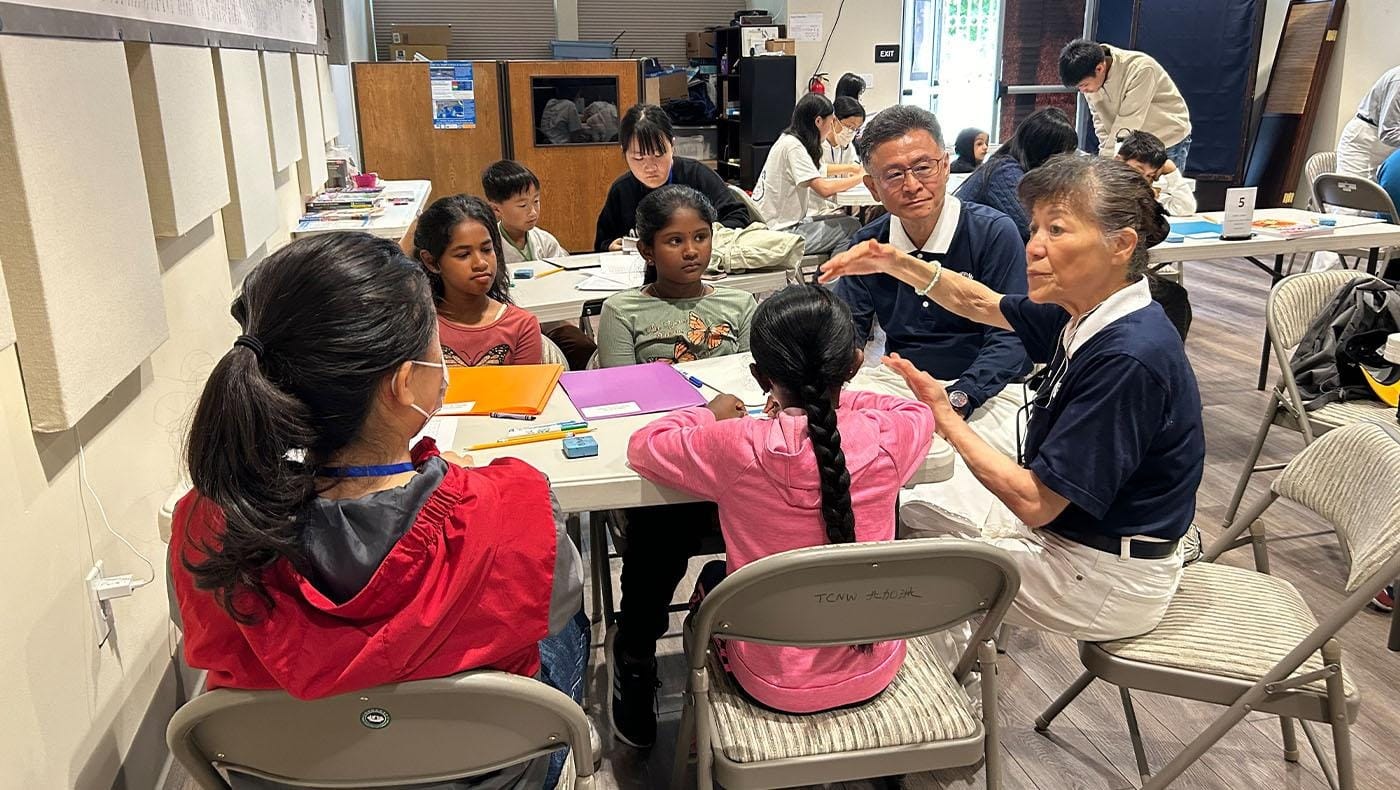
"Teacher, did I calculate this question wrong again?"
Before the words fully settled in the air, a high school volunteer knelt down with a warm smile, picked up a pen, and offered gentle encouragement. "You are just one step away," the tutor replied.
Around the classroom, some children focused on correcting their answers, while others slid their workbooks across the desk, asking their tutors for guidance. A few eagerly opened their backpacks, pulling out bamboo coin banks they had been saving for weeks. With a gentle shake, the coins inside chimed—a collection of small savings ready to be donated to help others.
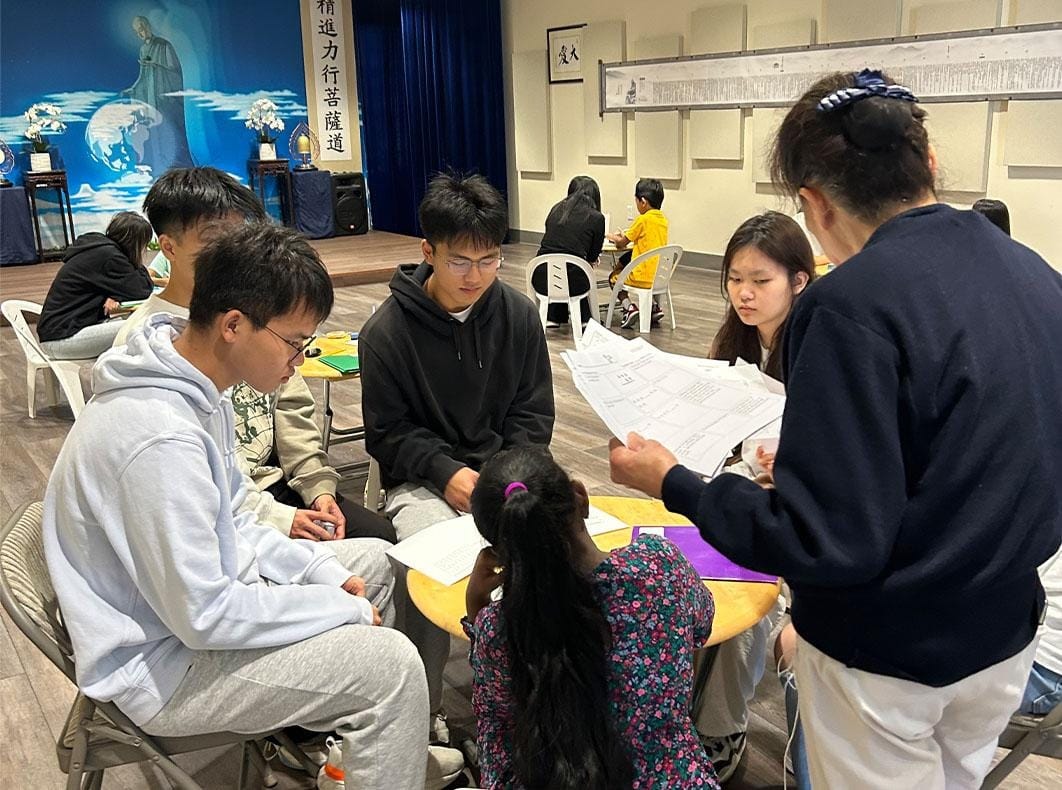
Such weekend scenes might seem ordinary, but in Oakland, California, they offer a rare sanctuary. In a city grappling with significant crime rates and high poverty, approximately one-third of adolescents have witnessed violence firsthand. Moreover, over 70 percent of students in the district come from low-income households, and math proficiency stands at roughly 25 percent. The academic gap is often shaped by a challenging environment—fears regarding neighborhood safety, limited familial support systems, and language barriers for non-native English speakers.
For children growing up in Oakland, having a stable, free, and supportive space after school is a critical resource. However, this classroom offers more than just academic assistance; it provides an environment where children can rediscover trust and build meaningful interpersonal connections.
Building foundational support
Educational involvement in Oakland has evolved significantly over the years. Early efforts focused on parent-child classes, offering a secure environment for younger kids to learn and play. As the children grew, the need for academic support became apparent.
In 2019, Tina Garcia (周清), a volunteer with over 30 years of teaching experience, initiated an after-school tutoring program for high school students. Initially designed for SAT preparation, the volunteers soon realized that many local high schoolers were missing foundational math concepts. The focus shifted from test preparation to building essential skills.
Following the disruptions of the COVID-19 pandemic, the curriculum underwent another transformation. By January 2024, the current math tutoring class for elementary students was established, transitioning the role of tutors to local high school students. Nancy Lin (林淑賢), the volunteer managing the program, explained that high school students from around Oakland were invited to serve as tutors because they relate well to younger children.
Jennifer Thai (蔡麗君), head of the Oakland office, noted the specific needs of the community. Because the area primarily consists of immigrant families, children often struggle with language and learning support. Volunteers decided that rather than waiting to provide remedial help later, it was better to start early, building both ability and confidence from the ground up.
While math remains the core subject, character education has been carefully woven into the curriculum.
Children don't just need to learn math; they also need to learn how to interact with others and how to face setbacks. Math can cultivate logic, but if a child lacks the right learning attitude or emotional stability, they will easily give up when they encounter difficulties. — Nancy Thai, Head of the Tzu Chi Oakland office
Academic tutoring is certainly important, but deeper support is actually more critical. Many children do not lack ability, but rather lack confidence, give up easily, or have no experience of being understood and encouraged. If we only supplement their academics, the effects are often short-term; but when children are supported and begin to believe in themselves, their learning naturally stabilizes. — Yu-Fen Talati (簡郁芬), Volunteer
Navigating environmental challenges
The neighborhood surrounding the facility reflects the broader challenges of the city. Yu-Fen Talati described a community struggling not only with economic limitations but also with safety concerns. At times, illicit activities are visible right on the street outside the center.
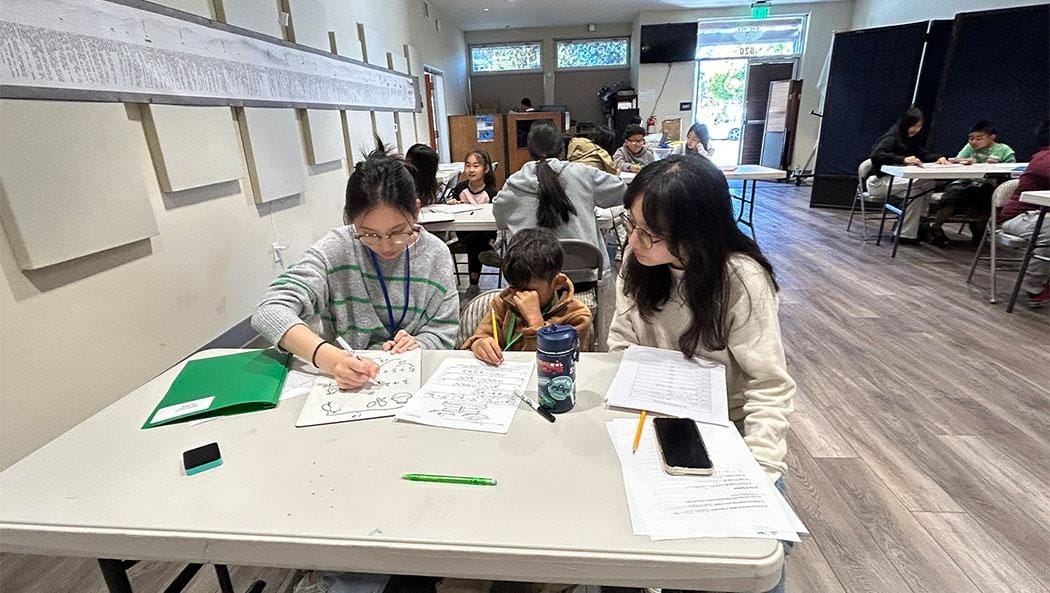
For children raised in Oakland, this environment is a familiar reality, but it can be shocking for high school tutors from outside the immediate area. Talati recalled instances where newly recruited tutors stopped attending after just a few sessions, likely influenced by the neighborhood's atmosphere. Furthermore, safety concerns prompt many parents to send their children straight home after school, limiting opportunities for extracurricular involvement.
In the classroom, these external pressures often manifest as restlessness. A chronic absenteeism rate exceeding 30 percent across the school district highlights the difficulty of keeping students engaged. Gaining parents' trust regarding the character-building portion of the curriculum also required patience. Initially, some parents questioned the necessity of anything other than math, prioritizing immediate grade improvements over abstract concepts.
Volunteers quickly recognized that directly translating traditional teaching materials would not resonate with the children. The cultural context and life experiences were simply too different.
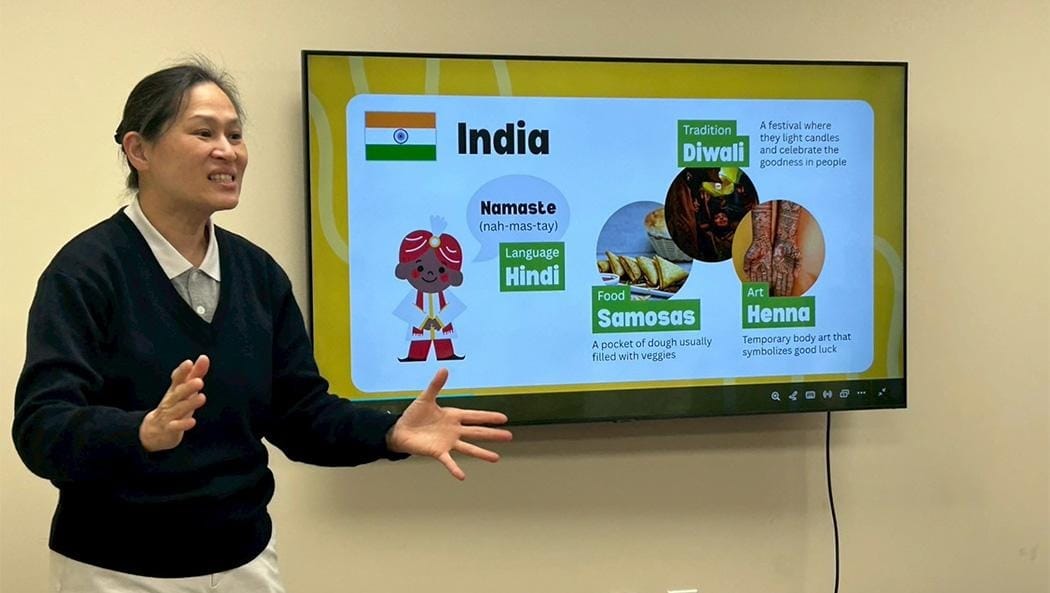
Instead of presenting the original materials exactly as they were, volunteers adapted the curriculum to fit the students' environment. Yu-Shan Hsu (許毓珊), who designs and leads the classes, works alongside her two daughters, who serve as both math and humanities tutors. Hsu frequently utilizes the "5W" method (Who, What, Where, When, Why) to break down abstract concepts.
To teach "contentment," Hsu introduces a lesson on managing an allowance, breaking it down into three actions: saving, spending, and sharing. She connects the concept of sharing to the bamboo coin bank tradition, inviting the children to contribute small amounts to help others.

Her younger daughter, Yu-Chun Li (李俞均), focuses on building emotional connections with the students. Over time, patient companionship fosters deep trust. Some students begin seeking out specific tutors, bringing them drawings, small cards, or cherished items to show their appreciation.
Leaving kindness behind
The impact of the program extends far beyond math worksheets. In the beginning, when snacks were distributed, children would often rush forward, lacking an understanding of waiting their turn. Volunteers chose not to issue harsh corrections, opting instead to model polite behavior repeatedly. Today, the children naturally queue up, receive items with both hands, and express their gratitude without prompting.
These subtle shifts are noticed at home, too. Tharshini Paramanantham, a parent originally from Sri Lanka, initially enrolled her children solely for academic support.
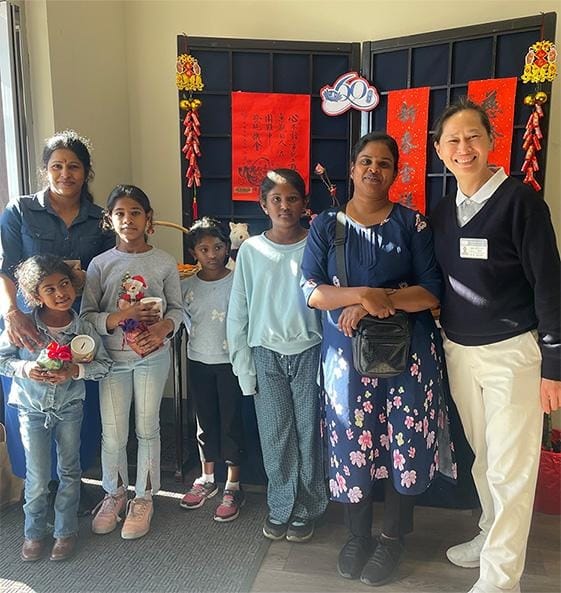
I never expected that they would look forward to going to class every Sunday. Moreover, they are much more confident now and have become more caring toward others. — Tharshini Paramanantham, Parent
Parents report that while math scores have improved, the most significant change is in the children's approach to learning. Rather than giving up at the first sign of difficulty, they now try multiple approaches and think critically about their next steps.
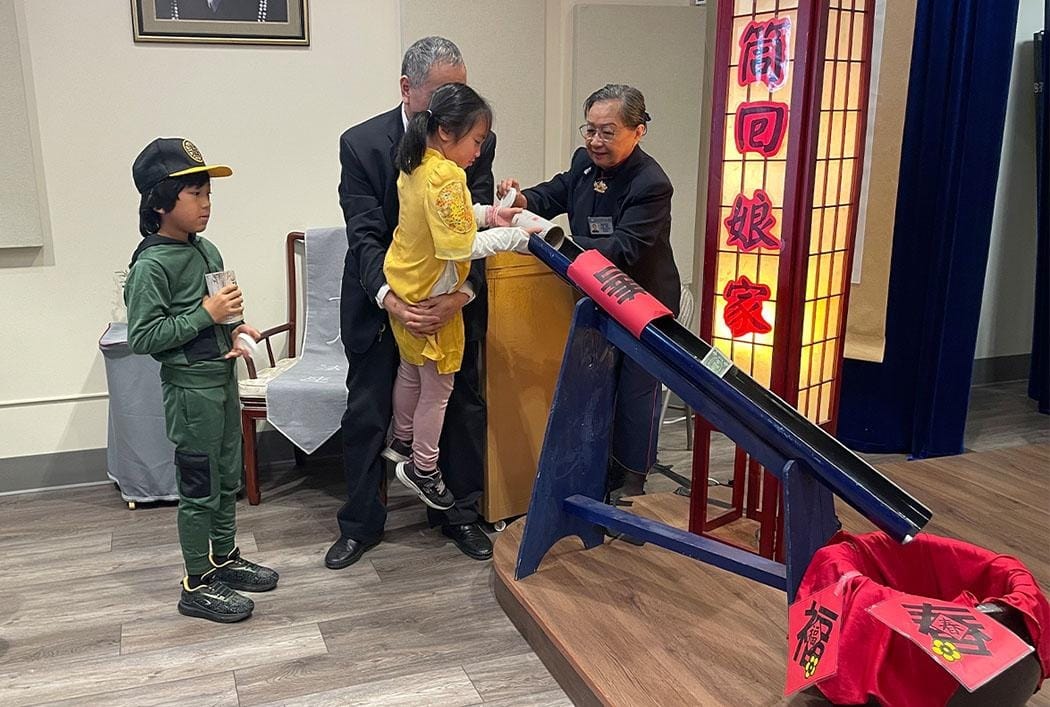
To the volunteers' surprise, the children embraced the concept of the bamboo bank with enthusiasm. At a student recognition event in January 2026, and again at a New Year blessing event in March, students returned their coin banks filled with savings. In April 2026, several students from the math class volunteered at a local nursing home. Wearing volunteer vests, they offered their time and stayed afterward to help organize the space for the following day's classes.
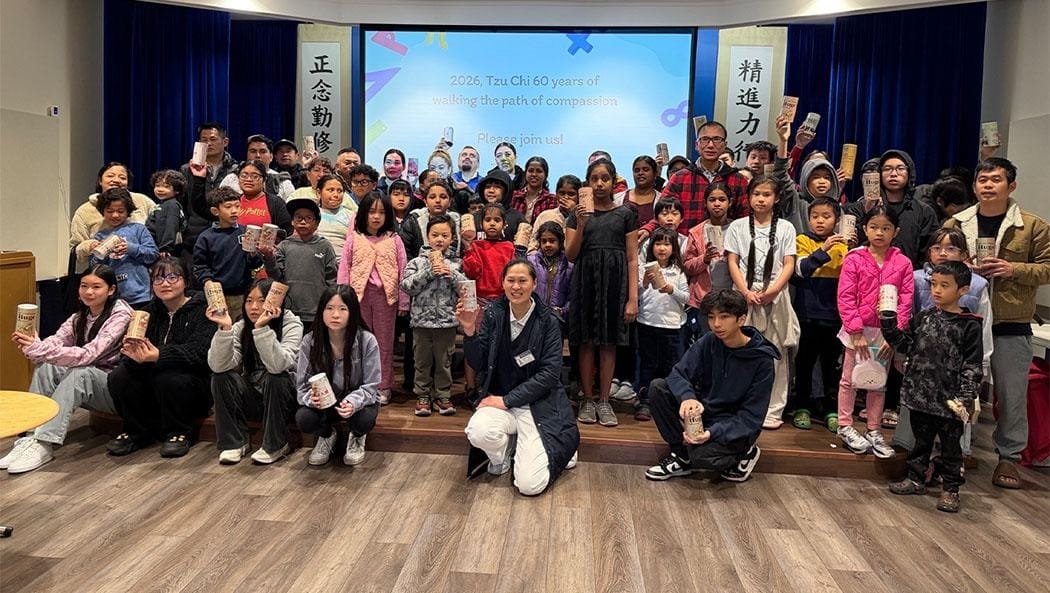
In a city where youths quickly learn to protect themselves, this classroom offers a different path. The students are learning perseverance, courtesy, care, and the value of giving.
We hope they won't just learn how to take tests, but will know how to persevere with higher education and the workplace. — Yu-Fen Talati, Volunteer
Written by Chia-Li Liu (劉嘉麗)
