


Following a magnitude 7.1 earthquake that struck Kumamoto Prefecture, Japan, on July 28, 2026, thousands of residents were forced to evacuate their homes. Centered near Hikawa Town at a depth of 16 kilometers, the powerful quake caused severe ground shaking, claiming 38 lives and injuring 13. More than 8,500 displaced residents sought refuge in 206 evacuation shelters across the prefecture. Among them are many elderly individuals who face difficult living conditions, sleeping on thin mats directly on gymnasium floors amid ongoing water shortages and sporadic power outages.
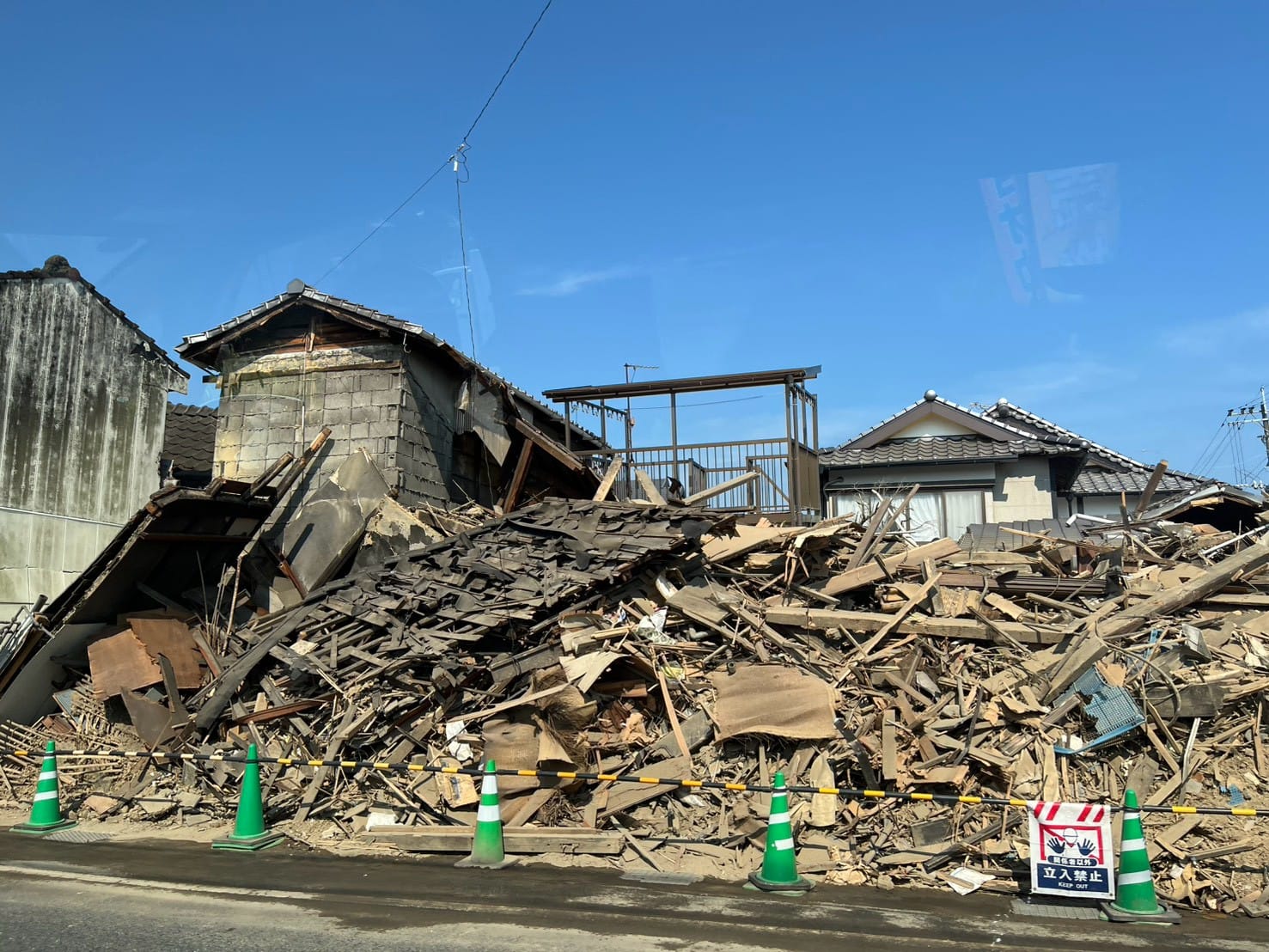
Addressing immediate needs in shelters
Upon learning from local reports in Yatsushiro City that elderly shelter residents were sleeping directly on hard floors, Tzu Chi immediately set out to provide targeted relief. To help elderly evacuees rest more comfortably and maintain their dignity, volunteers assembled at the Bade warehouse in Taoyuan, Taiwan, on the evening of July 31 to pack 148 Jing Si folding beds and 40 partition tents.
China Airlines provided free air cargo transport for the second batch of relief supplies, flying the equipment directly from Taoyuan to Fukuoka Airport on August 1. Tzu Chi volunteers in Japan received the shipment and initiated customs clearance to ensure the supplies could be quickly dispatched to local evacuation sites.
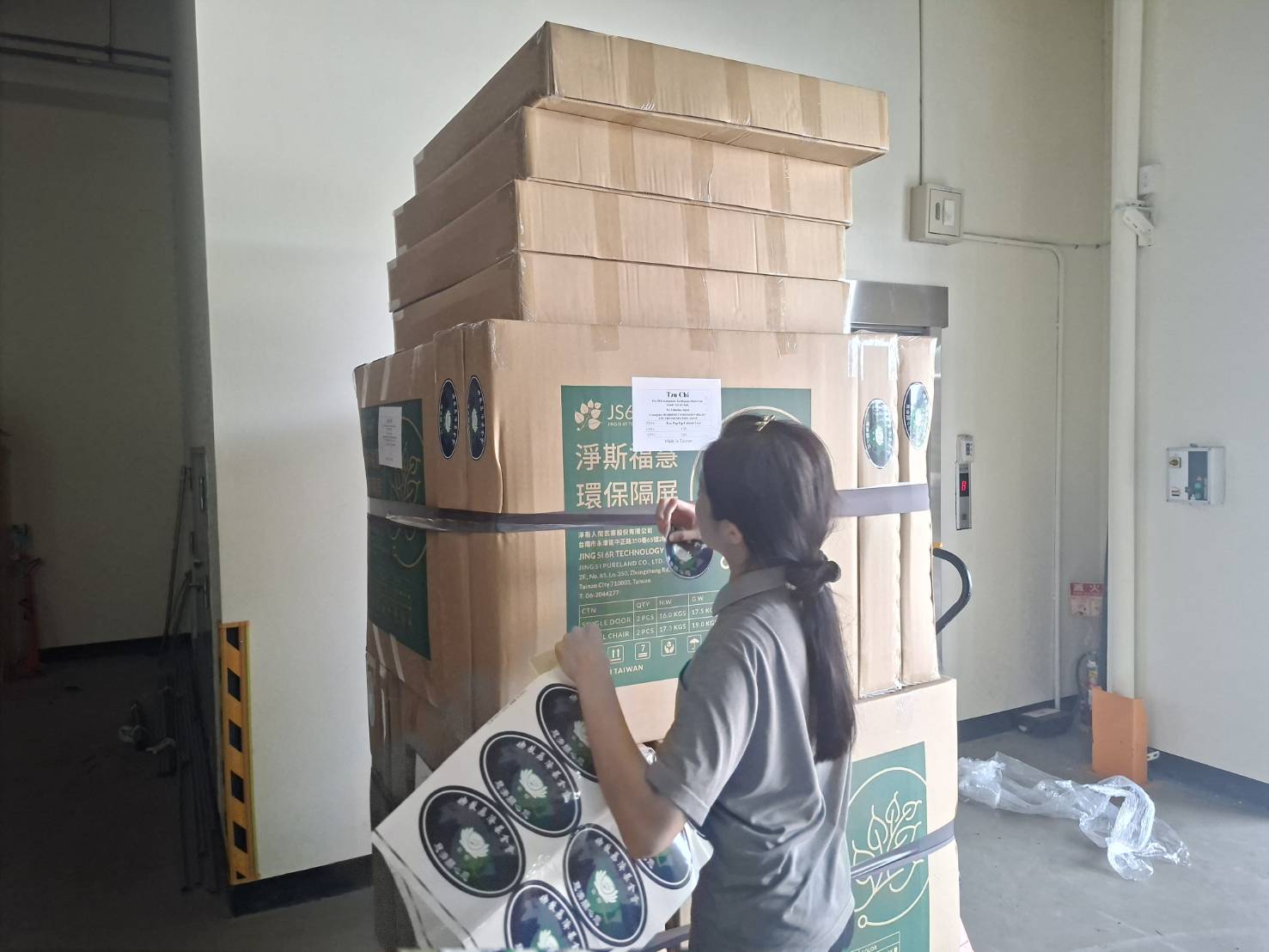

LEFT: Relief items including 148 folding beds and 40 partition tents are scheduled to arrive at Sencho Gymnasium in Yatsushiro City on August 3. RIGHT: With the support of China Airlines, Tzu Chi transported folding beds and partition tents to the disaster area, helping improve living conditions in evacuation shelters. | Photos: Tzu Chi Foundation
Evaluating shelter conditions on the ground
To assess evolving needs on the ground, a ten-member disaster assessment team composed of volunteers from Taiwan and Japan assembled at Fukuoka International Airport on August 2. The team brought along two portable water purification units to address potential drinking water shortages in affected areas.


The team brought two portable water purification units to help address potential drinking water shortages in the affected areas. | Photos: Tzu Chi Foundation
The team immediately held a coordination meeting to analyze local shelter conditions and organize field visits. Volunteer Chin-Fa Chen (陳金發) encouraged the assessment team to follow Master Cheng Yen's core guidance by going directly into the disaster areas to understand residents' actual needs firsthand. The team also established contact with municipal officials in Yatsushiro City to align relief efforts with urgent on-the-ground priorities.

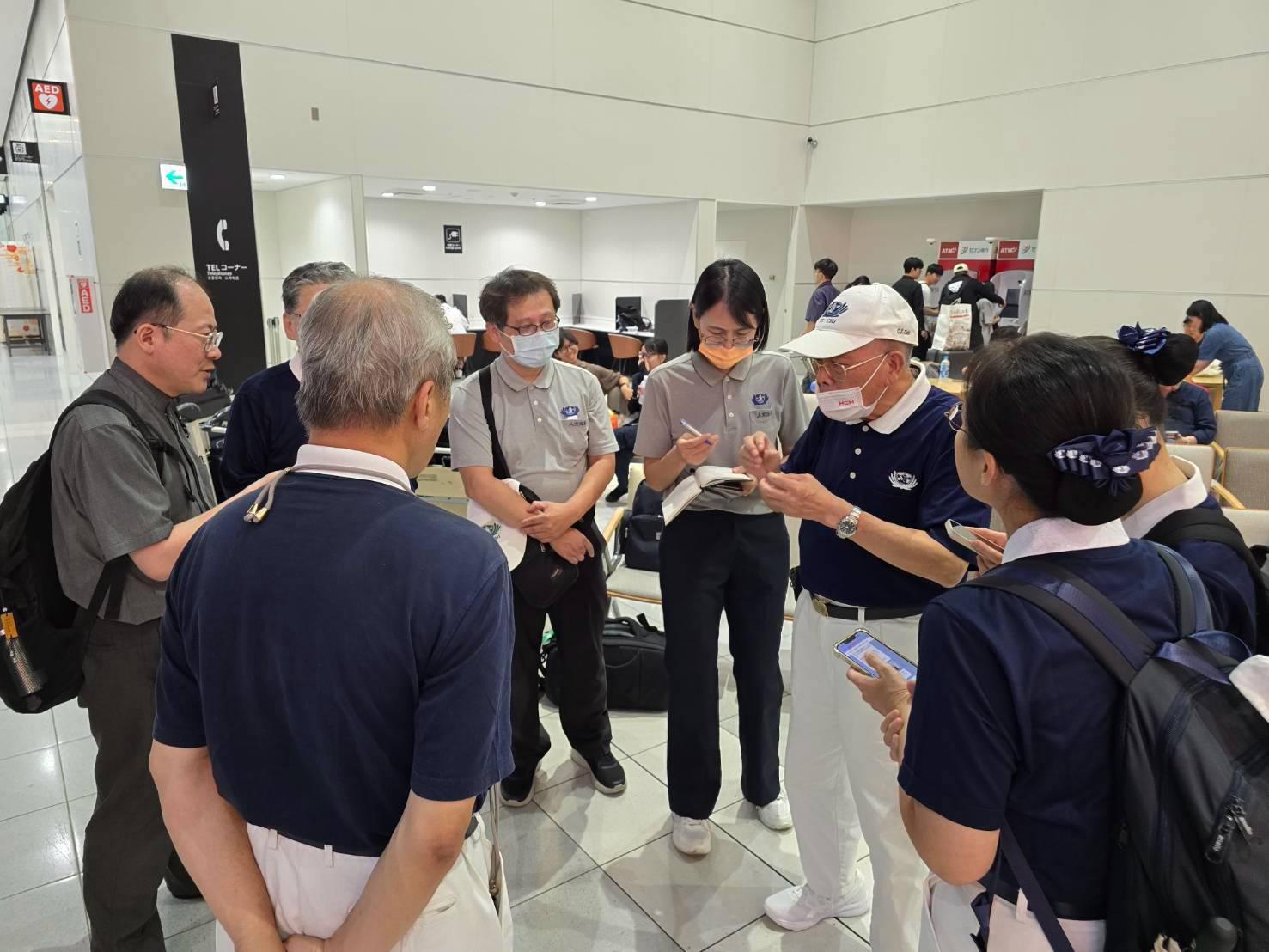
Taiwanese and Japanese assessment team members meet to discuss disaster updates, shelter status, and relief planning. | Photos: Tzu Chi Foundation
Delivering dignity and comfort
The relief supplies are scheduled to arrive at Sencho Gymnasium in Yatsushiro City (八代市千丁体育館) on August 3. Elevating beds off the ground helps protect elderly residents from cold drafts and floor dampness, while partition tents provide essential personal space in crowded public facilities.
Volunteers from Japan offices are working alongside the assessment team to monitor shelter needs across Kumamoto Prefecture. By combining direct evaluation with practical supply delivery, relief efforts focus on supporting vulnerable residents through the initial stages of displacement.
Through coordinated action between international assessment teams and local volunteer networks, relief efforts aim to bring practical assistance and comfort to displaced residents as Kumamoto begins its recovery.
