


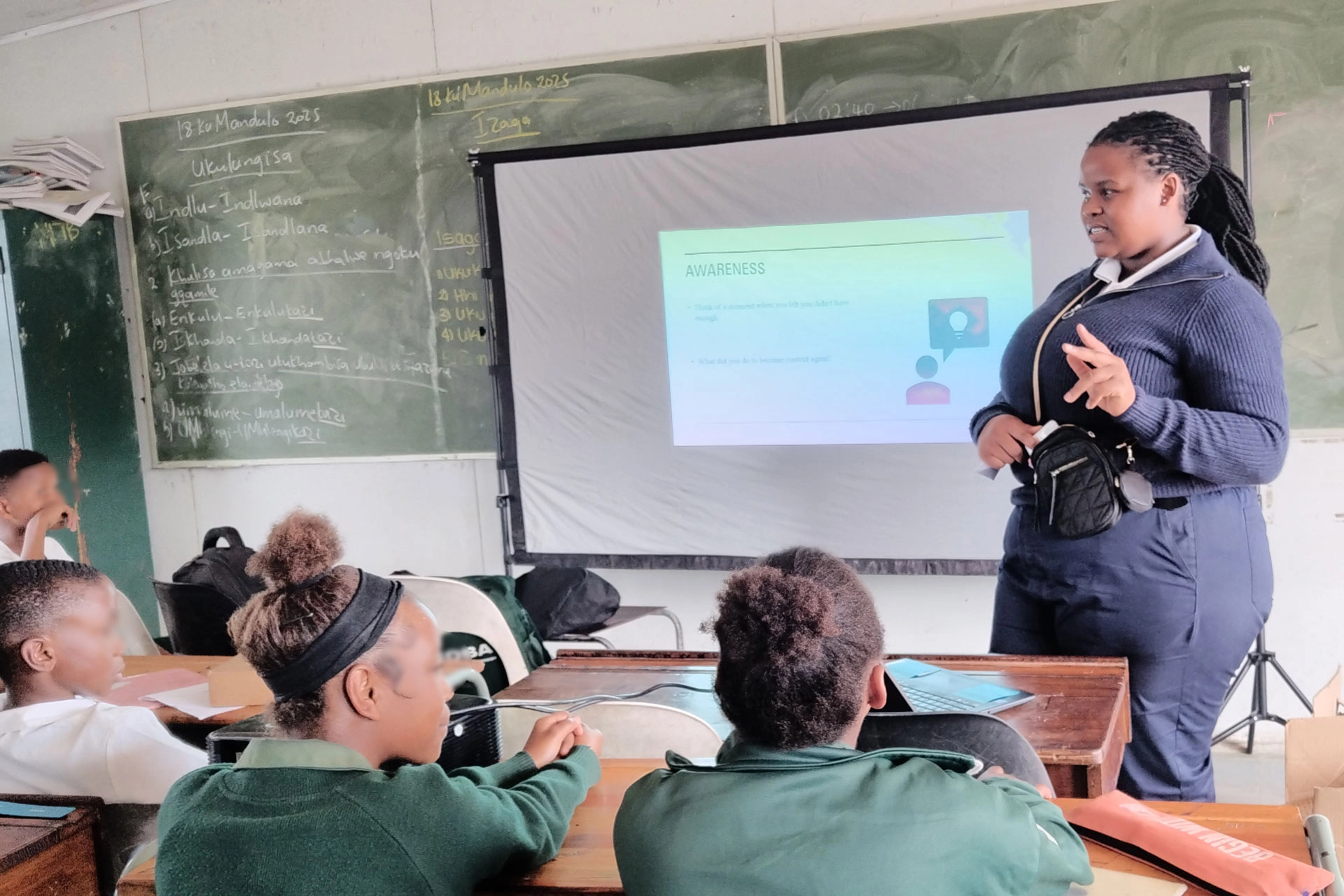
Before Character Education began, Mariannridge Primary School in Durban, South Africa, carried a heavy history of unspoken emotional wounds.
Among the most challenging were the Grade 5 classes 6D and 6E. They were widely regarded as undisciplined and disruptive, with bullying deeply rooted in daily school life. Respect among students was almost nonexistent. The only “respect” shown was toward a few teachers they feared, as those teachers often had to rely on punishment to keep order.
The school environment reflected the struggles of the surrounding community: poverty, gangs, broken families, alcohol abuse, emotional neglect, and violence. Many children were simply trying to survive, carrying far more emotional weight than they could reasonably bear.
Within this setting, the journey of Character Education began, bringing with it a fragile but real sense of hope and strength.
Seeds of character take root
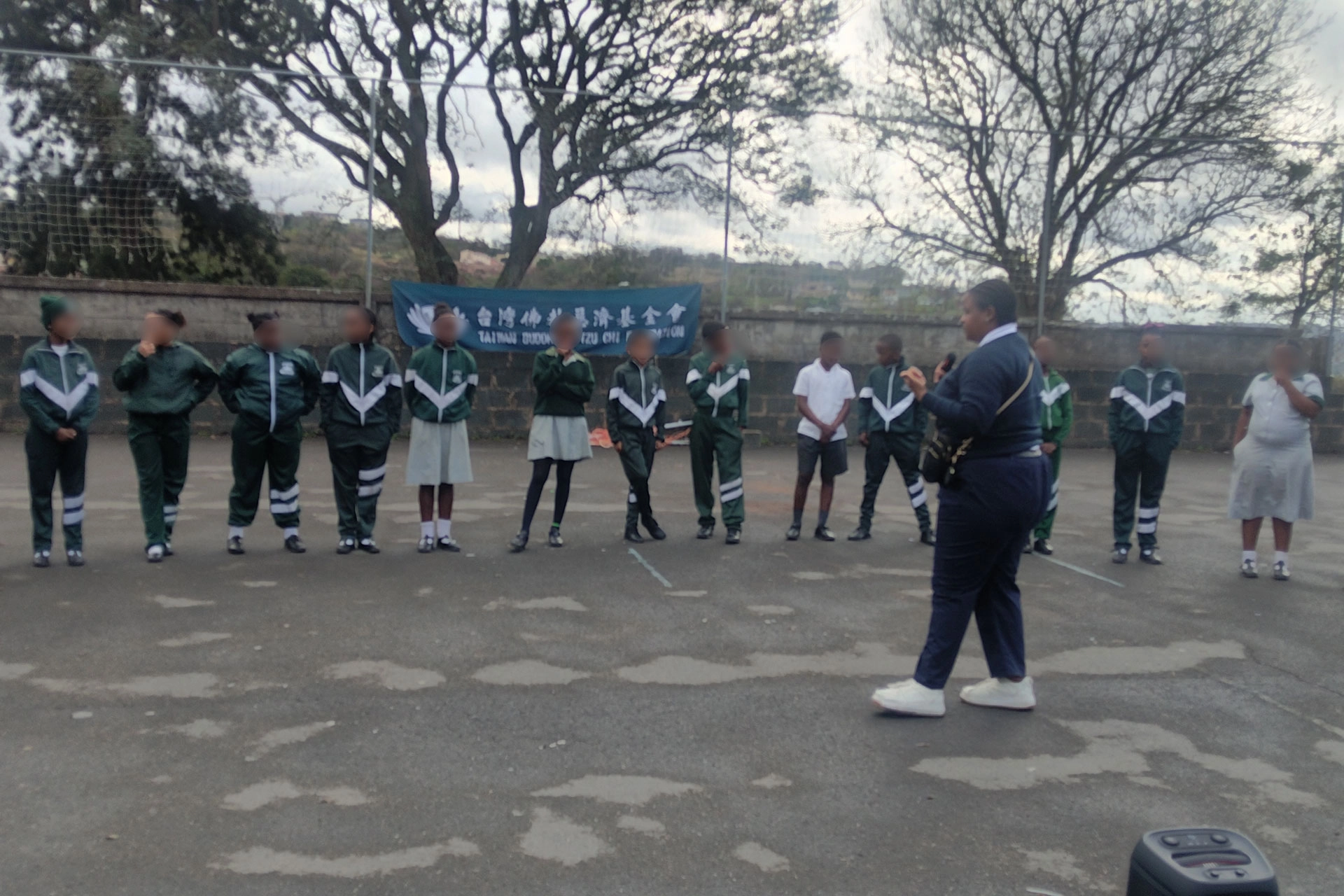
In July 2025, the Tzu Chi Durban education team launched a Character Education (CE) program at Mariannridge.
Through eleven themes, students were encouraged to explore compassion, respect, helpfulness, and care for nature. Gradually, a more lasting form of respect began to take root in their hearts.
Children who used to shout over one another started to listen more. Some learned to show concern for classmates and to interact in kinder, less aggressive ways. Teachers noticed classrooms becoming more harmonious and focused.
Even when they heard just one or two students reminding others to “watch your behavior” or “respect each other,” teachers felt it was already a meaningful achievement. They knew change would take time, yet even if only a few students were influenced each term, that progress still carried deep significance.
The program’s impact also reached into students’ homes. During reflection sessions, children sometimes opened up about their personal lives—stories that were painful, but also full of quiet resilience.
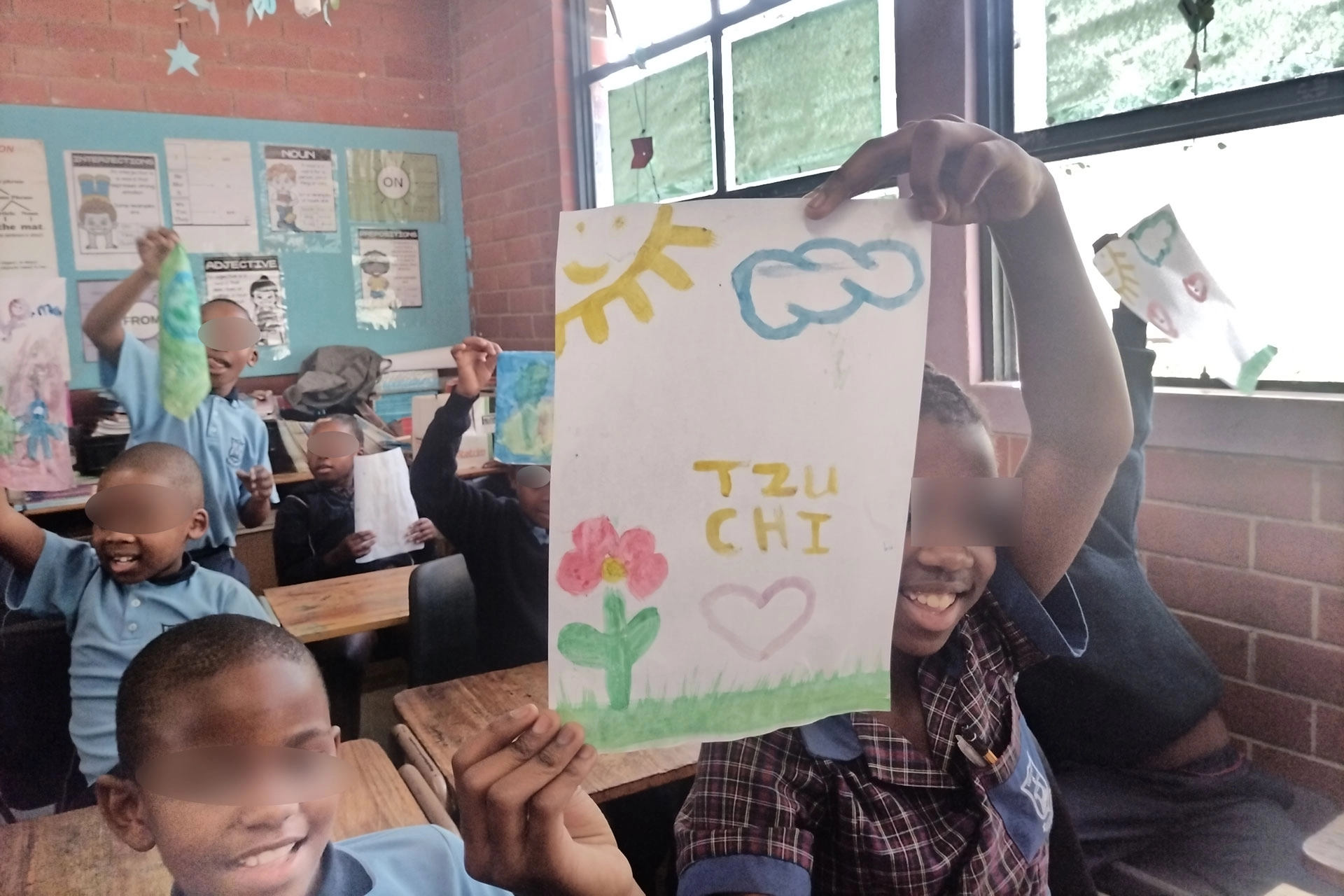
When the team invited students to write thank-you cards to their parents, the children were excited. They rarely had chances to express love at home. Many said the cards gave them a new way to talk to their parents, and these seemingly small gestures became important and healing moments.
“Bamboo Bank Era” and learning to give
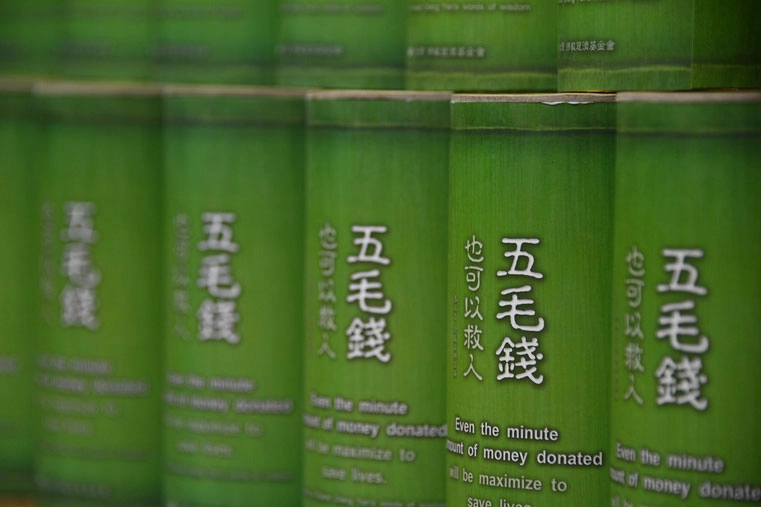
The team later introduced the “Bamboo Bank Era,” a simple practice of saving small amounts daily to help others—in this case, survivors in Myanmar.
Despite their own financial challenges, many students eagerly took part. Grade 6C went further, asking to organize a clothing donation project for classmates worse off than themselves. These children lived with hardship, yet they still wanted to help others with sincerity.
That clothing project did not receive formal approval from the education department, but the fact that students initiated it showed that seeds of love had already begun to sprout.
The Bamboo Bank plan did face real difficulties. Of the five bamboo banks placed at the school, only one was returned. Most of the others were stolen or damaged; some students put money in and later took it back out. A few teachers were unclear about the concept, and supervision was not always strong, which made implementation harder.
After the team explained the deeper meaning of the Bamboo Bank—cultivating constant, steady goodness—some students who had carefully kept their banks became even more proactive.
One Grade 6 girl believed that donating ten cents a day would bring her blessings. She faithfully put in her coins every day. On weekends, she saved the money at home and cheerfully brought it back on Monday to drop into the bank.
Her sincerity showed that each child’s path of change is unique. Even a single, genuine act of kindness can brighten another person’s day—and quietly transform the child as well.
Jing Si Aphorisms bring color to the campus
To further support the school, forty teachers joined a character education certification training. The team also distributed sixty-two copies of Jing Si Aphorisms—short, practical sayings of wisdom—to teachers, administrators, and support staff.
At first, some educators doubted whether such a program could work in a school facing as many challenges as Mariannridge. Over time, as they observed students more closely, many began to see clear improvements. They noticed that students were:
- Calmer in managing their emotions
- Friendlier and more considerate
- Building better relationships with peers
Teachers started to support the lessons more actively, echoing the key themes in their own classrooms and reinforcing them throughout the week.
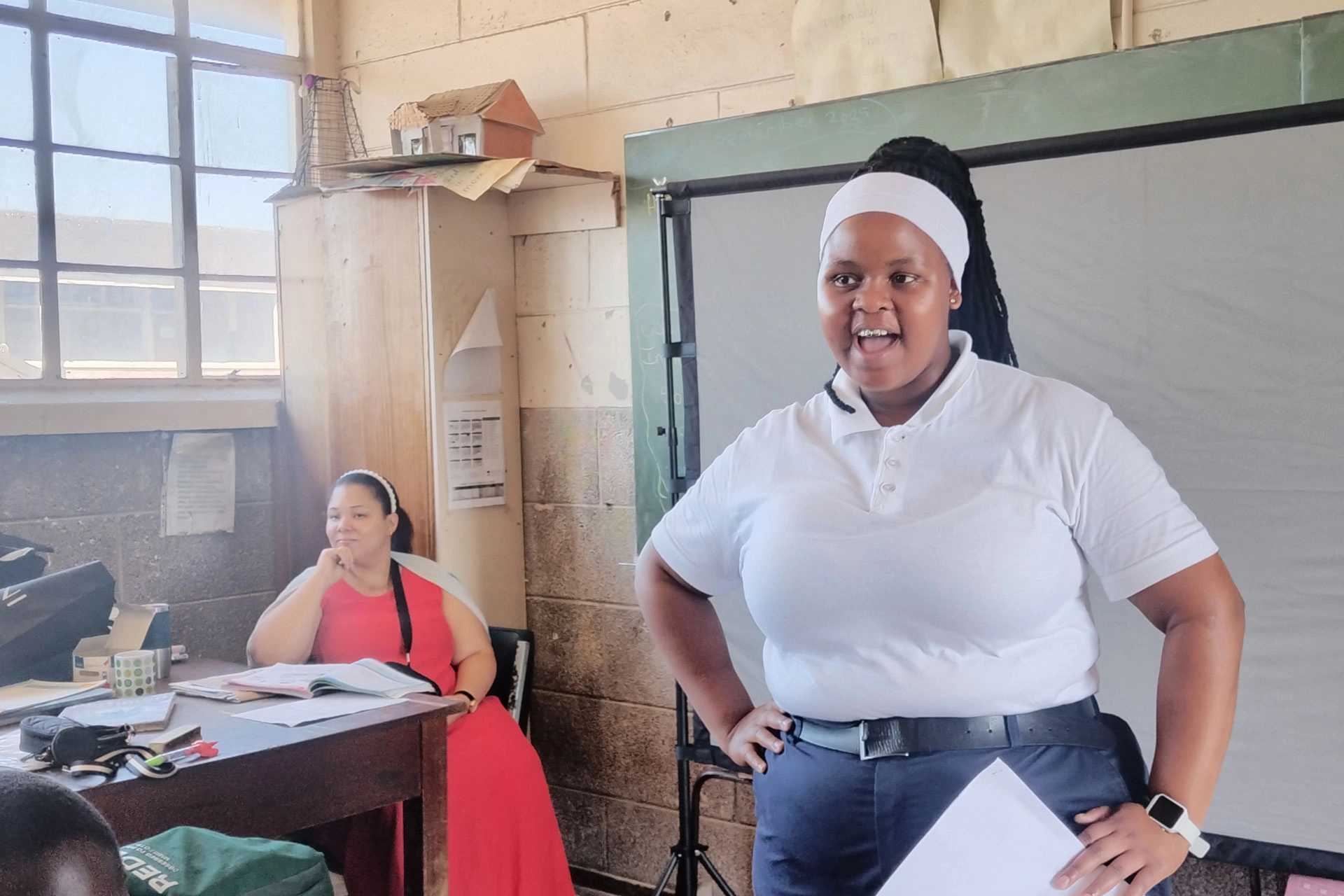
The students also received one hundred and eighty copies of Children’s Jing Si Aphorisms. They immediately opened the books with curiosity, reading and sharing what they found with one another.
Now, whenever they see the education team arrive on campus in uniform, students often start singing character education songs. They remember the lesson themes well, and they are eager to share stories of their own behavior changes or to show what they’ve been practicing.
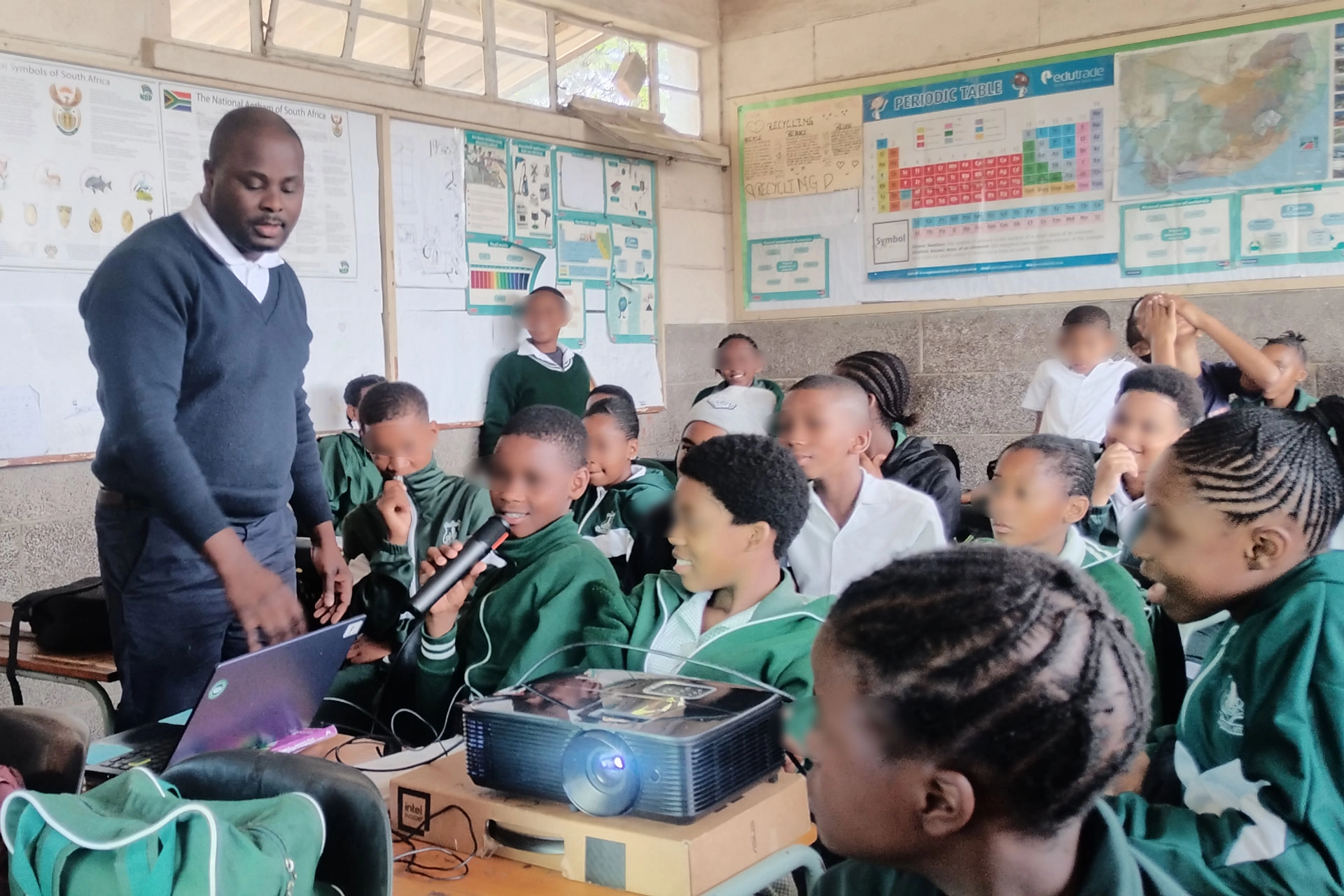
Through these books and activities, Character Education has brought something new into the school: color, warmth, and a gentle network of kindness that connects people.
Step by step toward lasting change
Despite these positive signs, the team is fully aware that the journey is long. Many students are still trying to cope with difficult home lives, intense community pressure, and unresolved emotional pain. Problems such as poor discipline, bullying, and emotional outbursts have not disappeared. Real transformation in behavior requires time, persistence, and continuous reinforcement—and right now, the school is only at the early stages of that process.
Yet the seeds have been sown: compassion, mindfulness, and respect are now present in a place where they were once scarce. If these values continue to be patiently nurtured over the coming years, Mariannridge could experience a deep transformation—one in which:
- Mindfulness shapes how teachers and students respond to conflict
- Compassion becomes a natural part of daily school life
- The whole environment is marked by dignity, safety, and hope
Written by Wendy Gumede
