


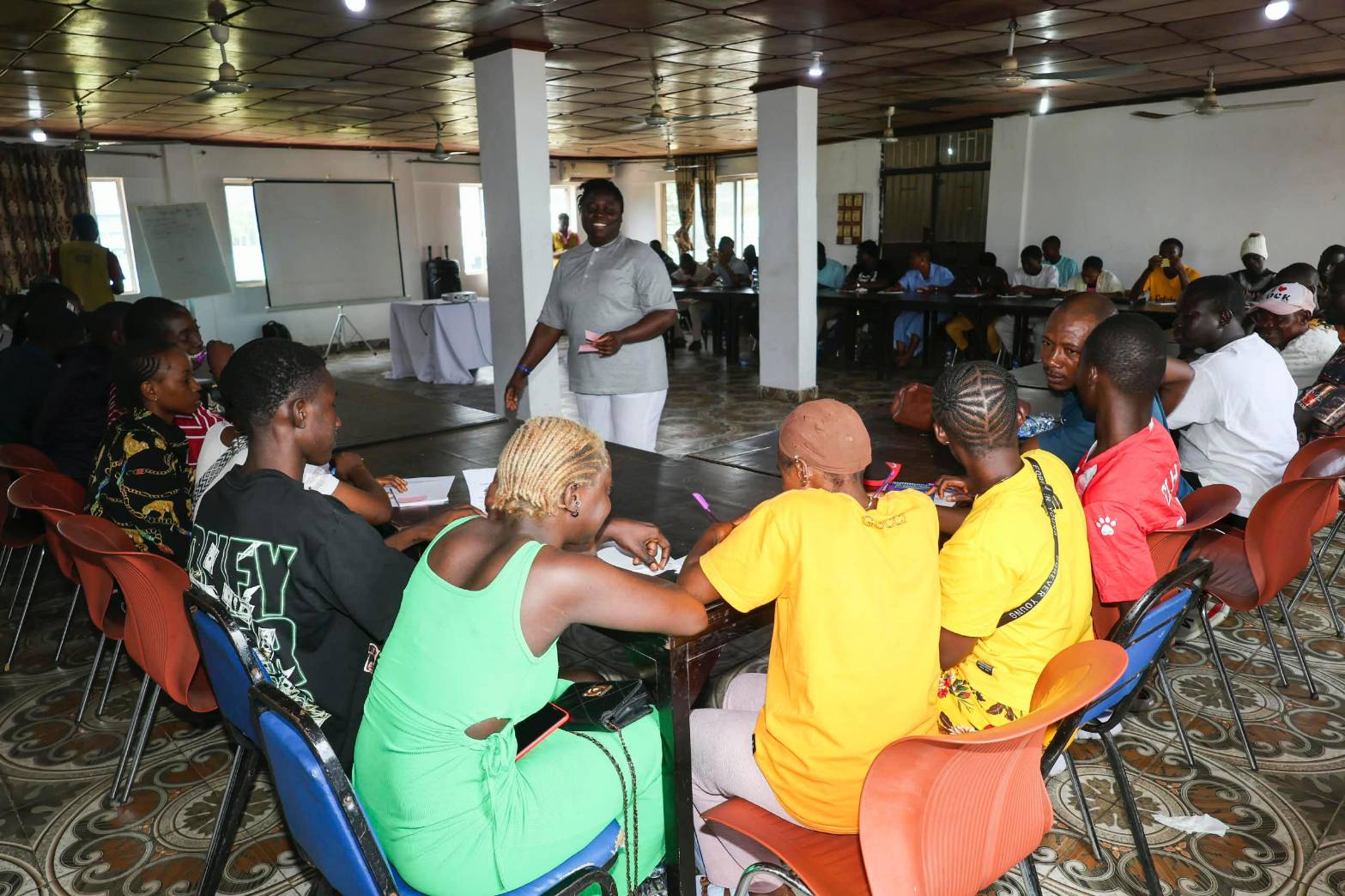
Sixty Community Disaster Management Committee (CDMC) members from the vulnerable communities of Moa Wharf and Bottom Oku gathered at the St. John Paul II Pastoral Center on Skye Street on August 27, 2026, for an intensive one-day disaster preparedness training. Organized by the Tzu Chi Foundation, the workshop focused on equipping frontline community representatives with essential emergency response skills, mitigation strategies, and practical risk-reduction measures to protect their neighborhoods from recurring fire and flood disasters.
Empowering grassroots leadership and collaboration
Sabina Thompson, Outreach Officer for the Tzu Chi Foundation, opened the session by highlighting the vital role participants play as knowledge multipliers. She emphasized that disaster preparedness requires communities to take proactive steps well before emergencies occur, urging attendees to share the technical skills and safety concepts learned during the workshop with neighbors who could not attend.
Margaret Bassie, Tzu Chi Representative for Sierra Leone, provided an overview of the Foundation's ongoing humanitarian and development initiatives across the country. These projects include regular drainage cleaning, Water, Sanitation, and Hygiene (WASH) facilities, biodigester installations, agricultural support, women's empowerment through tailoring training, and distributions of rice and multigrain packages to vulnerable groups. Bassie encouraged participants to work with unity when managing local disaster risks, expressing gratitude to the committee members for dedicating their time to safeguard their communities.
Mastering fire safety and rescue principles
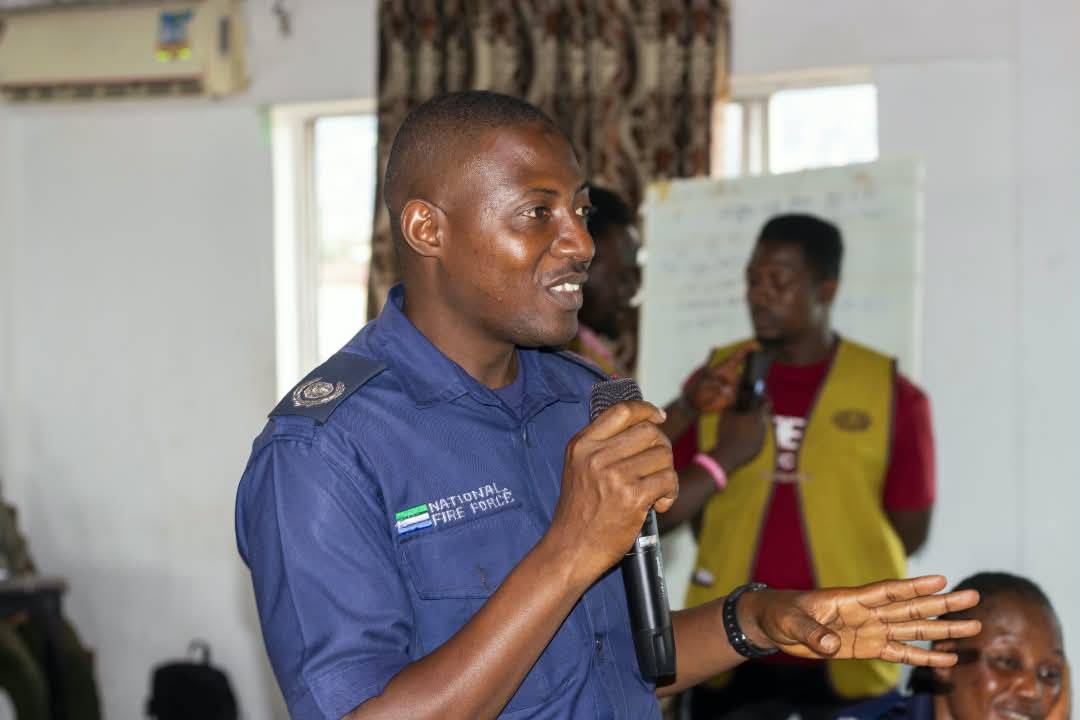
The technical instruction on fire prevention was led by Dr. Bai Kamara of the National Fire Force. Kamara explained the fundamental science of fire as a chemical reaction producing heat and light, outlining the differences between controllable fires and uncontrolled blazes. He noted that while fire serves daily household and industrial needs—such as cooking, electricity, and motor vehicles—it quickly becomes life-threatening when improperly managed.
Kamara detailed key operational responsibilities of the National Fire Force, which extend beyond firefighting to public safety education, prevention, and specialized rescue operations during road accidents and major emergencies. To prevent residential fire outbreaks, he instructed participants to implement critical safety measures:
- Avoid overloading electrical meters and household circuits.
- Conduct regular inspections and maintenance of electrical wiring.
- Store petrol and other flammable liquids in safe, secure containers.
- Continuously educate family and community members on basic fire safety.
Osman Sesay, a participant from the Bottom Oku community, shared that the fire safety guidance provided immediate practical value. He noted the importance of selecting proper electrical wiring materials for homes and maintaining strict standards for storing fuel to prevent household fires.
Addressing flood risks through comprehensive mitigation
The workshop also addressed flood disaster management, defining flooding as water overflowing beyond its natural boundaries. Kamara explained the distinct mechanisms behind urban flooding—driven primarily by inadequate drainage and infrastructure constraints—and coastal flooding, which threatens low-lying shoreline settlements.
To address these hazards, the training covered both structural and non-structural mitigation strategies:
- Structural Measures: Constructing, expanding, and regularly clearing drainage systems, alongside strictly avoiding construction on natural waterways.
- Non-Structural Measures: Implementing land-use planning, enforcing safety regulations, establishing early warning preparedness, and promoting community-based disaster risk reduction.
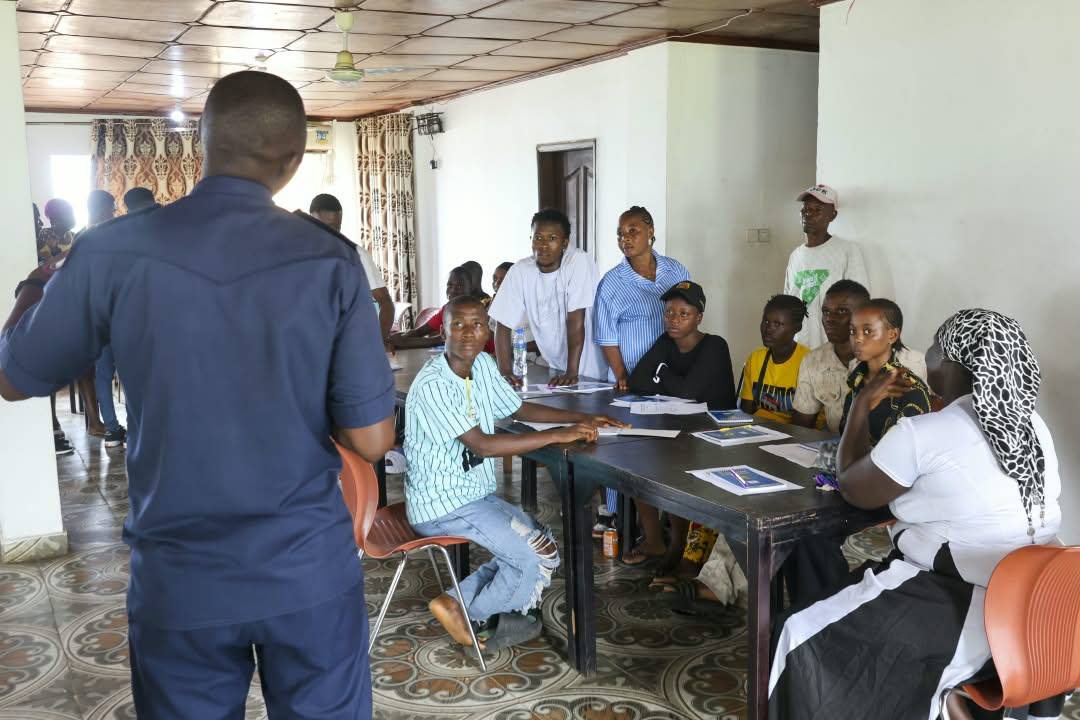
At the close of the event, attendees expressed appreciation to the facilitators and the Tzu Chi Foundation for providing practical skills to build local resilience and improve community safety across Sierra Leone.
By translating technical instruction into grassroots action, the initiative strengthens local self-reliance in the face of seasonal hazards. Through continued partnership between local disaster committees and humanitarian organizations, vulnerable neighborhoods across Sierra Leone continue to build safer, more resilient environments.
Written by Margaret Bassie
