


In the early hours before dawn, a new day begins quietly in the corridors of a hospital in Hualien. Years ago, Su-Hua Tseng (曾素華) stepped into this environment as a substitute medical volunteer, expecting only to fill a temporary gap. That brief commitment soon turned into a six-year journey that took her through the emergency room, intensive care units, and eventually the palliative care ward, transforming the way she understands human connection and mortality.
Bridging the distance
Tseng's initial foray into volunteering was supported by her mother, who encouraged her daughters to engage with the community following their father's hospitalization and passing. The two sisters often volunteered together, becoming familiar figures in Yilan.
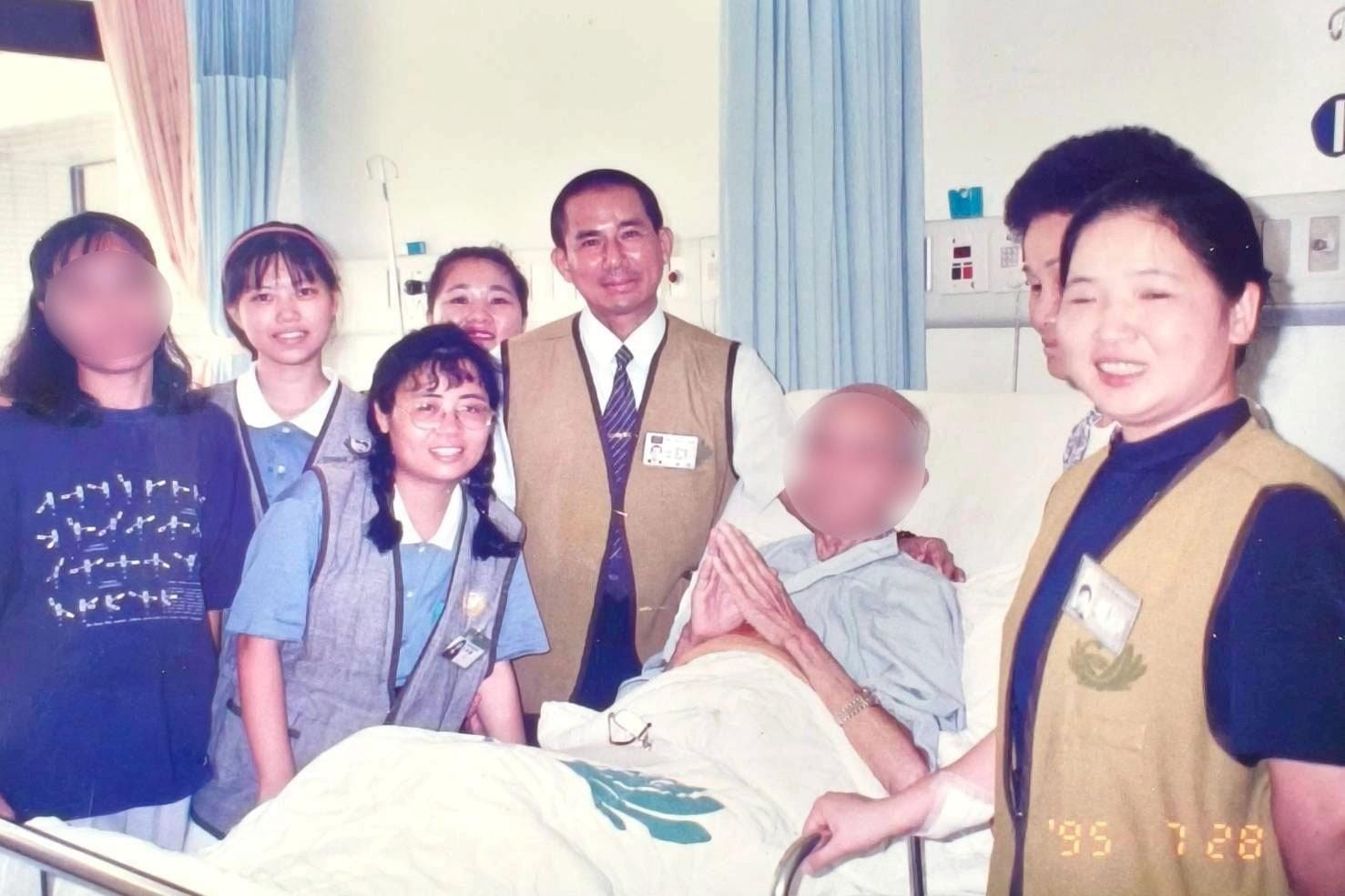
When a scheduled volunteer could not make it to Hualien, Tseng agreed to fill the three-day shift. Seeing the gaps between shifts, she simply stayed to help out. When asked why she had not gone home, she explained she had no pressing family obligations and could remain.
At first, navigating the hospital wards was challenging. Medical staff were busy, and volunteers often stood on the sidelines, unsure of how to assist. Tseng decided to focus on organizing case files and patient evaluation records, meticulously documenting follow-up care alongside Hui-Mei Yen (顏惠美), a seasoned resident hospital volunteer. Over time, her presence became a reliable source of support in the fast-paced emergency and intensive care units.
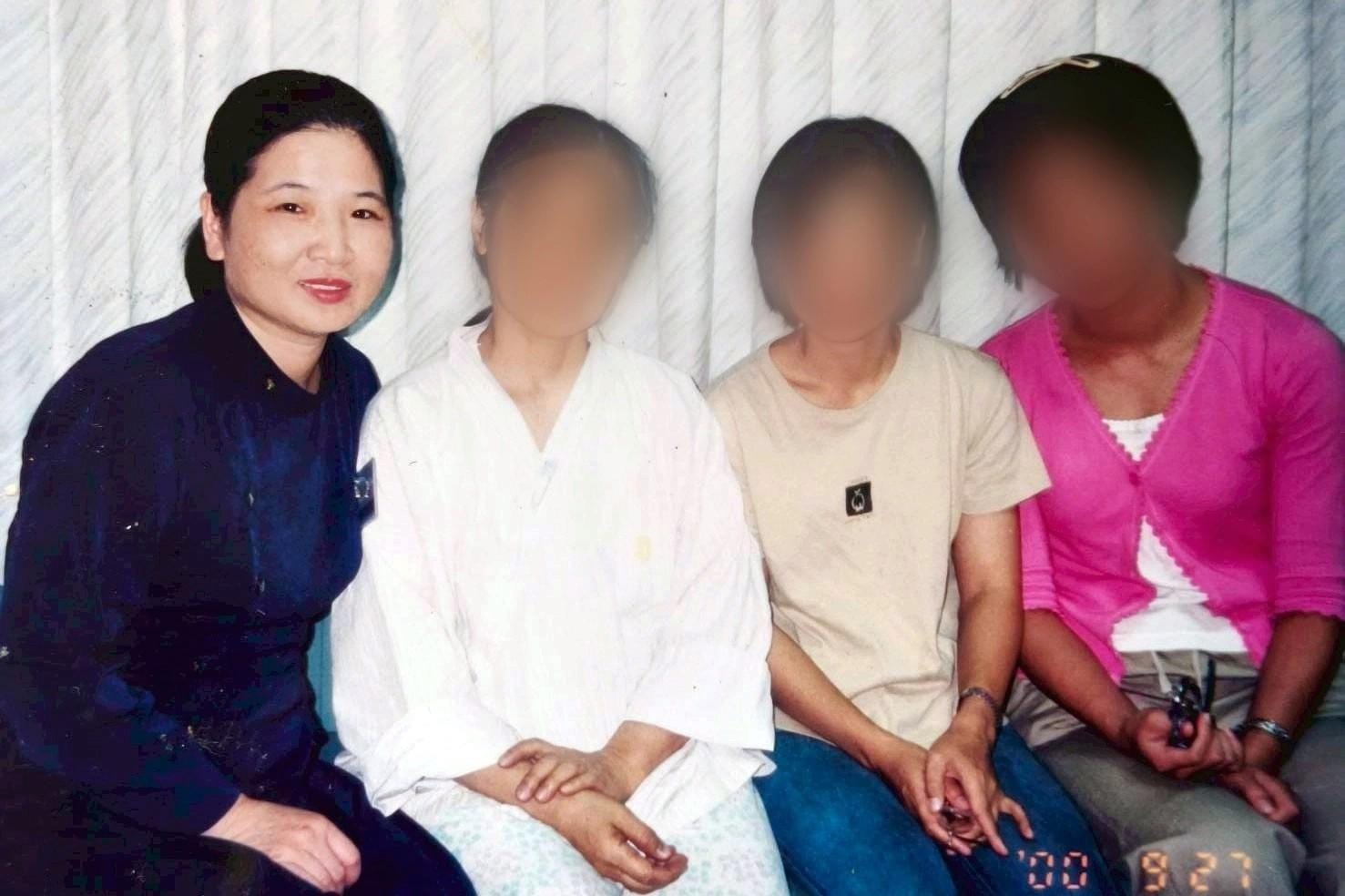
She quickly learned that effective companionship required speaking the patients' language. Hualien is home to many Indigenous communities. To connect across cultural backgrounds, Tseng and her peers learned to sing "Hallelujah" and perform traditional dances. With a non-verbal patient known locally as the "Elephant Grandma" in the mountains of Fengbin Township, simple hand gestures and dancing brought immediate smiles.
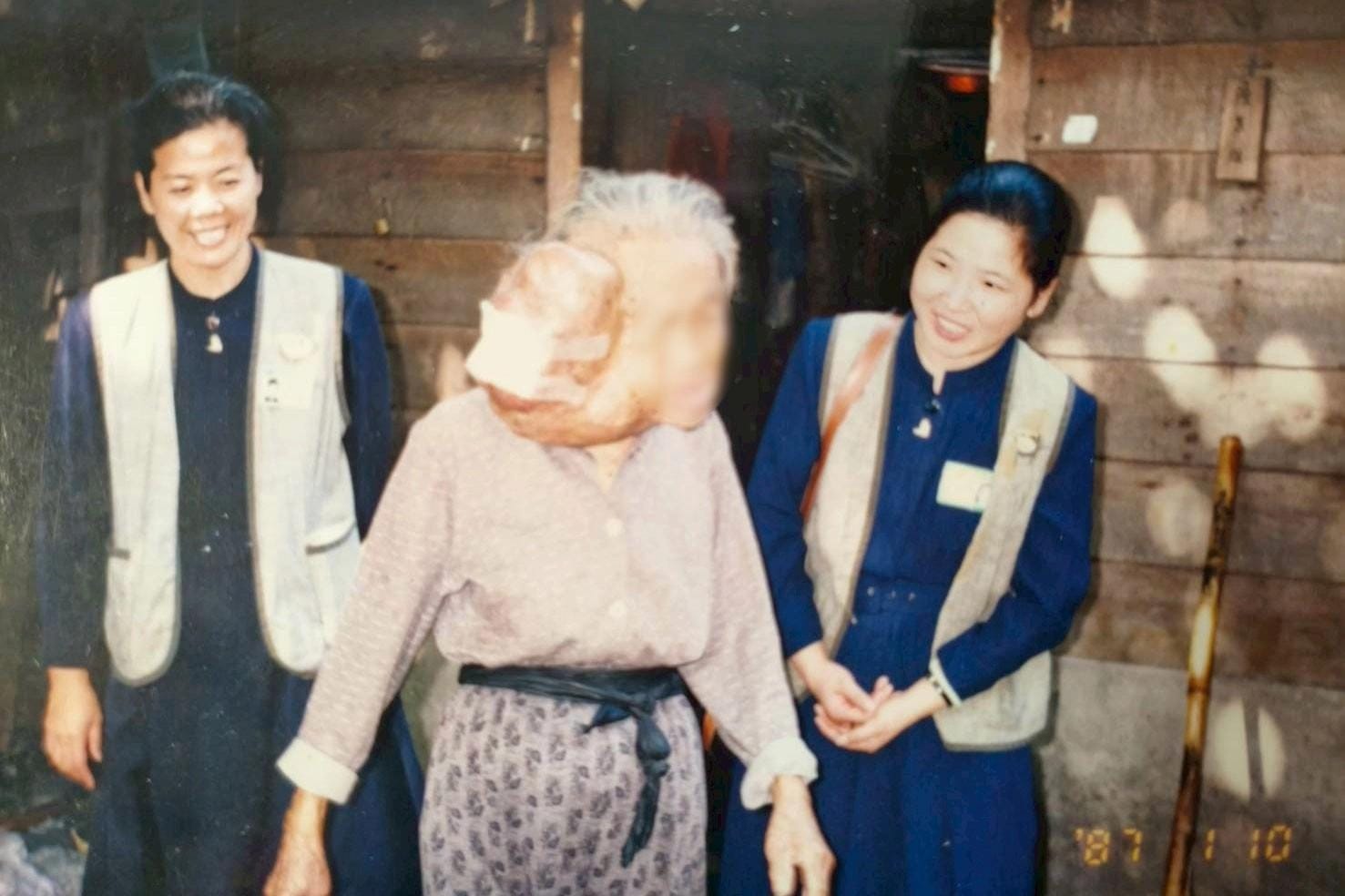
For children in the pediatric wards, she learned to make animal puppets using her fingers to elicit laughter. Whether she was visiting an isolated elderly woman living with stray dogs or providing supplies in remote areas, the goal was simple: to let vulnerable individuals know they were seen and not forgotten.
Comfort in the final days
In 1996, Tseng joined the newly established Heart Lotus Palliative Care Ward, working alongside medical staff to provide holistic care for terminally ill patients.
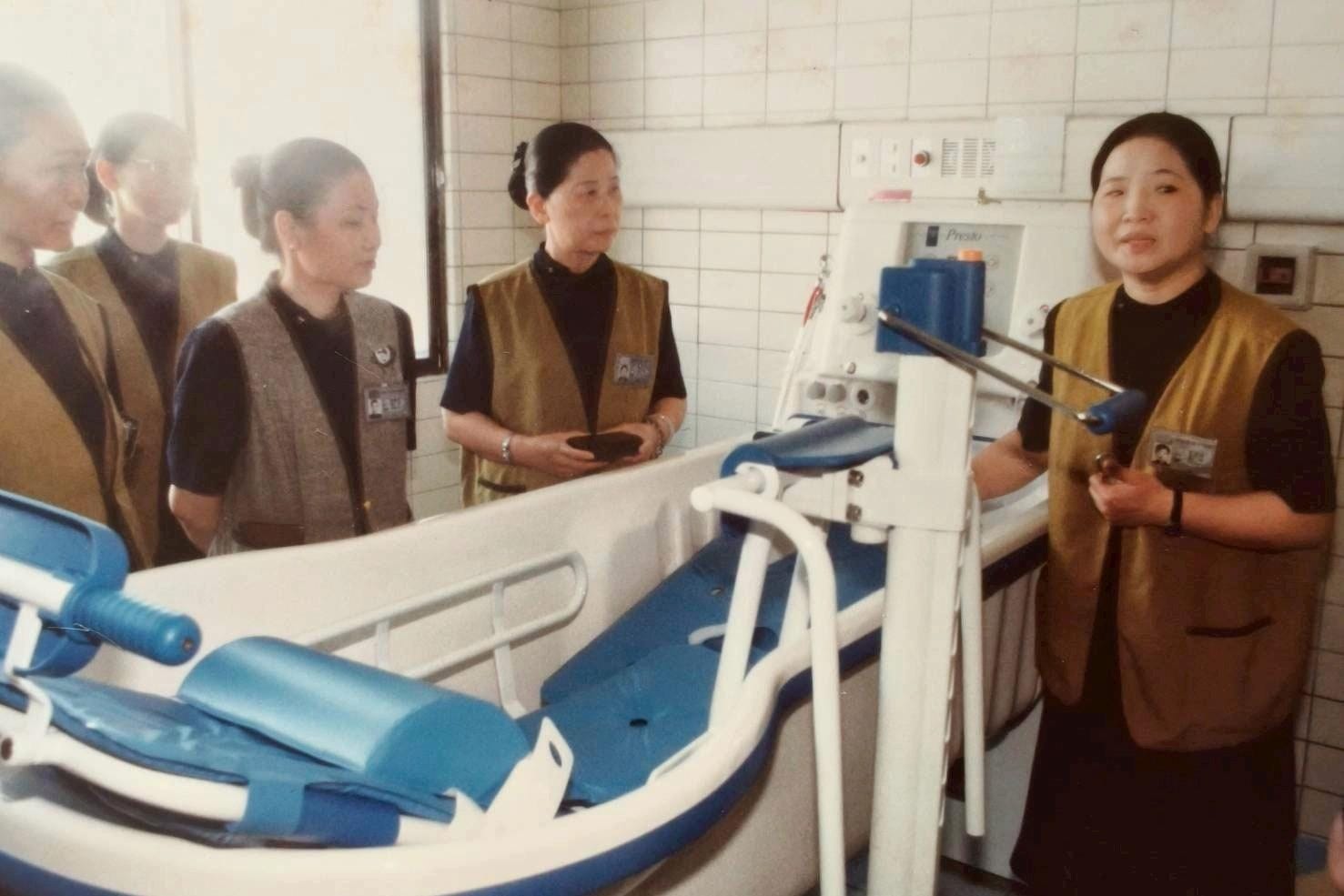
Here, patients faced intense physical and emotional struggles. Sometimes, Tseng just sat quietly while nursing aides bathed patients, waiting for the right moment to offer a few gentle words.
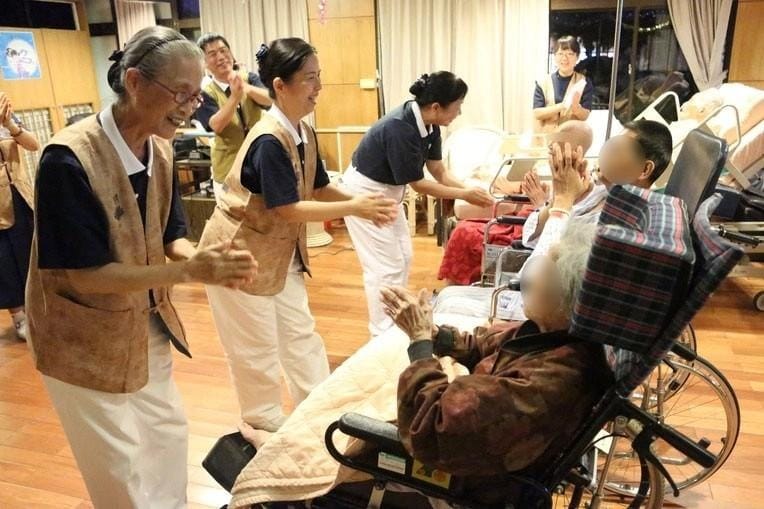
She learned to respond with honesty rather than empty reassurance. When a patient named Mr. Yu repeatedly expressed fear that he was going to die, she replied that she would pass away one day too. Acknowledging their shared mortality helped ease his anxiety by removing the distance between the healthy and the sick. Ying-Wei Wang (王英偉), the director of the ward, often encouraged her to spend time near the nursing station at night, knowing that patients who could not sleep frequently needed someone to talk to in the quiet hours.
One night, an 80-year-old patient sat silently outside the nursing station. Tseng sat beside her, gently broaching a topic that the woman's devoted children had avoided discussing: her final arrangements.
Our birth into this world is not something we can control, but there is one thing we can decide. If that day comes, we can think ahead about what clothes we want to wear. — Su-Hua Tseng, Medical Volunteer
The elderly woman hesitated before admitting that someone had gifted her a burial outfit, but she was worried about wearing it since chemotherapy had caused her hair to fall out. Tseng reassured her that the medical team could prepare a wig. Comforted, the woman pointed to Tseng's embroidered shoes and asked for a similar pair. They calmly discussed the practicalities of cremation over burial, easing the woman's mind and allowing Tseng to relay these wishes to the family, bringing peace to both the patient and her children.
Support beyond the hospital
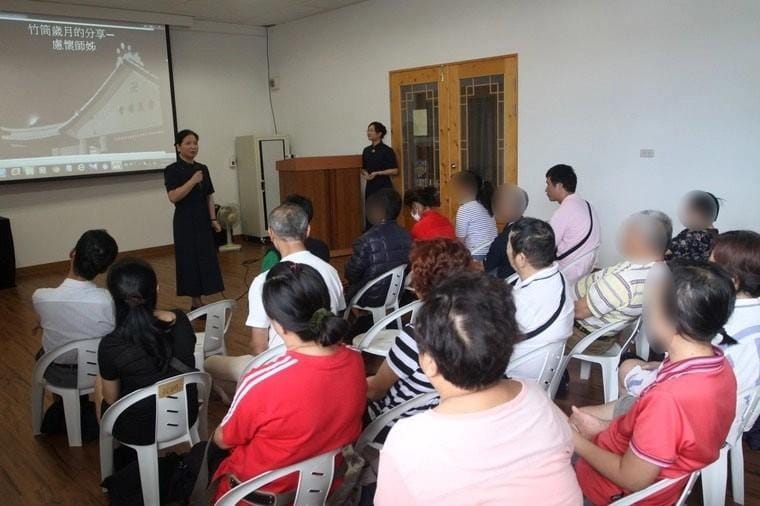
The emotional toll of terminal illness extends deeply to family members. In the palliative ward, many male patients were cared for by their wives, who carried immense stress with little outlet. Collaborating with researchers from National Dong Hwa University, volunteers began organizing informal gatherings for these women after their husbands passed away.
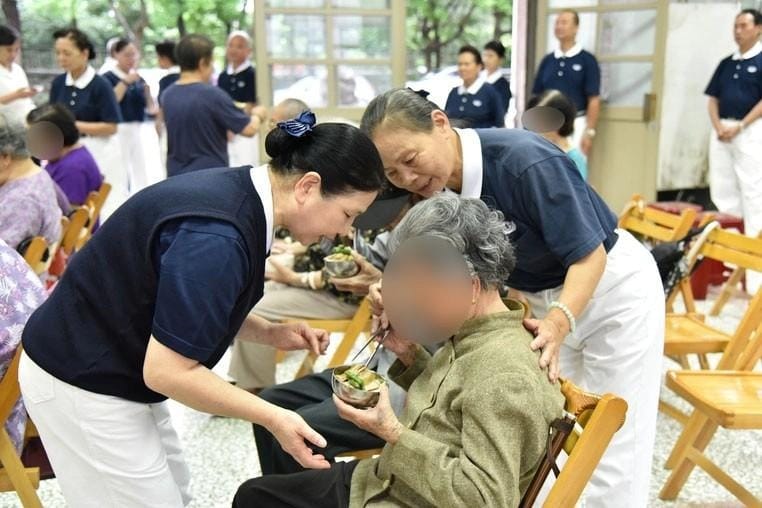
What started as simple meetups evolved into a monthly support group. The widows shared the realities of their daily lives, the challenges of raising children alone, and their feelings of isolation. Through listening and shared experiences, their grief found a safe outlet, providing them with the strength to move forward.
Through six years of continuous service, Tseng’s own perspective shifted profoundly. Initially terrified of death and mortuaries, she was guided by Yen to view the deceased with respect rather than fear. Tseng later participated in spiritual care training that involved visiting crematoriums and memorial services, prompting her to reflect on her own preparedness for the end of life.

Walking alongside those in their most vulnerable moments taught her that confronting mortality is an essential step in understanding how to truly live.
Written by Mei-Chen Chiu (邱美珍), Li-Hui Tsai (蔡麗蕙)
