


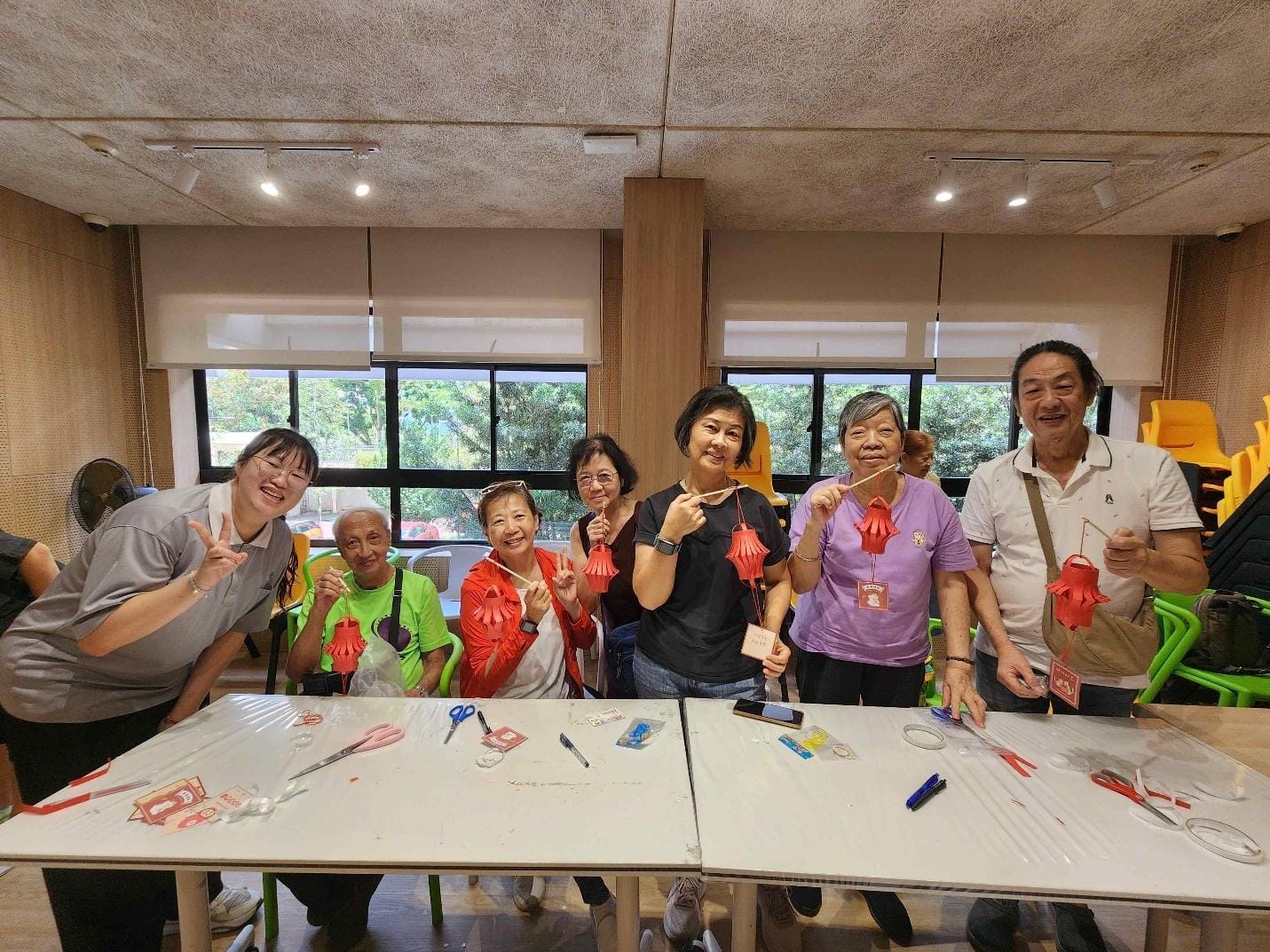
During the summer of 2026, nine students from the Department of Child Development and Family Studies at Tzu Chi University traveled to Singapore for an overseas internship program. From late June to mid-August, the students immersed themselves in various local organizations to gain practical experience in family education, senior services, early childhood development, youth work, and community outreach.
The interns were placed across a diverse range of facilities, including the Tzu Chi Foundation’s Seniors Engagement & Enabling Node (SEEN), GLOW (an active aging center), the Tzu Chi Humanistic Youth Centre, and Green Tree Montessori. Depending on the nature of the organization, the students participated in health assessments, phone-based care, home visits, activity design, and providing direct companionship to seniors and children.

Li-Fen Jang (張麗芬), the internship advising professor at Tzu Chi University, noted that the overseas program offers more than just exposure to different cultures. By examining policy practices in another country, the students learn to integrate their academic knowledge of child development, family education, and cross-generational services into real-world applications. After familiarizing themselves with the daily operations of their respective organizations, the interns began to reflect on the deeper purpose behind each service they provided.
Connecting with seniors through genuine care
For fourth-year student Hua-Ting Liang (梁華庭), interning at SEEN and GLOW transformed her understanding of elderly care. She discovered that a simple gesture, such as offering a cup of tea, serves as the first step in building a trusting relationship. Through phone calls and health assessments, Liang gathered essential information about the seniors' needs, which laid the foundation for continuous community support.
During her time at SEEN, Liang participated in the Integrated Care for Older People (ICOPE) assessments and conducted home visits. These experiences highlighted the importance of understanding the entire family dynamic. She observed that social workers focused not only on the elderly residents but also on the needs of their caregivers. By listening carefully and connecting families with appropriate resources, the team provided comprehensive support to the household.
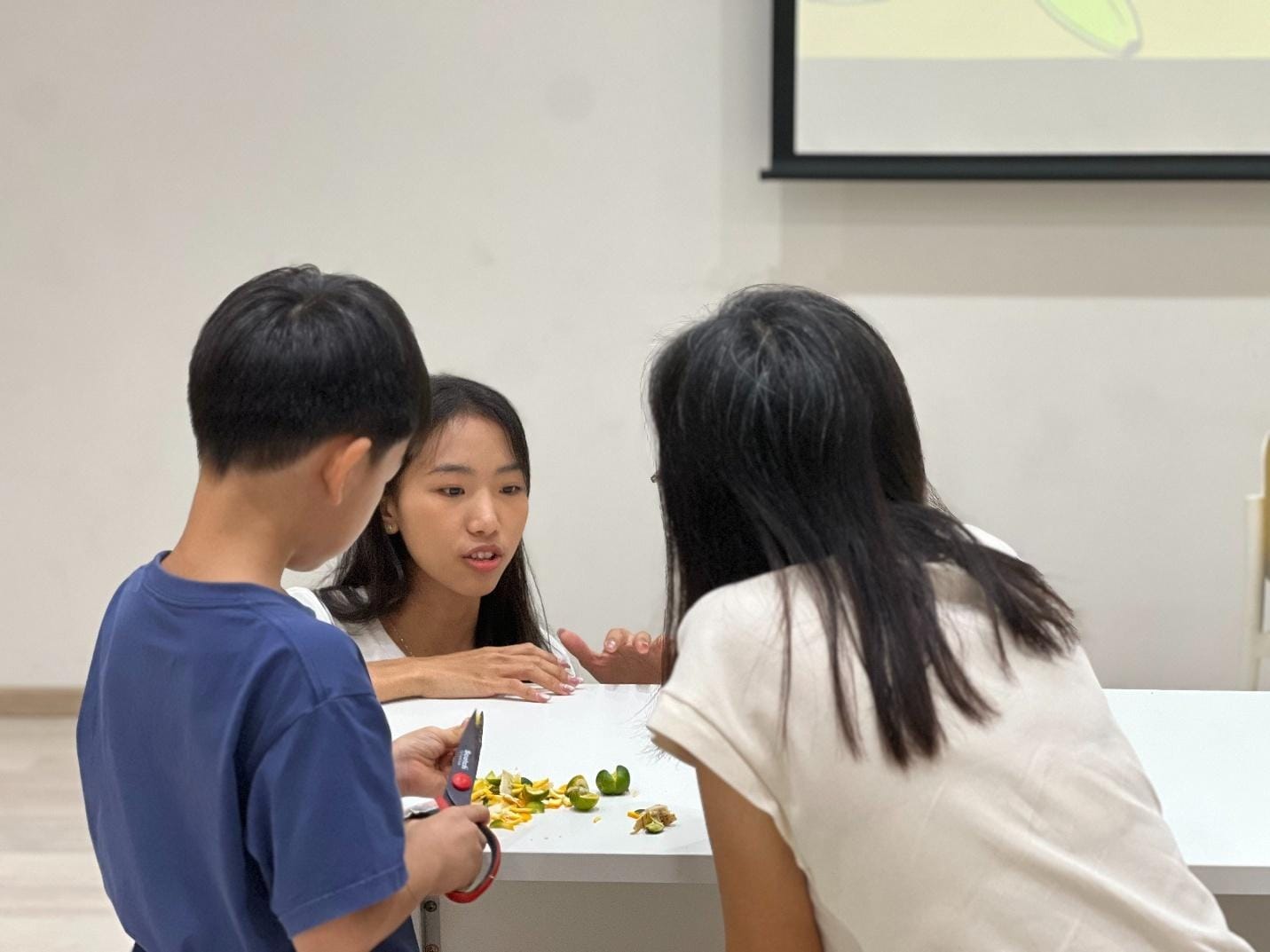
Singapore's multicultural environment also presented an initial challenge. Interacting with seniors from Chinese, Malay, and Indian backgrounds, the students initially worried about their English proficiency. However, they soon realized that a genuine smile, open body language, and a sincere attitude effectively crossed language barriers.
Bridging the gap with youth
At CARE Singapore, an organization dedicated to supporting at-risk youth and their families, intern Feng-Yi Hsiang (向峯逸) focused on mental health support, preventive life skills, and mentorship. The goal was to help young people build confidence and find direction in their lives.
When Hsiang first arrived, he felt apprehensive about communicating with the local children due to his language skills. As he spent time in the school’s playroom, observing and participating in their activities, his perspective shifted.
Laughter and sincerity are the true bridges that transcend language. I now realize that the core of youth counseling lies in the pureness of companionship. — Feng-Yi Hsiang, Student Intern
Hsiang also participated in leading a themed course titled "Defining Success." He watched as the youth critically and openly discussed their own definitions of success. When it was his turn to design and lead interactive sessions, Hsiang learned how to translate abstract values into experiential activities that resonated with the teenagers. This hands-on experience in classroom management, activity design, and empathetic listening expanded his vision for a future career in youth and family services.
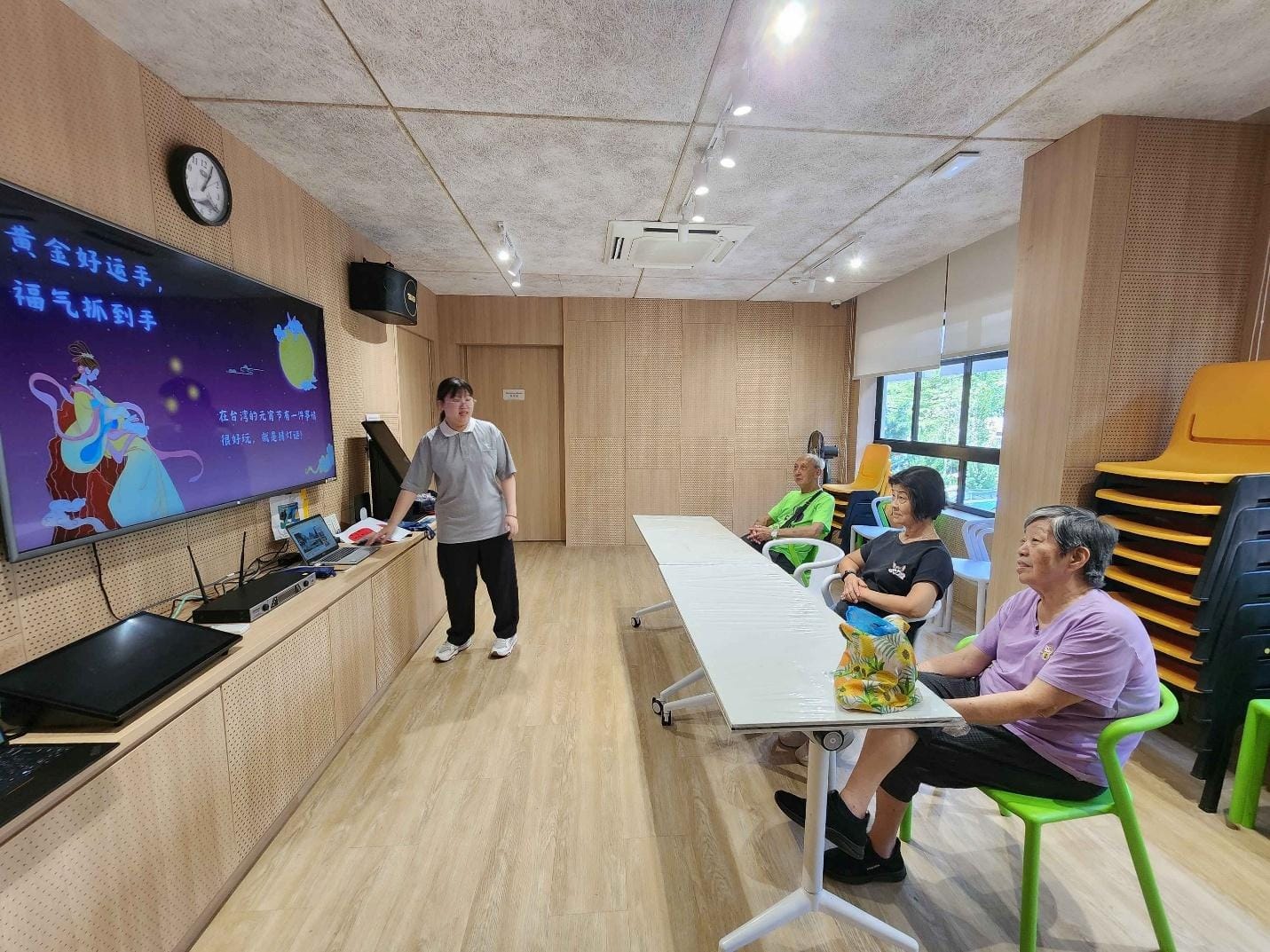
By navigating differences in language, culture, and work rhythms in a foreign country, the students practiced active observation and adaptability. The internship program allowed them to step out of their comfort zones, turning classroom theories into a strong professional foundation for their future roles in community and family care.
Written by Tzu Chi University
