


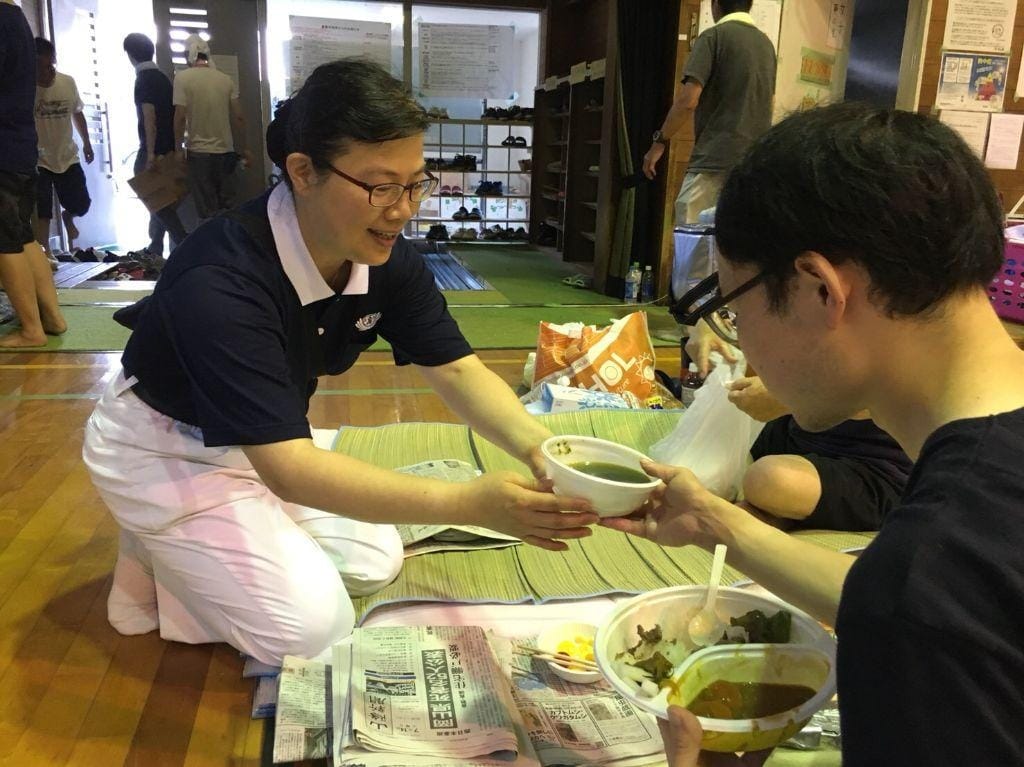
The Great East Japan Earthquake in March 2011 left profound scars on communities across the region. In the face of overwhelming devastation, countless individuals stepped forward to offer assistance to the survivors. Among them was Lily Su (蘇美菁), a corporate professional living in Tokyo, whose encounter with the disaster zones fundamentally shifted her perspective on life and service.
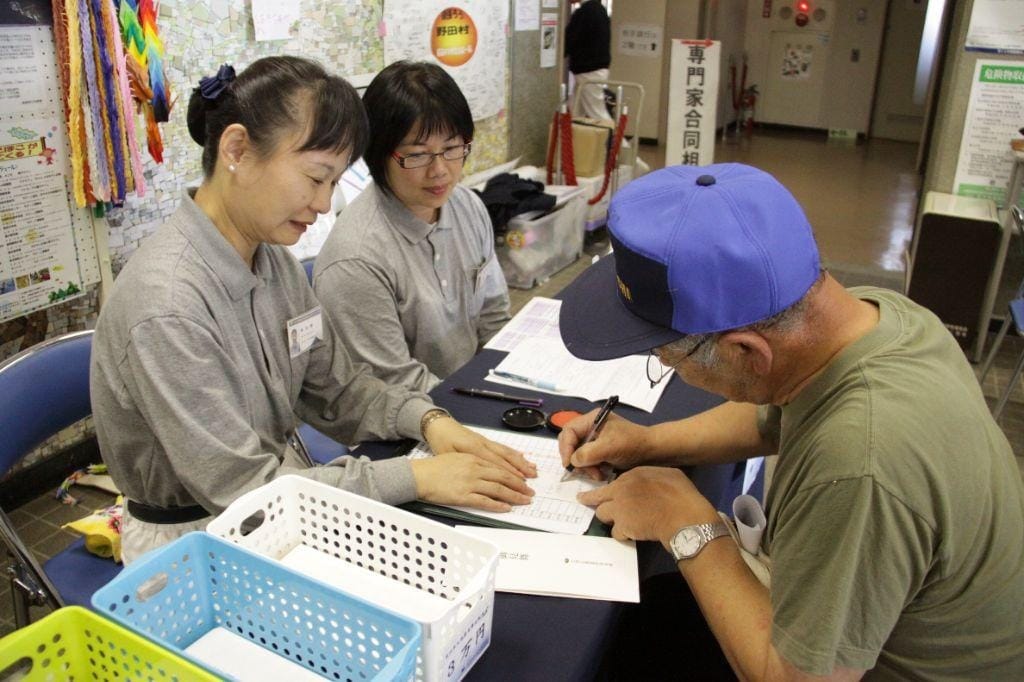
Growing up in a family that prioritized giving, Su had always maintained a habit of donating to various charities. However, it was the catastrophic events of 2011 that prompted her to take direct action. Witnessing the severe impact on local residents, she immediately took leave from work and traveled to the hardest-hit areas in the Tohoku region to assist with relief operations.
Witnessing resilience in the rubble
Arriving in the disaster zones, Su was confronted with a reality far more severe than what was broadcast on television screens. The sheer scale of the destruction and the palpable distress of the displaced families left a lasting impression on her.
Although I had seen it on the news, actually seeing a boat stranded on a street felt so unreal. The disaster was much more severe than I had imagined. You could imagine how panicked and helpless the residents must have been when the earthquake and tsunami struck. I was taking pictures, but I just couldn't continue. Tears kept streaming down, and my vision was so blurred that I couldn't see the camera lens clearly. — Lily Su, Tzu Chi Volunteer
Despite the immense loss, the resilience of the survivors shone through. They patiently queued for emergency supplies and offered deep appreciation to those who came to help, a response that deeply moved the relief teams on the ground.
The residents kept holding the volunteers' hands to express their gratitude after receiving the relief supplies. It makes you want to cry, but we could only hold back our tears and continue our mission. — Lily Su, Tzu Chi Volunteer
A slower, softer approach
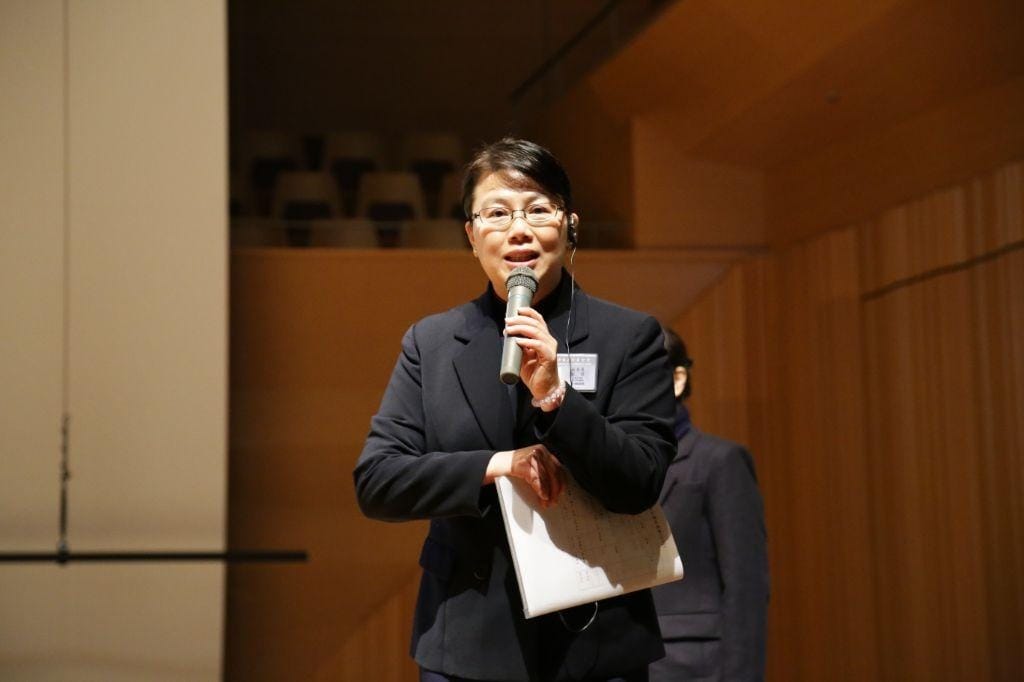
LEFT: Serving as part of the activity group allowed Su to make use of her professional skills. She is also using her skills appropriately taking care of the feelings of every volunteer. | Photo: Wen-Szu Chen (陳文絲) RIGHT: Su (first left) participated in the first wave of disaster relief efforts on the Noto Peninsula. | Photo: Joyce Chou (周利貞)
Motivated by the strength of the people she met, Su committed to long-term charitable work, becoming a certified volunteer at the end of 2012. Over the years, her efforts expanded to include relief operations following the Noto Peninsula Earthquake and the Ofunato forest fires. She also dedicated her time to caring for individuals experiencing homelessness in Yoyogi Park, Yokohama, and Kawaguchi, as well as serving meals at the community Great Love Kitchen.
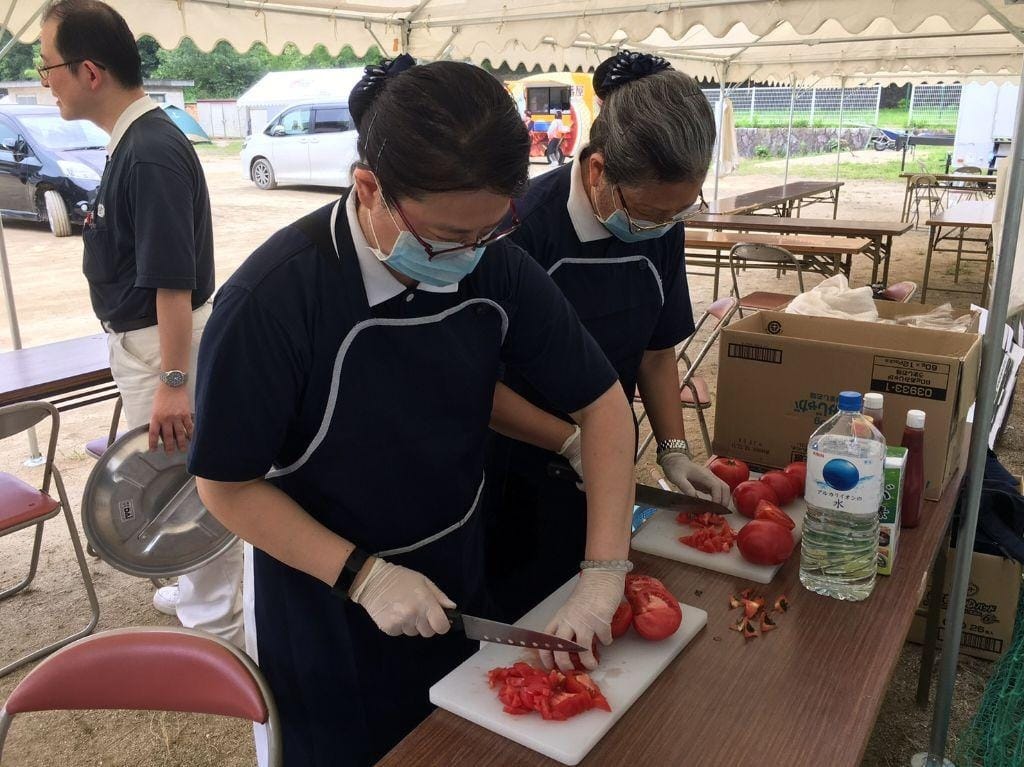
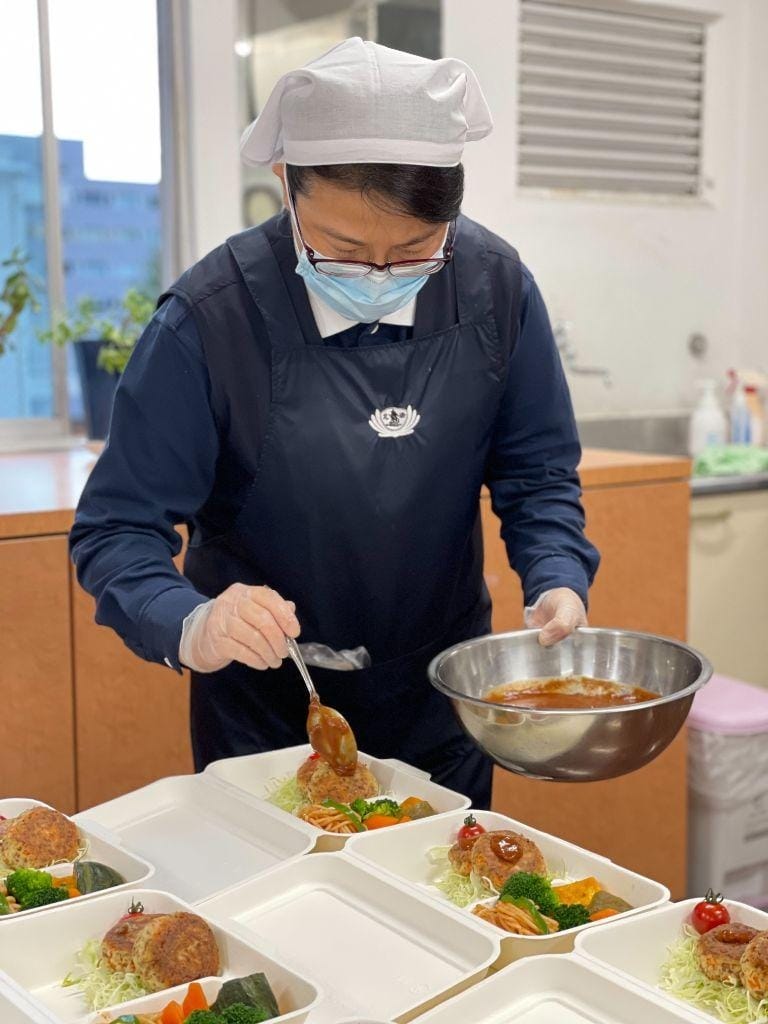
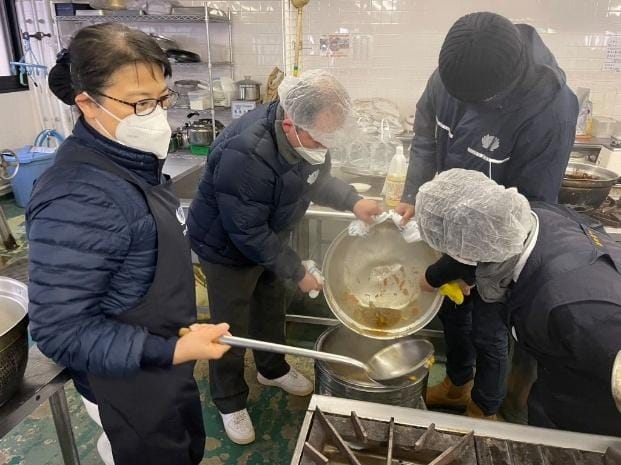
LEFT: Lily Su helps set up stoves to provide hot meals for survivors after heavy rains struck Mabi Town in 2018. RIGHT: In 2021, Su helped design a special bento box with a hamburger patty and pasta for the Great Love Kitchen. | Photos: Hui-Chen Wu (吳惠珍)
Working closely with vulnerable populations required a significant adjustment. In her corporate career, Su was known for her strict efficiency and rapid execution. However, she soon realized that community support demands a different pace. Rushing through tasks often meant missing out on the human connection that is vital to those going through trauma or hardship.
I realized that the organization doesn't just want to get things done, but hopes that everyone has the opportunity to participate and grow through giving. — Lily Su, Tzu Chi Volunteer
Ripples of positive support
By slowing down, Su learned to listen more attentively and approach every interaction with greater patience and inclusivity. The collaborative nature of disaster relief taught her to value the diverse contributions of every individual, regardless of their background or physical capabilities.
She credits this personal growth to the continuous encouragement of her family and fellow volunteers. Her sisters, Otomi Ida (井田音心) and I-Chun Su (蘇意淳), along with experienced volunteers like Li-Shing Lin Shyu (許麗香), provided essential emotional support during challenging times.


LEFT: “Contentment, gratitude, understanding, and forbearance” – these four seemingly simple words are a lifelong lesson in truly putting them into practice. Su believes that contentment and gratitude are relatively easy to achieve, but understanding and forbearance in interpersonal interactions remains a subject she continues to learn. | Photo: Shu-Chuan Li (李淑娟) RIGHT: Lily Su (back first left) hopes that in the future she too can become a mentor in others’ lives, continuously passing on this warmth and positive energy. | Photo: Tzu Chi Japan
Today, Su channels the empathy she cultivated in the disaster zones into her everyday interactions. She aims to be a source of stability and warmth for others, ensuring that anyone facing difficulties receives the same patience and care that the resilient survivors of the 2011 earthquake taught her to provide.
Written by Yin-Hsuan Huang (黃韻璇), Chia-Jung Lin (林佳蓉)
