


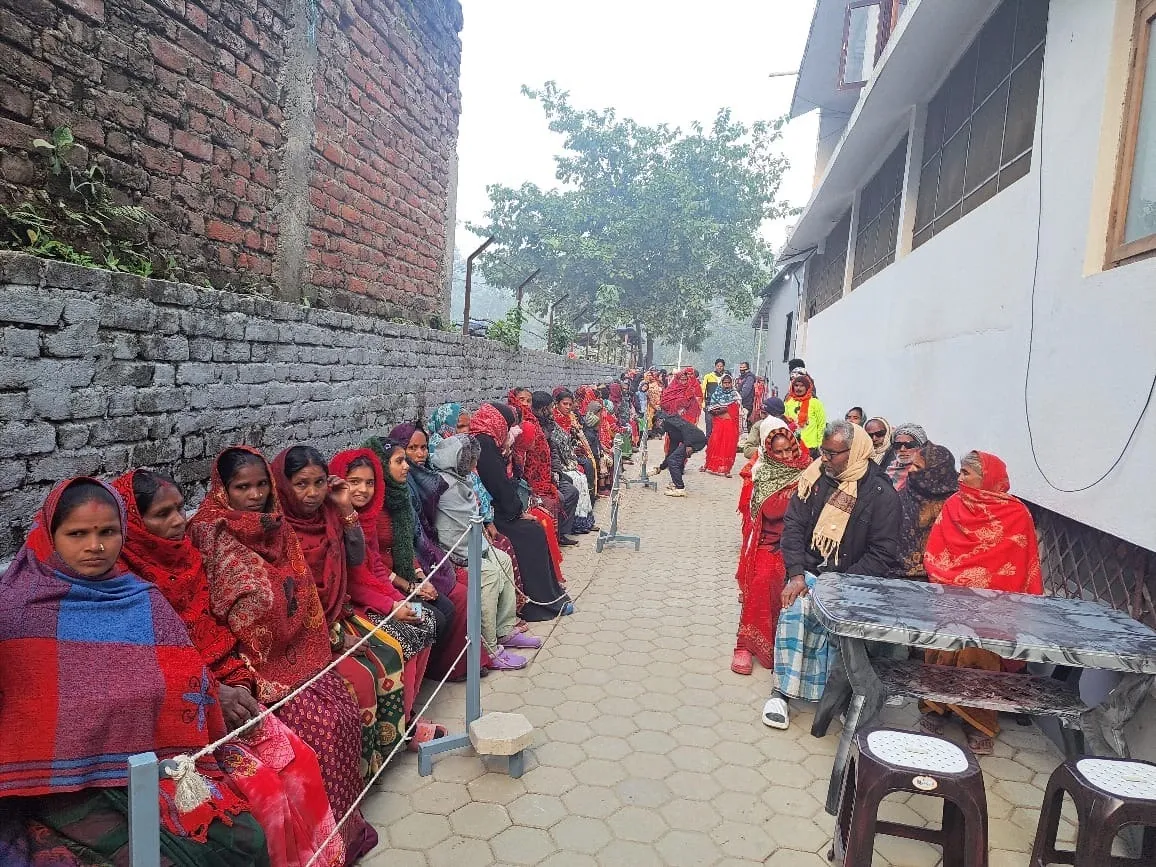
In the Buddha’s birthplace, morning light reveals a familiar scene. Before the fog lifts, people lean on walls or steady themselves with walking sticks. Some hold an elder’s hand, moving slowly toward a clinic in the hope of seeing a doctor. For many families here, medical care is not guaranteed; it is something earned through hours of waiting, long walks, and hard choices.
By daybreak, a line has already formed.
Illness weighs heavily in Lumbini not only because resources are scarce, but because care is difficult to reach. Village health posts offer only basic services. Hospitalization, surgery, emergency care, or advanced tests often require travel to cities dozens of kilometers away. The cost—in time, money, and strength—can be overwhelming. When treatment is delayed, families are forced into painful decisions: wait longer, travel farther, or forgo care altogether. Over time, illness erodes not just health, but hope.
Listening to suffering, setting a direction
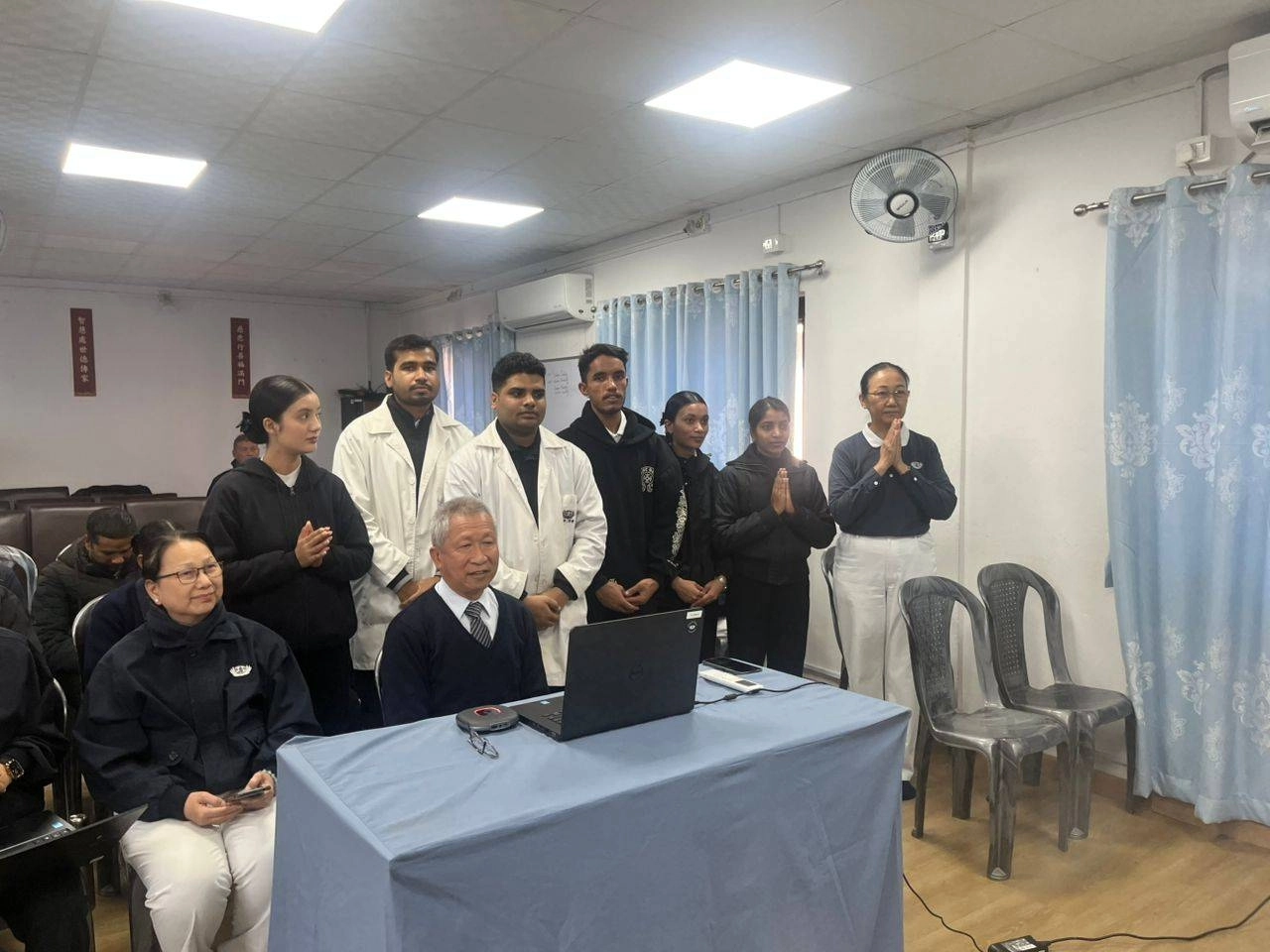
On January 2, 2026, Master Cheng Yen joined a video call from Taiwan to listen to updates from Dr. Tang Kiat Beng (陳吉民) and nurse Lee Meow Hong (李妙紅), medical volunteers stationed in Lumbini. She thanked them for choosing to serve in a difficult environment and encouraged the team to persevere in caring for those in need.
She spoke candidly about what she had seen on screen: patients crouching or lying down, faces marked by pain. Illness, she said, is among life’s deepest hardships, and easing that suffering requires skilled doctors and nurses so that medicine can truly help. She urged everyone to sustain their resolve, guided by compassion that cannot bear to see others suffer.
Just as importantly, she emphasized returning to fundamentals—training local medical professionals, securing land for healthcare use, and building education alongside services. Healthcare and education, she noted, form the foundation for lasting support. With shared commitment, she said, there was reason for confidence and hope.
From a free clinic to everyday access
Care in Lumbini began with a simple goal: make healthcare reachable.
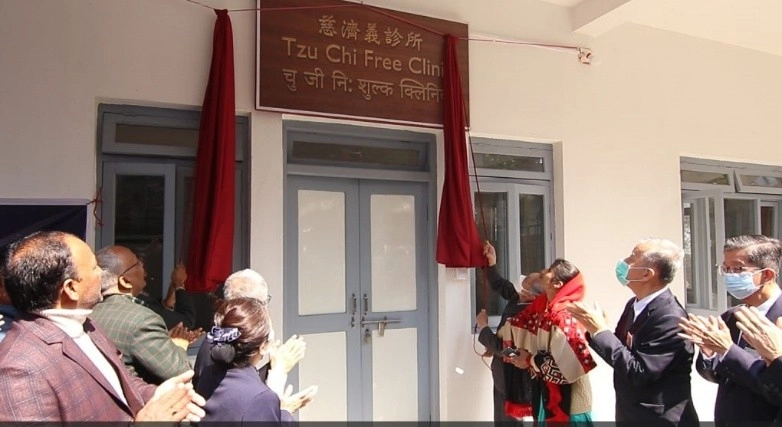
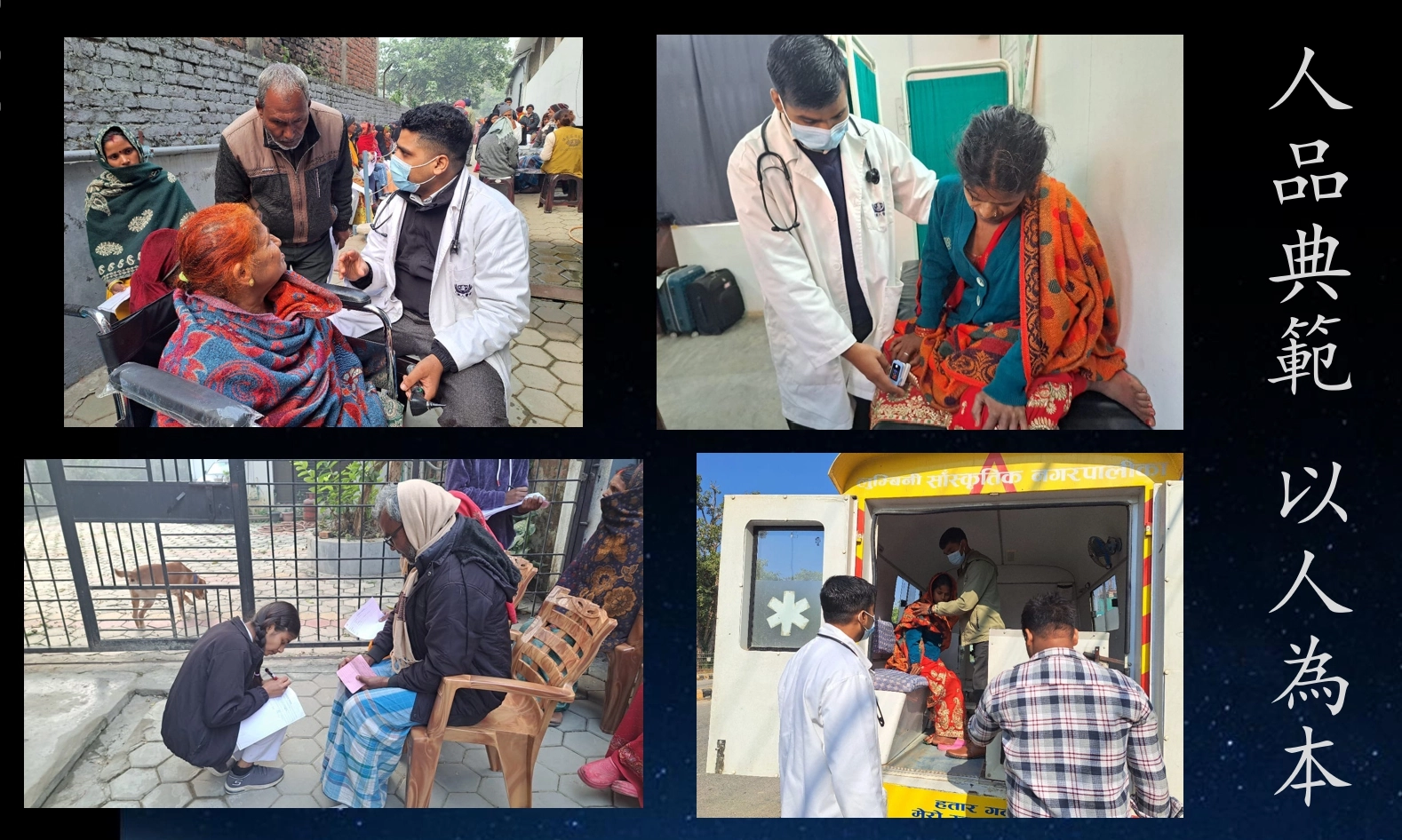
Since February 19, 2023, the Tzu Chi free clinic in Lumbini has gradually expanded services based on common local needs. Outpatient care now includes gynecology, orthopedics, pediatrics, and ear, nose, and throat services, along with acupuncture and physical therapy. These treatments have helped people living with chronic pain or limited mobility regain daily function.
For patients, the impact goes beyond treatment. Some had endured years of back pain with no consistent care until regular therapy became available. Others, once unable to work due to illness, slowly returned to daily routines, bringing stability back to their households.
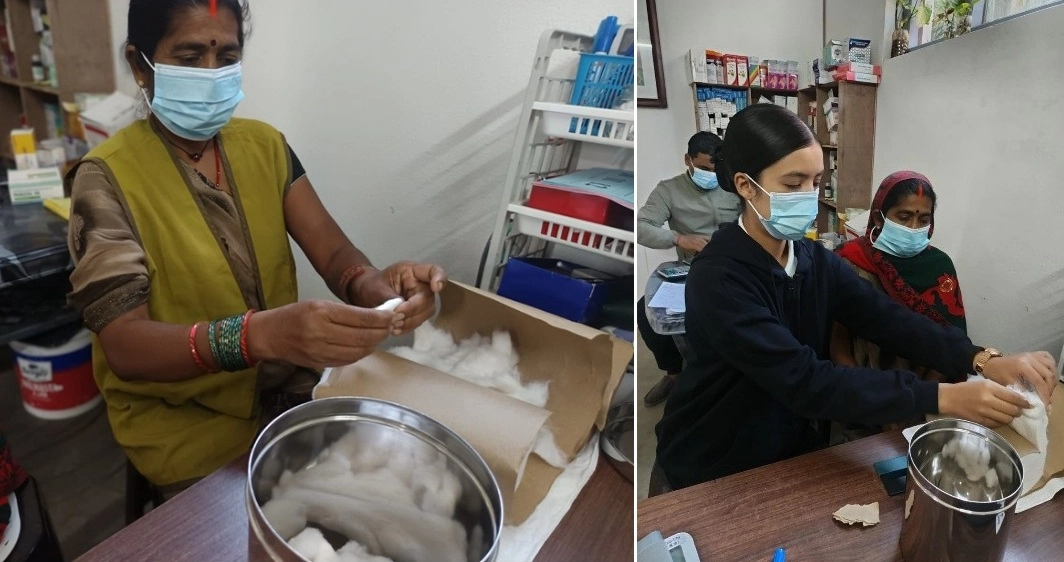
Under the guidance of nurse Bitisha, families and neighbors have begun to take part in care itself. Some help prepare supplies or maintain order; others learn basic hygiene practices. Medical care here is no longer limited to treating disease—it supports families, improves living habits, and fosters mutual help within the community.
Yet the clinic’s limits are clear. Patients who need surgery, intensive care, or advanced imaging must still travel far, often waiting too long and missing critical windows for treatment.
Why a hospital matters
Plans for a Tzu Chi hospital in Lumbini are not about expansion for its own sake, but about continuity. In a place where referral costs are high and access is limited, local medical capacity can turn care from a matter of chance into a dependable presence.
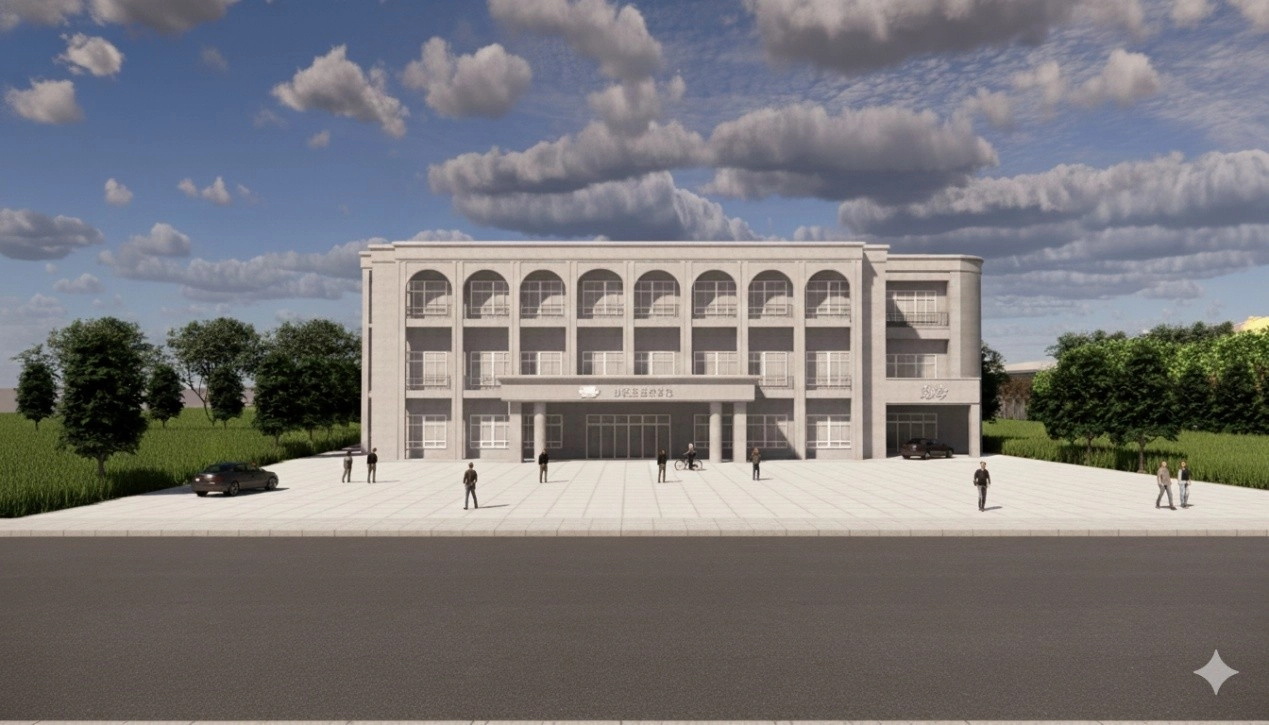
The hospital is being planned step by step, beginning with a practical, maintainable medical building that can expand over time. Its design follows the flow of care—from emergency response to daily treatment, from diagnosis to recovery—so that services can function smoothly and safely over the long term.
Initial plans call for a three-story medical building:
- First floor: registration, outpatient clinics, dental care, acupuncture and physical therapy, radiology, laboratory services, and emergency care—prioritizing urgent and commonly needed services.
- Second floor: inpatient wards and newborn care, alongside offices, meeting rooms, and teaching spaces so clinical work and training can proceed together. Areas for humanistic care are included to keep compassion at the center of treatment.
- Third floor: delivery rooms, operating theaters, day surgery, endoscopy, intensive care, post-operative observation, central sterilization, family waiting areas, and support spaces, with mechanical and logistics planning to sustain quality care.
This is not a paper exercise. The layout reflects repeated discussions between medical staff, architects, and engineers, all working toward one aim: to reduce travel, shorten waits, and make care workable for patients and families.
A hospital depends on people
Buildings can be constructed, but healthcare endures through people and systems.
Staffing plans are unfolding in stages, with key roles filled first and nursing, imaging, laboratory, pharmacy, nutrition, and administrative teams added over time. The goal is to form a functioning team as the hospital develops, rather than waiting until construction is complete.
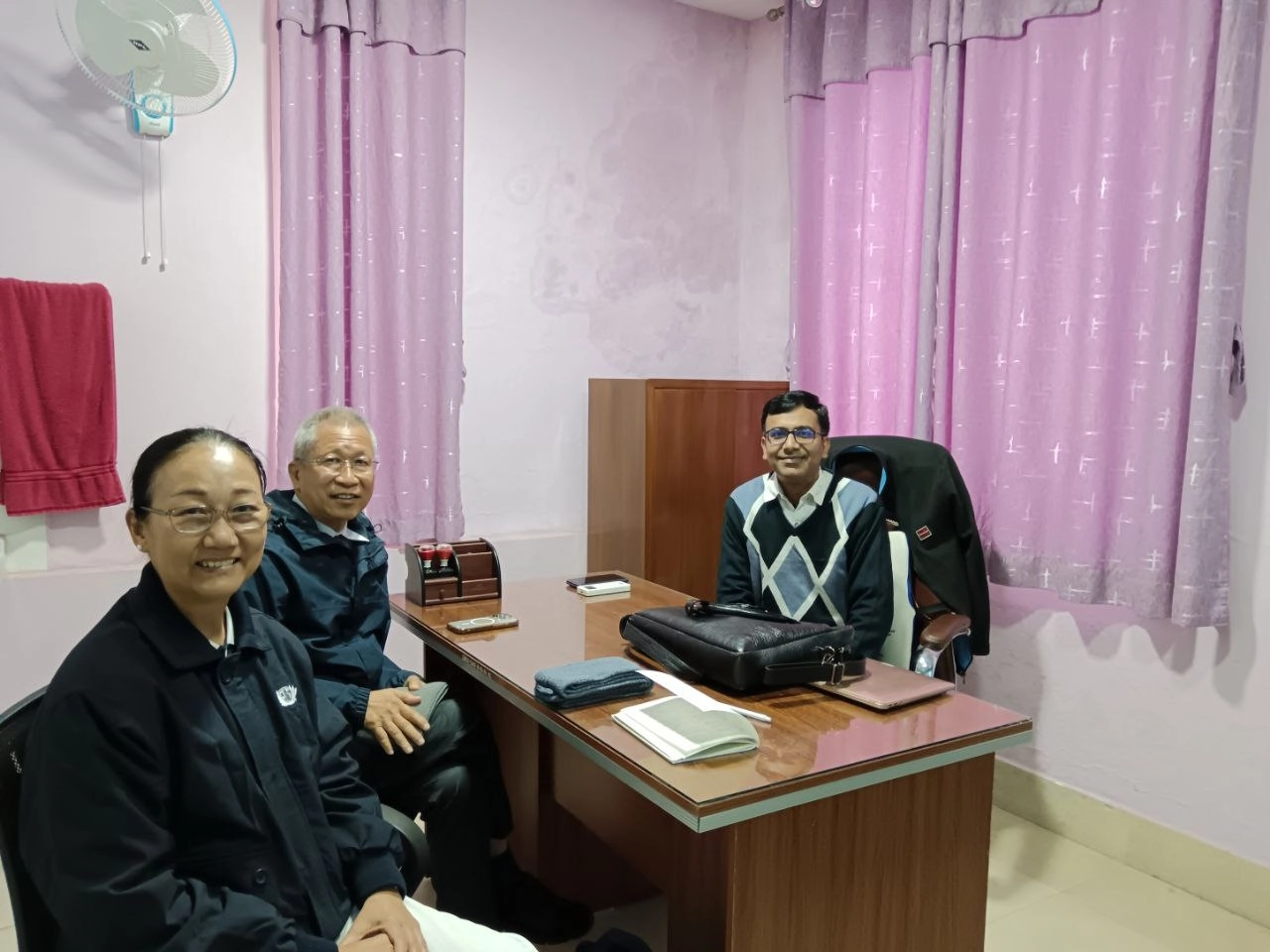
At the same time, Dr. Tan and nurse Lee are working to connect with local healthcare institutions and academic partners to seek clinical guidance, training pathways, and system development. Keeping skills and knowledge in Lumbini is essential if care is to last.
Equipment planning follows the same principle. In a resource-limited setting, reliability matters more than novelty. Devices must be usable, repairable, and sustainable. What remains, over time, is not machinery, but a system that continues to serve.
Lighting a way forward
Healthcare is where protecting life begins. In Lumbini, the need is visible in everyday struggles—a mother unable to work because of pain, a senior whose treatment is delayed by distance, a family strained by medical costs.
Building a local healthcare system means more than treating illness. It helps people stand again, allows families to function, and restores a sense of dignity within the community. By turning compassion into a working system, care can remain close at hand—not just for a moment, but for years to come.
Written by Siew Pei-Fung (蕭佩芳)
