


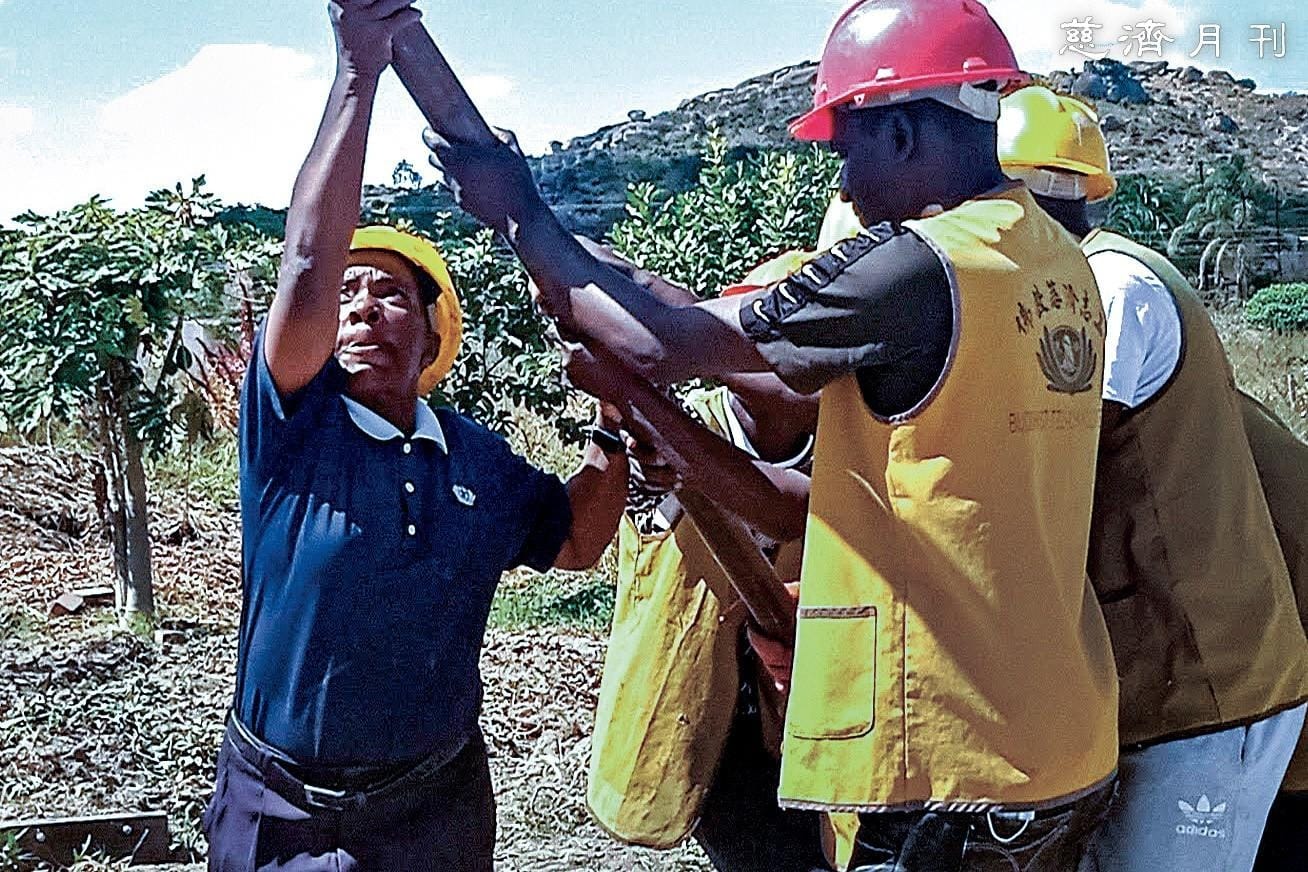
In Zimbabwe, where traditional society is largely dominated by men, a dedicated group of women is defying expectations. Braving the scorching sun and rough terrain, they climb aboard heavy engineering trucks to bring clean water to drought-stricken communities. Loveness Compound is one of the leading figures in this transformative effort, demonstrating how women are carving out dignity and hope for their neighbors.
A lifeline in times of illness
Born in 1971, Loveness is the most senior member of the well-drilling team. Before this role, she worked in security. Her life took an unexpected turn in 2010 when she noticed an anomaly in her neck and was diagnosed with a severe thyroid condition. In a region where medical resources are extremely scarce, doctors warned that without surgery, she might not have long to live.
Facing death, I was completely terrified. I didn't dare to have the surgery, and I couldn't afford the medical expenses anyway. — Loveness Compound, Volunteer
For two years, she lived under the constant shadow of her illness. A turning point arrived when a friend introduced her to Tino Chu (朱金財), the late head of Tzu Chi in Zimbabwe. Known throughout impoverished communities for his dedication to helping others without charge, Tino offered Loveness traditional therapies to help soothe her condition. Her health gradually stabilized, allowing her to envision a future beyond her illness.
Deeply moved by the care she received, Loveness decided she wanted to give back.
I was once a care recipient receiving rice aid. I saw firsthand how beautiful it is to help others, and I really liked the way they did things. I thought about how wonderful it would be if I could join them. — Loveness Compound, Volunteer
She began learning alongside Tino, eventually taking on a pivotal role coordinating relief supplies, managing the hot meal stations, and overseeing the well-drilling logistics. Despite language barriers—Tino's English was limited, and Loveness was not entirely fluent—the two developed a profound understanding over their fourteen years of working together.
Breaking gender barriers
Women in Zimbabwe often face deeply entrenched systemic challenges, including early marriage and a lack of access to basic necessities. In the largely patriarchal cultures of the Shona and Ndebele communities, women are frequently marginalized. However, the well-drilling team offers a stark contrast to these norms, with women making up nearly half of its members.
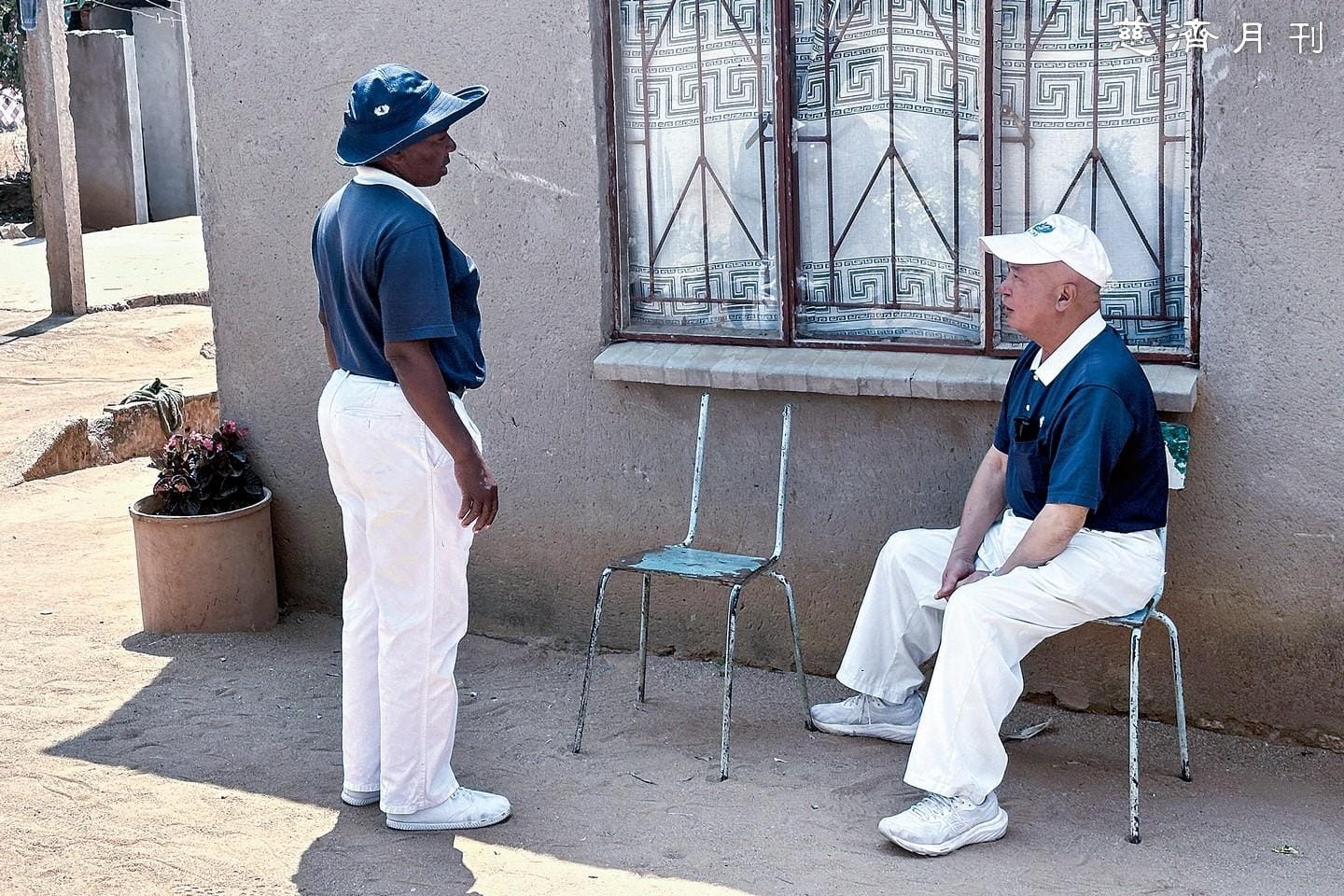
In a male-dominated society, women are taught from a young age to care for others and to be compassionate. This means that when we join the well-drilling team, every female volunteer fully commits, supports one another, and faces challenges together. This love and compassion make us willing to go the extra mile and give a little more. — Loveness Compound, Volunteer
The physical demands of the job are immense. Enduring intense heat, navigating bumpy roads for days on end, and managing heavy manual labor are daunting tasks, particularly for women who must also care for their families. Yet, the work provides an equal platform. During long journeys that can last over ten days, the women find strength in unity. When one starts singing, the rest join in, lifting spirits and easing the exhaustion of the road.
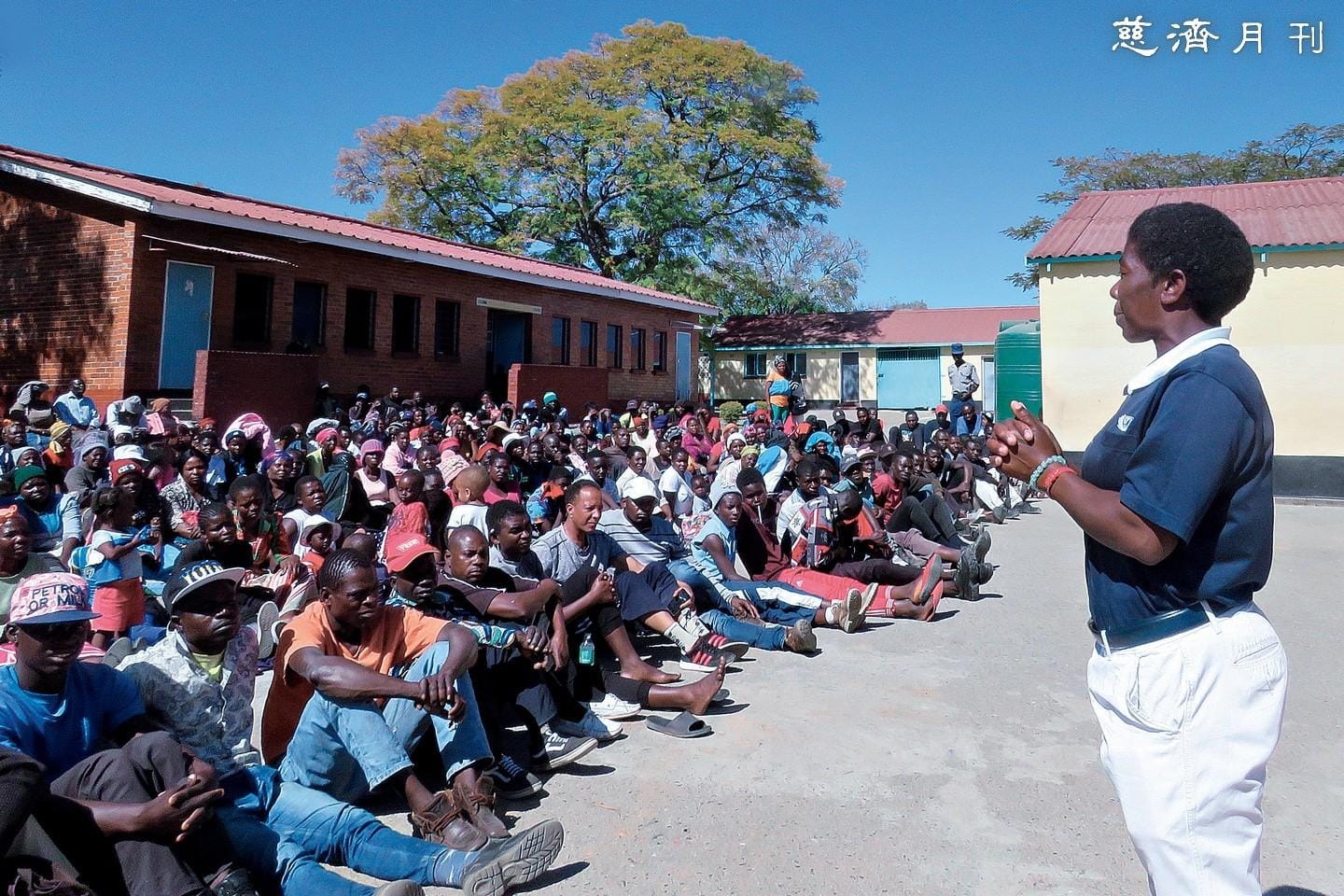
Their hard work pays off the moment they strike water.
Whenever I see clear water gushing out, and our collective efforts yield results, the residents' lives are finally improved. Seeing their smiles and the joy of them singing and dancing, I deeply feel that what we bring them is not just water, but relief from suffering, as well as hope and love. — Loveness Compound, Volunteer
A legacy of compassion
Through her long tenure, Loveness stood by Tino during his most difficult moments. In 2021, while repairing a well in Domboshava, a plastic part burst from the ground and struck Tino's right eye, causing him to collapse. The volunteers rushed him to the hospital, and though he eventually sought further treatment abroad, the accident caused irreversible damage to his optic nerve. His health further declined following a severe illness, but Loveness and the local team remained vigilant, looking after the man who had guided them for so long.
When Tino passed away suddenly in February 2026, it brought immense grief to the community. Yet, Loveness slowly found her footing again, inspired by the strength of Tino's wife, Chao-Chin Li (李照琴), who continues to support the team.
We still have Sister Chao-Chin Li accompanying us. Just as I saw Brother Chu as a father, she is like a mother to us. I will remember what he told me: 'Ming An (明安), do not hesitate or calculate when doing good deeds, because regardless of skin color, we are all one family.' — Loveness Compound, Volunteer
Today, Loveness is no longer a woman living in fear of her illness. She stands strong, confident, and ready to advocate for her community. Her journey highlights the profound truth that acts of kindness can reshape not just individual lives, but the very fabric of society.
Society used to expect women to be silent and submissive. But here, I am trusted, given tasks, and have learned to lead a team. I understand that women do not need anyone's permission to show compassion through doing good deeds. When you join this group as a woman, you learn how to love, how to show compassion, how to stay kind, and work hard to help others. This is the change this experience has brought me. — Loveness Compound, Volunteer
Written by Felicia Hsu (許斐莉)
