


To improve the oral health of vulnerable communities, the Tzu Chi Foundation has once again partnered with the Baja California Secretariat of Health to hold a large-scale free dental clinic in Tijuana, Mexico. Scheduled from April 24 to May 1, 2026, the event brings together medical professionals from the United States, Mexico, and Taiwan. Building upon the foundation of their first collaboration in July 2025, the team has expanded the scale of their services, aiming to provide accessible, specialized dental care to those in need.
Comprehensive care for special needs
The clinic focuses heavily on reaching marginalized groups, expanding its footprint to include two special education schools and a local shelter. With an anticipated turnout of over a hundred patients, the medical team is prepared to offer diverse services ranging from preventive care to complex procedures.
This year, we are partnering with the Tzu Chi Foundation to host the second large-scale free dental clinic starting on April 24. We are collaborating specifically with special education schools to primarily serve children, providing comprehensive medical services to patients with special needs, including oral surgery, periodontics, and preventive treatments. We have also added new service locations, covering two schools and a shelter, expecting to serve over a hundred patients. — Czinda Rodriguez, Director of Dentistry at the Baja California Secretariat of Health
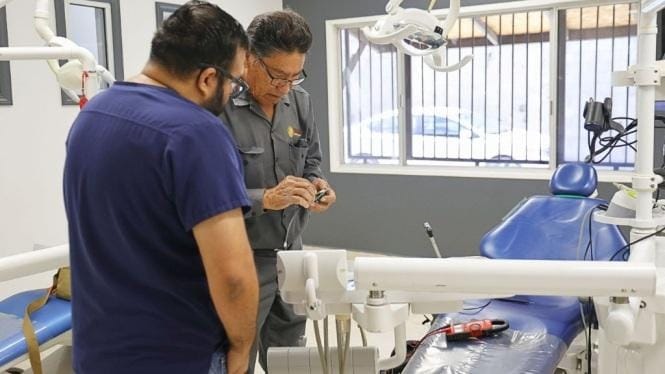

LEFT: Baja California Secretariat of Health staff help repair a dental treatment bed. RIGHT: Staff meticulously prepares dental beds for the upcoming clinic. | Photos: Mandy Lo
Prioritizing patient safety
Delivering medical care to individuals with complex health backgrounds requires meticulous preparation. Before any treatments begin, the medical team establishes comprehensive health records for every patient. During these pre-evaluations, medical staff record vital signs such as blood sugar, blood pressure, and oxygen saturation.
We have been continuously monitoring the patients. The health department has also provided us with follow-up care support, including teeth cleaning, extractions, fillings, and root canals. Furthermore, we have received support from pediatric dentists, and an endodontist has now joined our team. They are all providing professional dental services for our patients. — Patricia, Dentist at the Tzu Chi Tijuana Campus
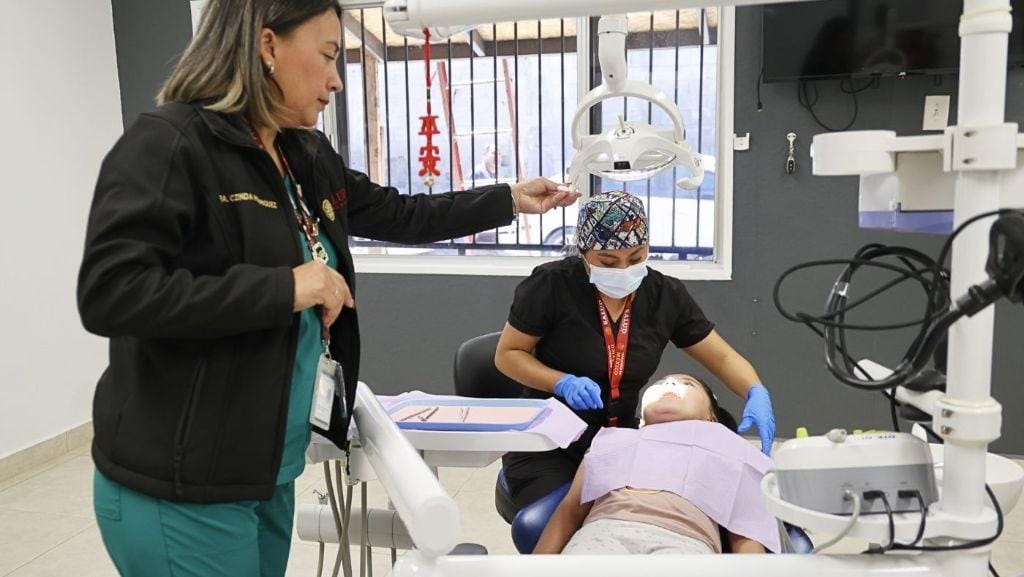
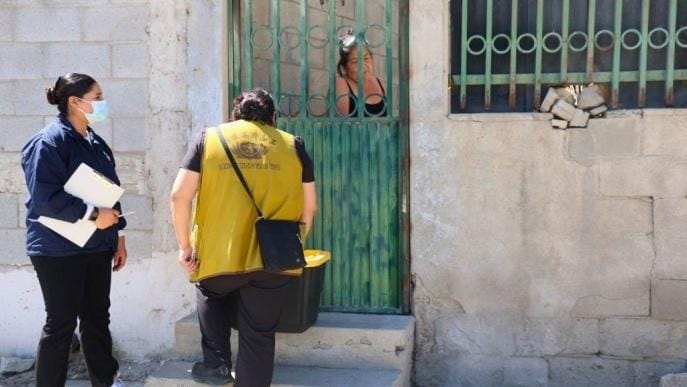
LEFT: Czinda brings dentists to conduct preliminary check-ups for children. | Photo: Mandy Lo RIGHT: The dental team visits patients' homes for pre-clinic consultations. | Photo: Jessica Su
Many of the patients scheduled for the clinic manage chronic conditions such as diabetes, hypertension, and epilepsy. The team places a strong emphasis on understanding each individual's medication history to guarantee a safe treatment environment. For those with limited mobility, volunteers arrange transportation and map out accessible medical routes. They also make house calls and follow up with reminders, ensuring that physical barriers do not prevent anyone from receiving care.
Empowering the community
The realization of the clinic relies on a collaborative effort that extends beyond the medical professionals. Students and teachers from the local Hope Classroom actively participated in the logistical setup, taking charge of assembling the mobile dental chairs.
Today, my classmates and I assembled the dental chairs that will be used during the event from April 24 to May 1. I like assembling these chairs because they are easy to put together, which makes it more convenient for the users. However, we have to be careful when assembling them because some screws might fall out, or fingers might get caught in the bottom of the chairs. Be careful when using the treatment chairs. They need to be adjusted by moving forward and backward to regulate the height of the backrest. Then they can be adjusted further forward or backward. — Alison, Hope Classroom Student
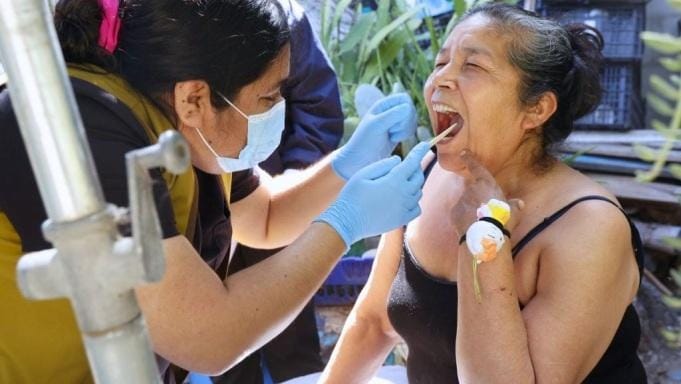
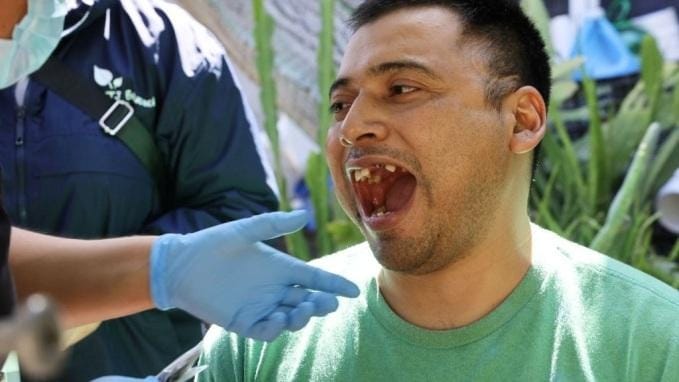
LEFT: Dentist Patricia evaluates a patient. | Photo: Mandy Lo RIGHT: Many patients cannot afford treatment despite having severe dental issues. | Photo: Jessica Su
The hands-on experience offered the students an opportunity to directly contribute to their community's well-being.
My classmates and I assembled these dental chairs together. Although there were instructions, they were in English, so we didn't understand them at first. However, we felt that we had to learn how to do it. And so, we learned. — Natasha, Hope Classroom Student
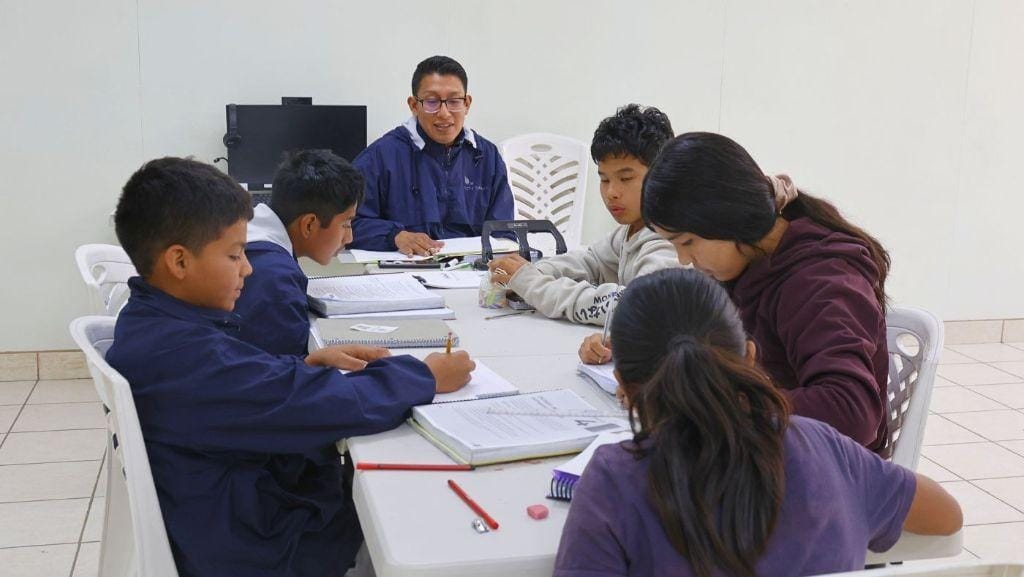
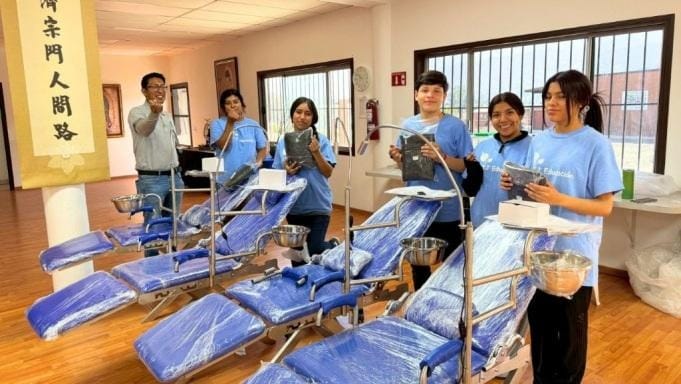
LEFT: Teacher Victor Hernandez guides students in assembling mobile dental chairs. | Photo: Mandy Lo RIGHT: Students successfully install the chairs for the clinic. | Photo: Jessica Su
Restoring health and dignity
For many facing economic hardship, dental care is an unaffordable luxury. The clinic offers a critical lifeline for families who have had to delay or forgo necessary treatments.
Due to financial difficulties, we haven't been able to afford dental care for a long time. This free clinic allows both me and my child to receive a complete check-up and follow-up treatment. During this check-up, they examined both Ivá's and my teeth to see what needs to be done and will follow up on the entire process. I am very grateful to Tzu Chi.
— Ángeles Grijalva González, Mother of Patient Otra vez Mario Ivá
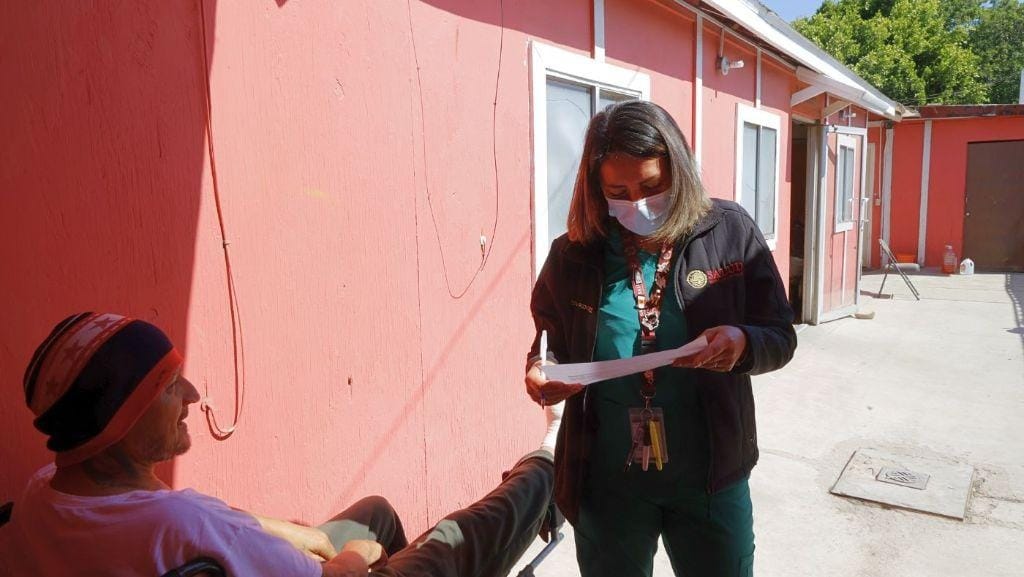
The outreach efforts also extended to a local shelter for individuals with disabilities, reaching people like Jaime, whose life has been deeply affected by chronic illness.
I am here because my leg was amputated due to diabetes, and there was an infection. I don't have teeth, and now people are coming to help me get them treated. They are very kind to come and see me; there are many people here who need help. I am very happy that they have come to help us.— Jaime, Shelter Resident
By combining the expertise of multiple dental specialists and working closely with local health authorities, the dental clinic addresses immediate medical needs while laying the groundwork for a more sustainable approach to community health.
Written by Mandy Lo (駱淑麗)
