


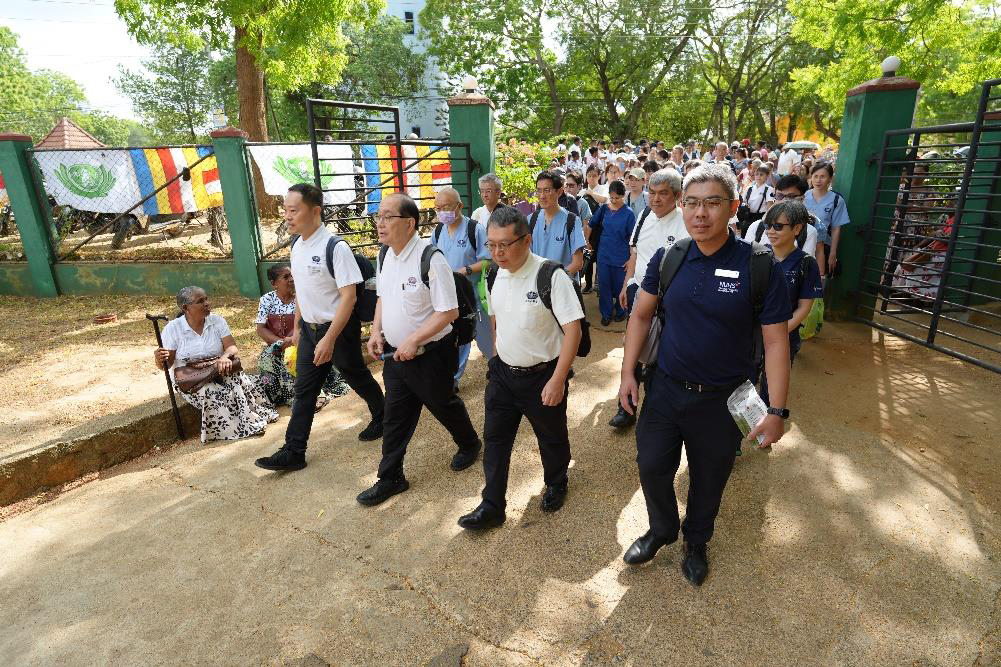
For many rural communities, accessing specialized medical care involves navigating long distances and financial strain. Illness brings physical pain, but it also strips away comfort and dignity. Recognizing this, an international team of medical professionals and volunteers traveled to Hambantota, Sri Lanka, offering three days of free healthcare to ease the burdens of the local population and provide practical support.
A collaborative effort in Hambantota
From August 7 to 9, 2026, the Lunugamwehera Divisional Hospital in Hambantota was transformed into a multidisciplinary free medical clinic. The event was made possible through a collaboration between the Taiwan International Medical Association (TIMA) and healthcare professionals from Taiwan, Singapore, and Malaysia. Institutions such as the National University Health System (NUHS) and Khoo Teck Puat Hospital (KTPH) also played a crucial role in bringing the initiative to life.
Long before patients arrived, volunteers worked diligently to survey the site, coordinate international medical supplies, and set up patient flow systems across four medical departments: Traditional Chinese Medicine (TCM), General Practice (GP), Dentistry, and Ophthalmology. This logistical preparation, carried out by 169 international volunteers working alongside Sri Lankan locals, ensured the clinic ran smoothly.
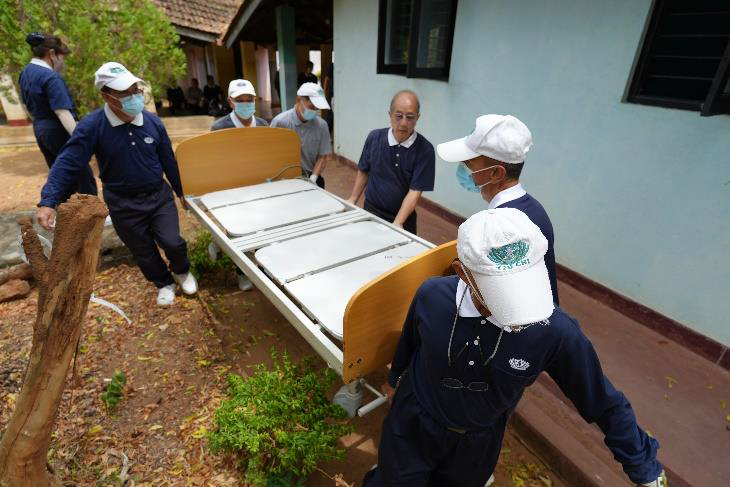
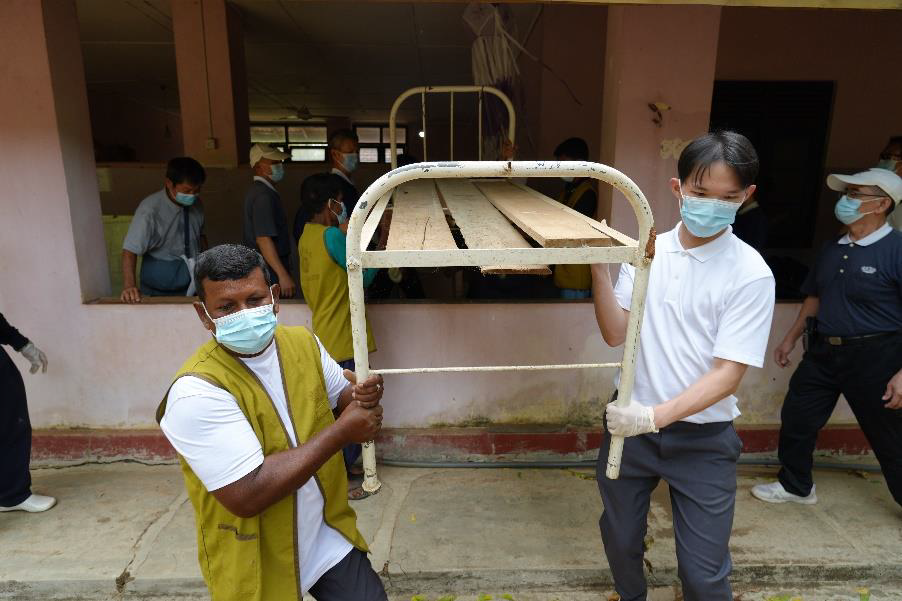
LEFT: Volunteers from Singapore set up medical spaces inside the hospital. RIGHT: Volunteers from Singapore and Sri Lanka worked together to prepare and set up the clinic. | Photos: Tzu Chi Sri Lanka
Comforting a young patient
Patients arrived seeking medical treatment, but many also found comfort in the reassuring gestures of the medical staff. Senumi, a four-year-old girl from Allagalla, arrived at the TCM section with her mother. Unable to walk since birth, Senumi came seeking relief. When she saw the acupuncture needles, she grew frightened and began to cry.
The attending doctor did not speak Senumi's language, but through gentle hands and a calm demeanor, the doctor slowly eased her fears. By the end of the acupuncture session, Senumi's tears had stopped, replaced by a soft smile.
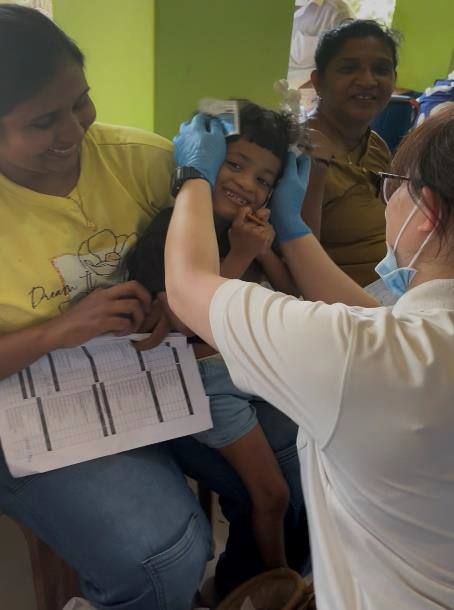
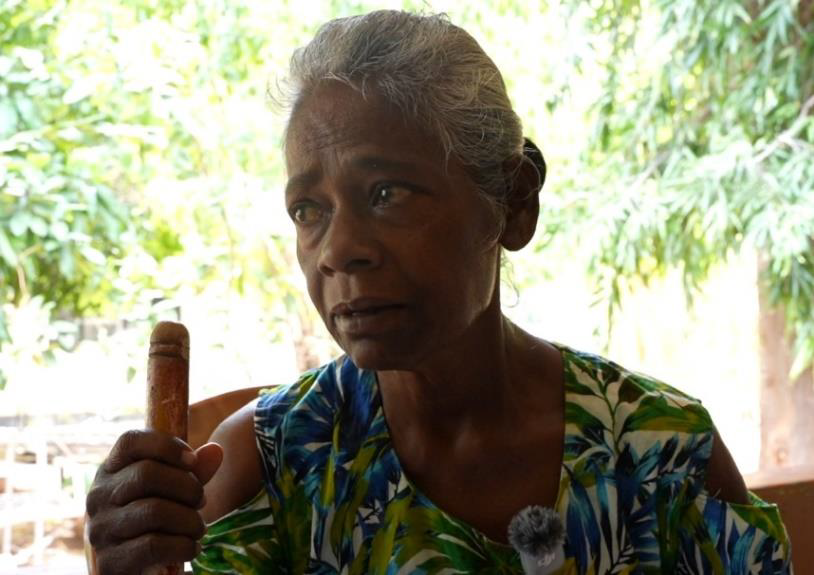
LEFT: Four-year-old Senumi smiles after receiving traditional Chinese medicine treatment, her fears eased by gentle care. RIGHT: Leelawathi expresses her heartfelt gratitude to Tzu Chi, her eyes filled with tears of appreciation. | Photos: Tzu Chi Sri Lanka
Restoring vision and dignity
Accessing specialized healthcare is particularly challenging for rural patients facing economic barriers. The Eye Clinic at the medical camp provided a vital opportunity for residents to have their vision examined and receive guidance on further treatment. Out of the 4,682 patients treated over the three days, 1,534 were seen at the Eye Clinic alone, with others receiving care in TCM (1,146), GP (1,069), and Dental (933) departments.
H.A. Leelawathi, a 65-year-old resident of Weerawila, stood in the long queues outside the Eye Clinic early in the morning. Living alone, Leelawathi has faced considerable hardship since losing her income from a garment factory in 2022. She manages diabetes and recently suffered a stroke that impaired her mobility. During her consultation, doctors diagnosed her with cataracts and advised her on the next steps for her care. Overcome with emotion, Leelawathi expressed her gratitude for the international team that traveled so far to serve her community.
The quiet force behind the scenes
The success of the three-day clinic relied heavily on the volunteers who managed the logistics. Teams managed crowd control to keep the long queues orderly under the sun, while others ensured medical equipment was distributed to the correct stations. A dedicated cooking team prepared meals for the medical staff and volunteers, sustaining them through long shifts.
Volunteers from NUHS, KTPH, and various Tzu Chi chapters worked side by side with local Sri Lankan residents. They managed registration, assisted with translation, and guided patients through the hospital grounds, creating an environment where patients felt respected and supported.
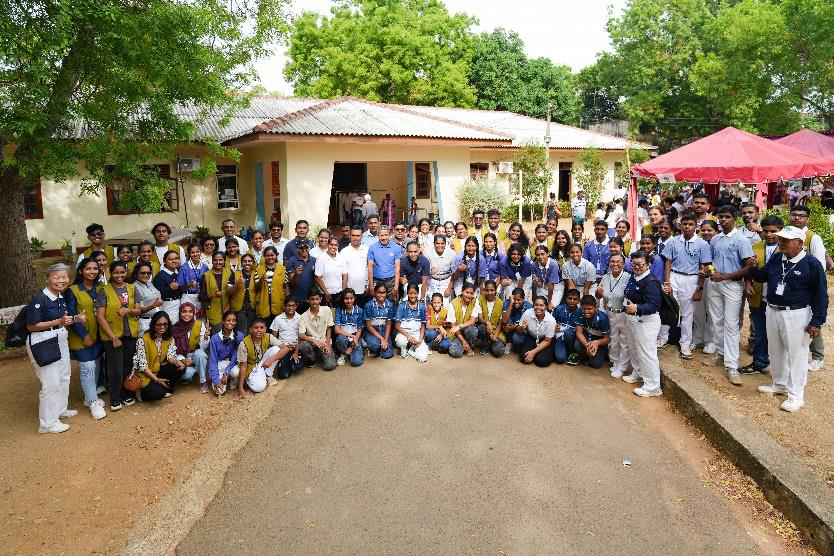
By the evening of August 9, thousands of individuals had received the medical attention they needed. The Lunugamwehera medical camp provided treatments that eased physical ailments, while the respectful and practical approach of the medical teams offered patients a renewed sense of comfort. Through the combined efforts of international and local teams, the clinic demonstrated how practical, targeted charitable relief can support communities in need.
Written by Sandali Dodampe
