


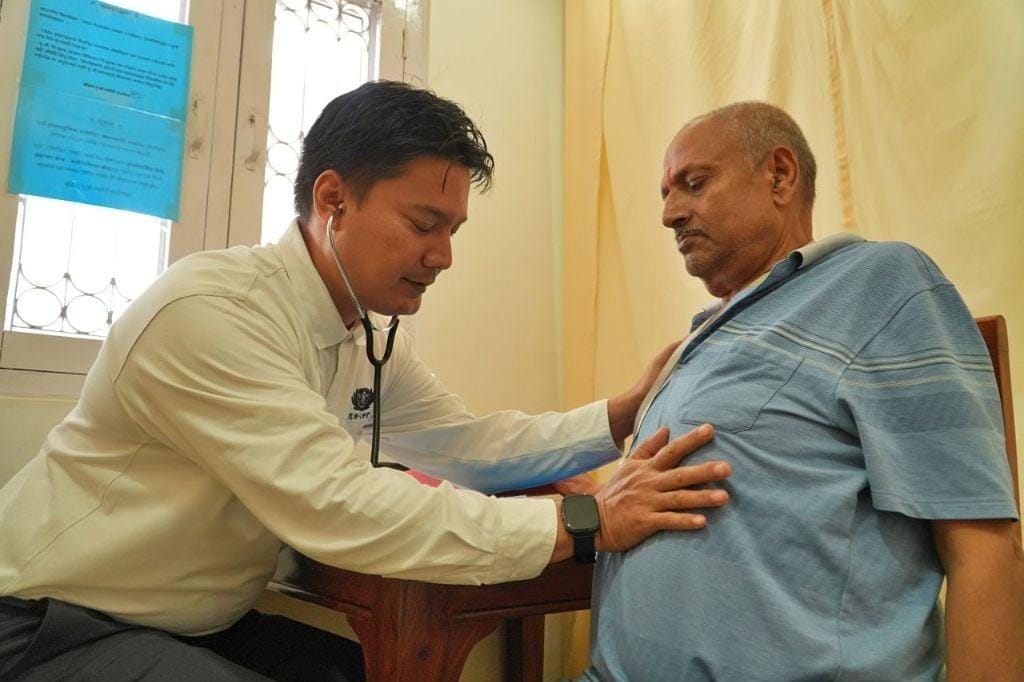
In Kathmandu, Nepal, a free medical clinic has quietly become a sanctuary for those struggling with illness and financial hardship. On August 11, 2026, the clinic marked its 110th session. What started as a small initiative on the ground floor of a local doctor's home has evolved into a vital community resource, where the healing process extends far beyond physical treatment.
Finding care and community
For 62-year-old Bhawani Shrestha, the clinic has been a lifeline. Widowed after her husband passed away from alcoholism, and with her daughter married and living in India, Bhawani lives alone. She relies on a small roadside business and a modest quarterly government stipend of 8,000 rupees (about 60 USD) to survive.
In June 2025, a severe stroke left the right side of her body paralyzed. Unable to afford the mounting medical bills, she was introduced to the free clinic by a friend. After nearly a year of consistent care and medication for diabetes and high blood pressure, her health has significantly improved. Regaining her mobility, she can now manage her roadside business again. Beyond the medical treatment, Bhawani notes that the clinic provided her with a profound sense of belonging and support during her most vulnerable moments.
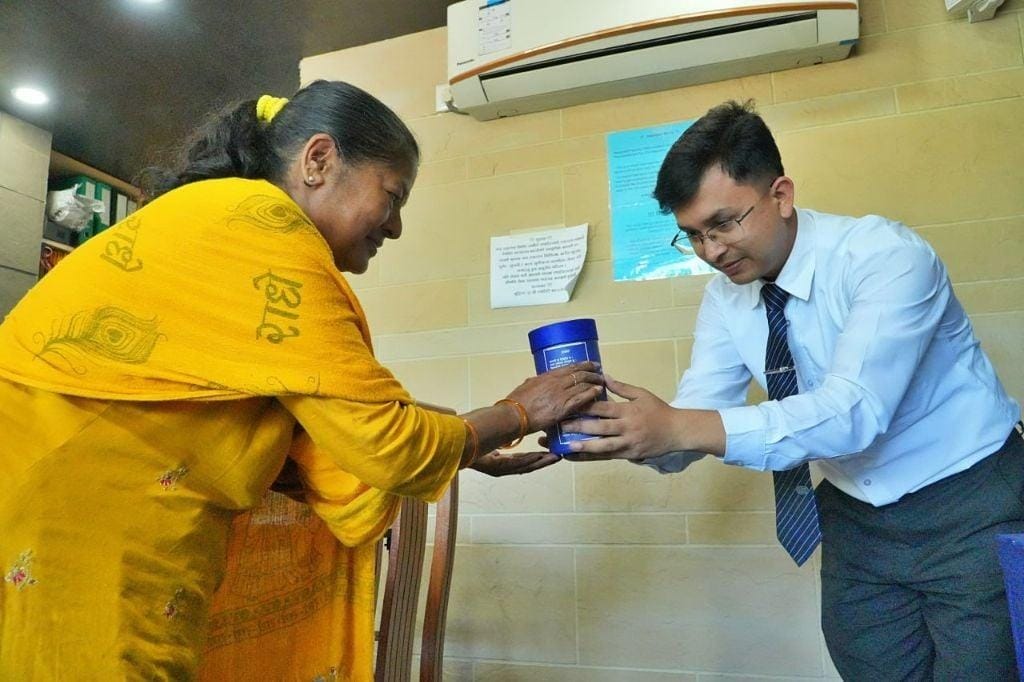
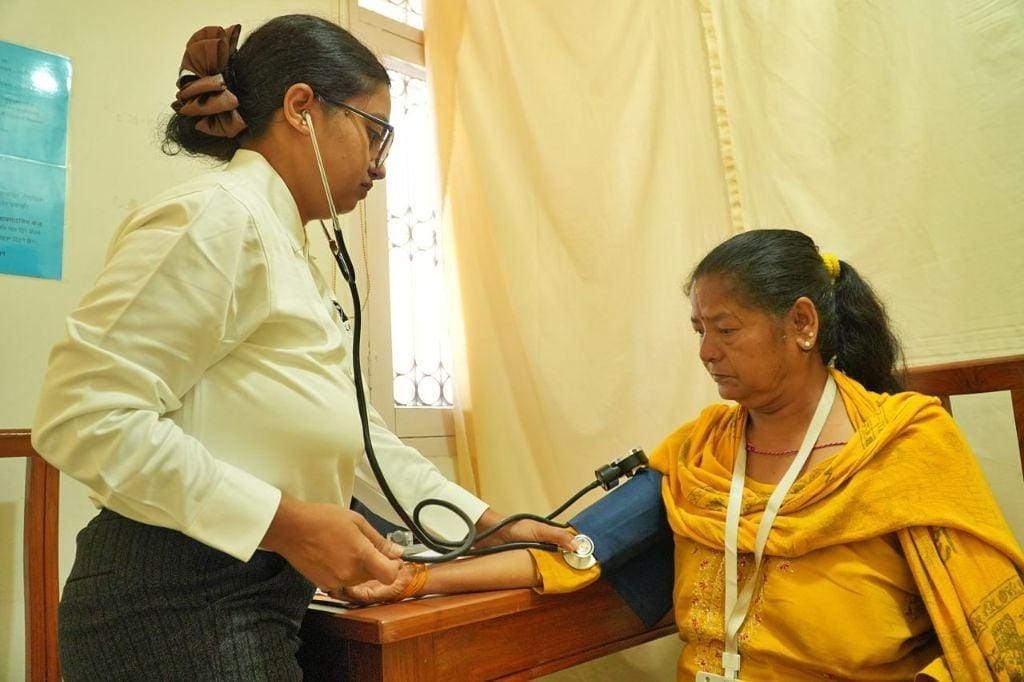
LEFT: Bhawani Shrestha (left) drops coins into a bamboo bank, wishing to help those who are in even greater need. RIGHT: Having recovered her mobility, Bhawani (right) is grateful for the care and a sense of belonging. | Photos: Ramesh
The clinic also serves as a safe haven for those facing social isolation. Nem Khadgi recently visited for the first time, seeking help for high uric acid and blood pressure. The doctor administered a pill to lower his blood pressure, and within half an hour, his condition stabilized. Impressed by the efficiency and supportive environment, Nem promised to return.
He was encouraged to visit by his wife, Nari Maya Shakya, who has been coming to the clinic regularly. Their marriage is considered an intercaste union—a significant social barrier in their community, as the Khadgi surname is historically associated with the butcher caste. Facing societal rejection, they often struggle to find spaces where they are accepted. Nari Maya has suffered from severe depression since the devastating 2015 Nepal earthquake. However, since beginning her treatment at the clinic, she has found emotional relief. Her reliance on medication has decreased, and her overall mental well-being has visibly improved.
From receiving to giving
The supportive atmosphere of the clinic frequently inspires its patients to give back. After suffering from an illness, Suresh Ranjit visited the clinic on the recommendation of relatives. Over the course of three weeks, his condition steadily improved. During a follow-up visit, he noticed that the medical staff were incredibly busy and short on volunteer support. He immediately asked if he could assist.
Given permission to help, Suresh took on the task of organizing the patient queue. He carefully crafted and laminated number cards to streamline the process for the pharmacist and the waiting patients.
Writing numbers on paper is troublesome because they have to be rewritten next time. It is better to make them from 1 to 200 all at once and laminate them so they are waterproof. I feel very happy making these number cards. Because I receive free medical care and medicine here, I want to learn from the founder and help others from the bottom of my heart. — Suresh Ranjit, Clinic Patient and Volunteer
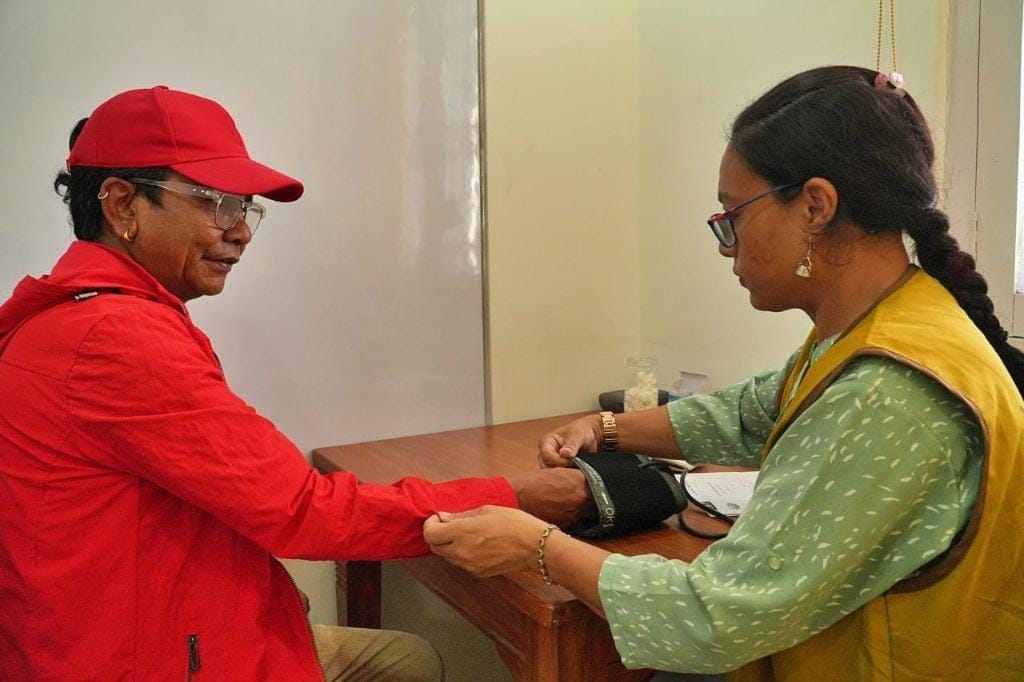
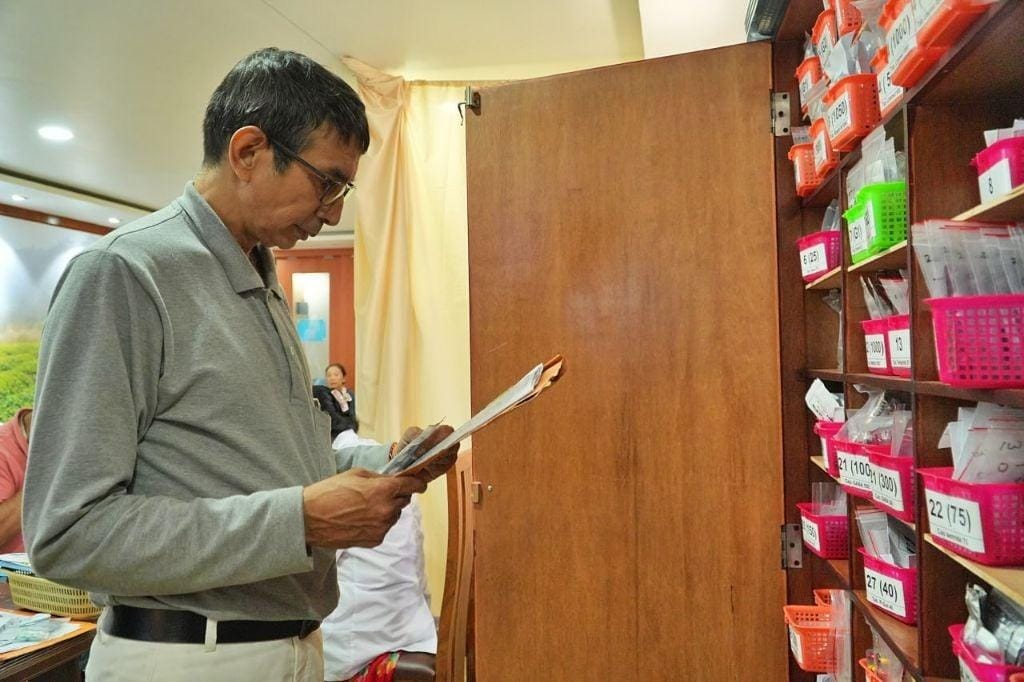
LEFT: Nem Khadgi (left) appreciates the efficiency and supportive environment during his first visit to the clinic. RIGHT: Suresh Ranjit prepares laminated number cards for patients, finding joy in giving back to the clinic. | Photos: Ramesh
Overcoming initial doubts
The clinic’s journey to community acceptance required patience. Dr. Nirdesh Shakya, who offered the ground floor of his home for the clinic, noted that early attendance was low. Many residents in the surrounding neighborhood were unfamiliar with the organization and initially assumed it was a religious mission. However, as patients experienced the purely humanitarian nature of the medical care, word quickly spread.

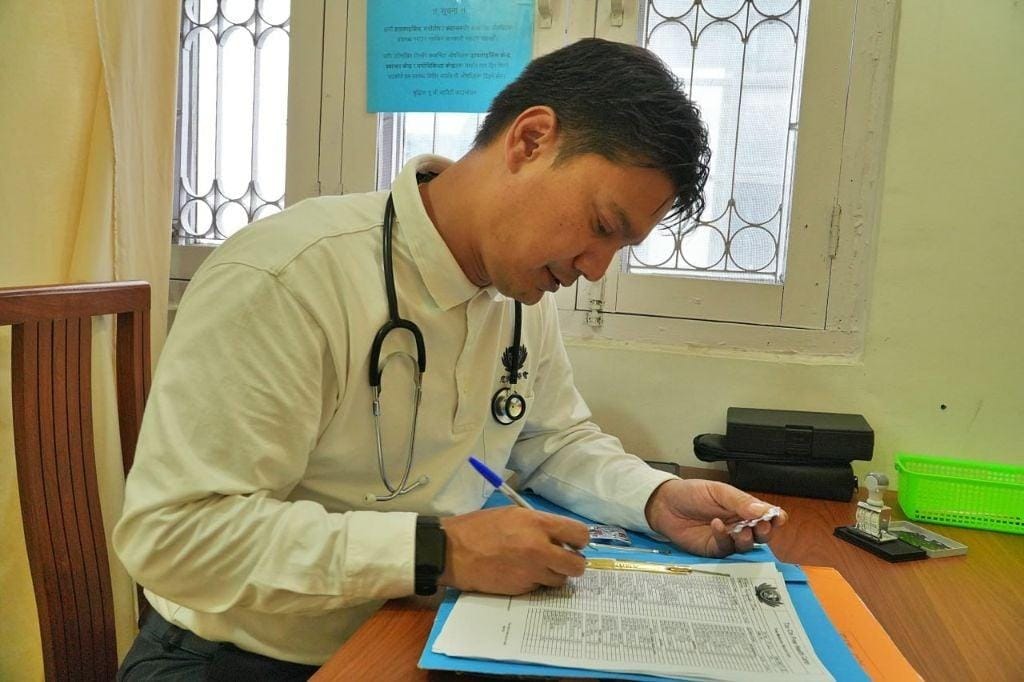
LEFT: Patients said the medicine provided by Tzu Chi could cure them, while the same medicine they bought elsewhere wase ineffective. Dr. Nirdesh Shakya (left) said this is a typical day at the free clinic. RIGHT: Dr. Nirdesh Shakya, who practices frugality, designs prescriptions, purchases medicines himself, teaches volunteers to identify drugs, and established a comprehensive drug management system. | Photos: Ramesh
Today, the clinic boasts a roster of over 100 volunteers, and remarkably, 80 percent of them are former patients. These individuals, once seeking treatment, now dedicate their time to guiding others through the medical process.
The compassionate approach of the medical team has also earned official support. When Deepak KC, Chief of the Health Department for the Kathmandu municipality, visited the site, he was moved by how the medical staff treated patients with the utmost respect and care. This led to official approval for the clinic to continue its operations, serving as a model for community healthcare.
Expanding the circle of care
While Kathmandu is Nepal's capital, a large portion of its population falls into a vulnerable middle class. Many own small properties but struggle with low or unstable incomes. A sudden illness can force families to sell their homes or land to cover medical expenses. By providing free medications and consultations, the clinic helps prevent these families from falling into deep poverty.
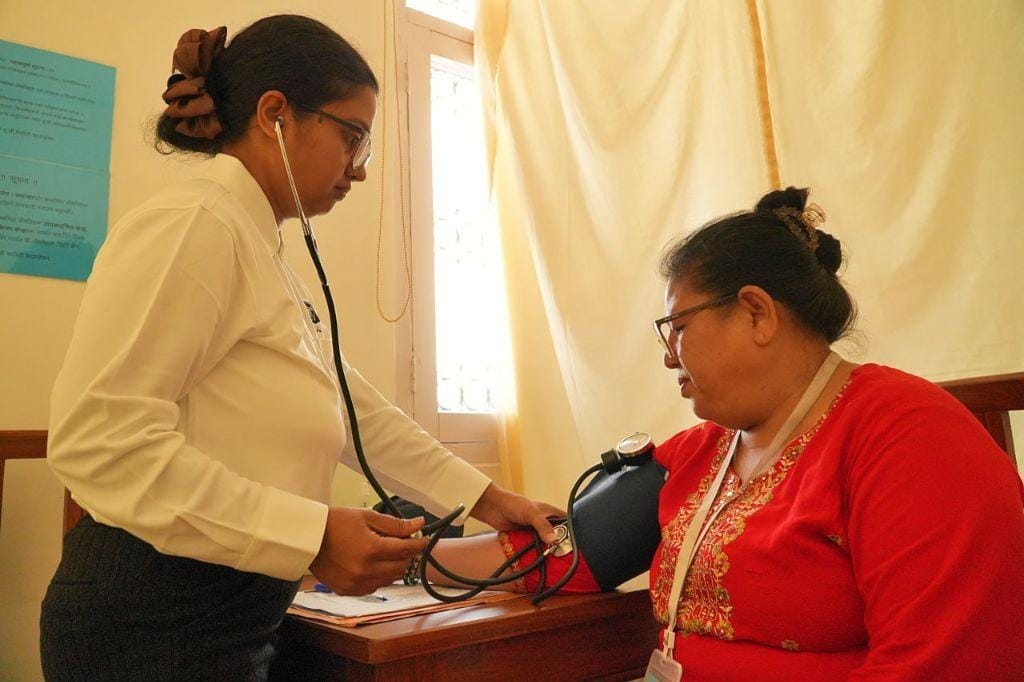
The spirit of generosity is contagious. Many patients, despite their own financial constraints, find ways to contribute. Some donate small sums of money saved from their daily meals, while others bring biscuits or rice to share. Other local medical professionals, initially skeptical of a free clinic in their vicinity, have visited and expressed a desire to volunteer their own time and skills after witnessing the profound impact on the community.
Through simple acts of care, the Kathmandu free clinic continues to heal physical ailments while fostering a strong network of mutual support and compassion.
Written by Jennifer Pai (白如璐)
