


In the Philippines, cataracts are often seen as a disease of poverty. While the condition is highly treatable, the cost of surgery—ranging from 25,000 to 80,000 pesos per eye—puts it out of reach for many families relying on daily wages. Despite the existence of a national health insurance system, out-of-pocket expenses for consultations, tests, and surgical materials remain high. Over time, the slow loss of vision strips away independence and livelihoods, forcing drivers, construction workers, and vendors out of work. Household incomes drop, and children are often forced to halt their education. To address this urgent need, the Buddhist Tzu Chi Medical Foundation is expanding its free eye care services from Manila to Southern Luzon, ensuring that fewer people have to wait in darkness.
Seeking care amid disruption
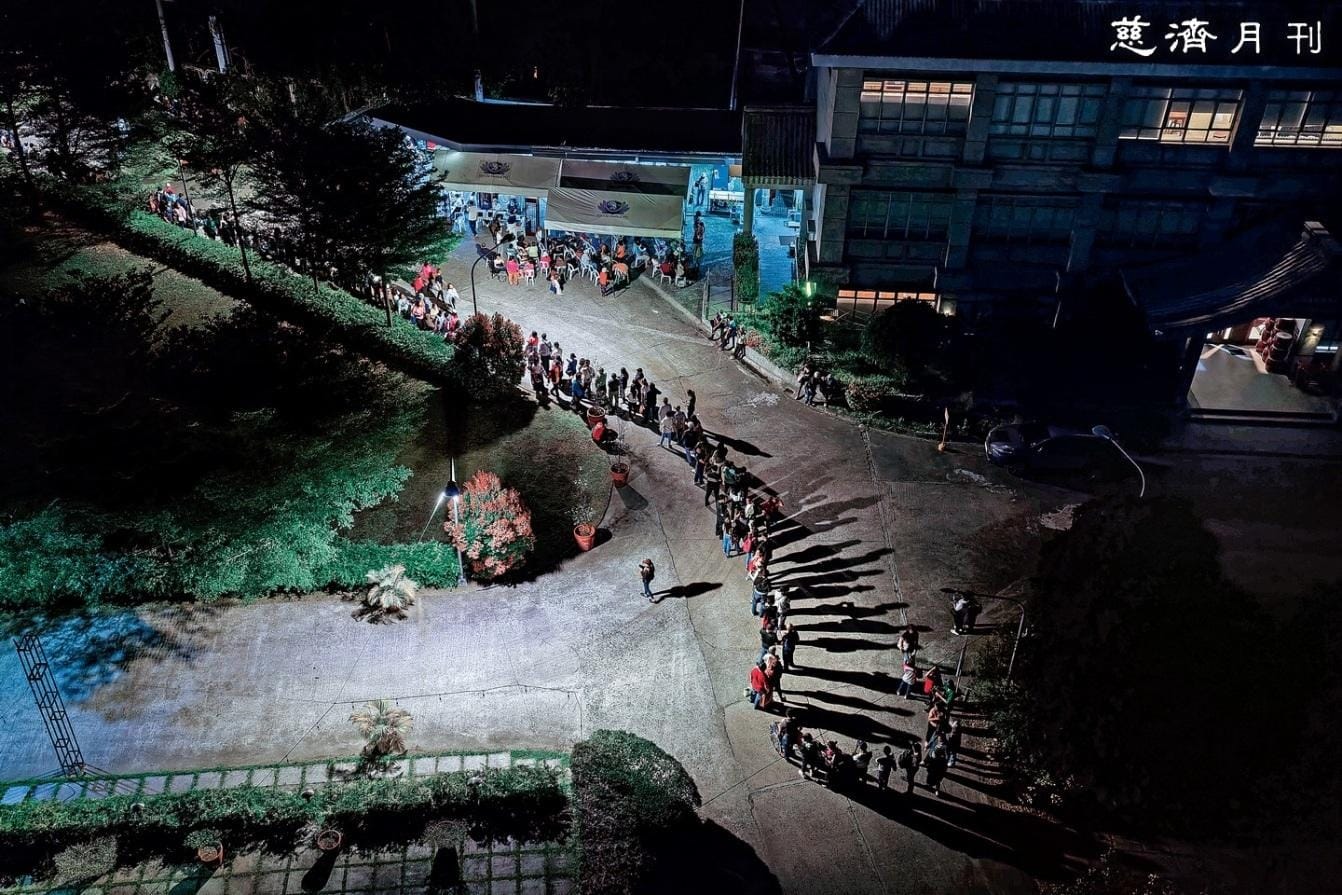
On March 20, 2026, a public transportation strike paralyzed Manila. Yet, by 3:00 a.m., a large crowd had already gathered outside the Tzu Chi Eye Center in Sta. Mesa. That day, 537 patients arrived for a quarterly screening program designed to accommodate high patient volumes on national holidays. Among them, 260 required surgery, with the vast majority suffering from cataracts caused by aging, poor diabetes management, and intense sun exposure.
We are old, but as long as we are alive, we want to see this world. I don't want to be a burden to my children, so I must regain my sight. — Rolando Martinez, 78-year-old former swimmer
The quarterly screenings allow family members to accompany elderly relatives without taking time off work, a practical adjustment noted by Dr. Susan Lim (林素山), Deputy Medical Director of the eye center. Patients waiting included individuals like 45-year-old logistics worker Sta. Maria Libertine, whose six-year battle with cataracts forced her to press her face against computer screens just to work. Arnel Porcincula, 53, who had been unable to work for five years due to vision loss, was also eagerly awaiting surgery to reclaim his livelihood.
A family's reunion with sight
For 81-year-old Buenvinido Marco, a farmer from Silang, Cavite, vision loss was a 14-year ordeal. Despite developing cataracts in 2010, he continued to weed his fields, relying entirely on the guidance of his wife, Carmen.
My children wanted to borrow money for his surgery, but he firmly refused. He said the money we earn is only enough for the family to eat.
— Carmen, Wife of Buenvinido Marco
The family's challenges compounded when Buenvinido's 61-year-old daughter, Visitacion, and his brother, Antonio, also went blind from cataracts. When Antonio's daughter, Anita, sought medical help, she was told the surgery would cost 30,000 pesos per eye. The family returned home in despair.
I even thought of buying a rope and ending my life on a tree. — Antonio, Patient
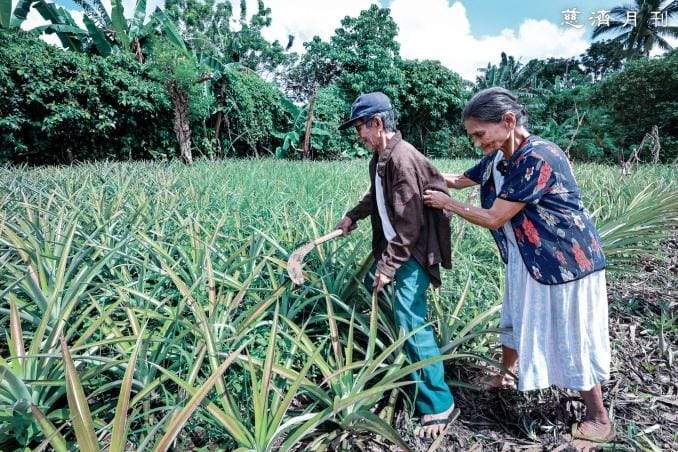
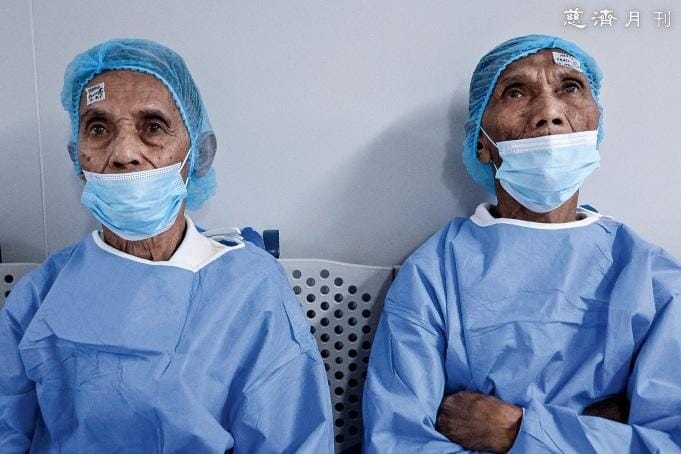
LEFT: Blind for 14 years due to cataracts, Buenvinido Marco is guided by his wife, Carmen, to their small farm. RIGHT: Buenvinido and his brother Antonio wait patiently for their cataract surgeries at the Tzu Chi Eye Center. | Photos: Jamaica Mae Digo
A friend who had previously received assistance connected the family to the Tzu Chi Eye Center. Following careful evaluations, doctors arranged for all three family members to undergo surgery on the same day. After years of darkness, they finally saw each other's faces again.
Reaching patients across provinces
For many patients outside Manila, traveling to the capital is a major barrier. Since 2022, the foundation has partnered with the local government of Dagupan City to provide biannual outreach services. Dagupan Mayor Belen T. Fernandez coordinates administrative logistics and patient transport.
On March 7, Raul Rodas, a 60-year-old former security guard, traveled with 60 others from Dagupan at 1:00 a.m. to reach Manila by dawn. Forced into early retirement four years ago because he could no longer read duty logs, Raul wept when his vision was restored.
To ensure efficient service, Dr. Gina Ang travels to Dagupan weeks in advance to evaluate patients' fitness for surgery. Following the procedures, Dr. Bernardita Navarro, the Medical Director, drives five hours to Dagupan for post-operative care.
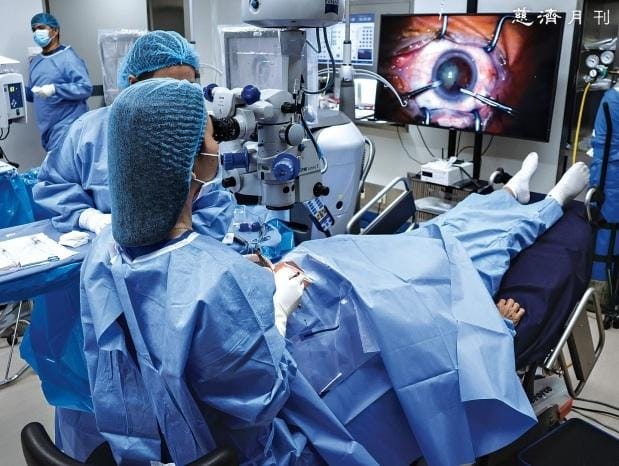
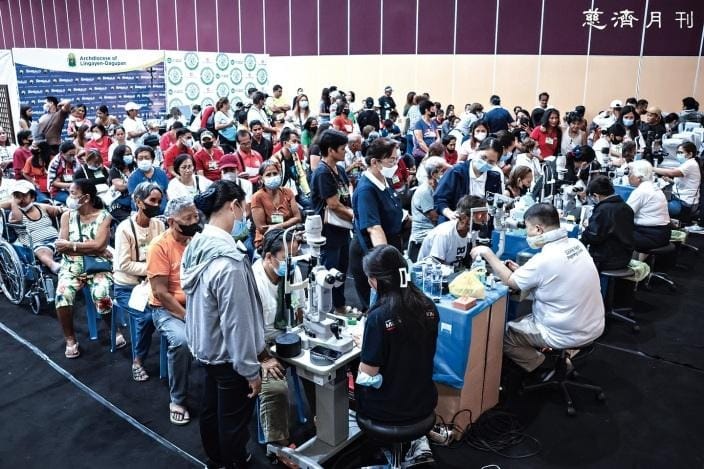
LEFT: All doctors volunteer their services. Donors provided a special surgical bed to comfortably accommodate patients with spinal issues. RIGHT: Since 2022, Tzu Chi has partnered with Dagupan City, traveling four hours from Manila to provide eye care for residents. | Photos: Jamaica Mae Digo
The power of a prescription
Not every patient can regain perfect vision, but even small improvements can be life-changing. Nelo Bool, a 64-year-old farmer from Mindoro, arrived at the clinic a day early with his granddaughter, Ruby Jean. Dr. John Arnel Solamo diagnosed Nelo with highly myopic macular degeneration, a condition that surgery could not fix.
Refusing to give up on him, Dr. Adrianne Lim (蔡愛玲) conducted extensive optometry tests and prescribed a specialized pair of 2,000-degree glasses. When Nelo tried on the test lenses, he could finally see the numbers on the wall and his granddaughter sitting across the room.
This vision is a gift from Tzu Chi. This is a tremendous help to me—even if my vision stays clear for only one year, it means a lot. I can go back to work and help support my family, especially my two grandchildren who are still studying. — Nelo Bool, 64-year-old farmer
The customized glasses were mailed to Nelo weeks later, providing him with a renewed sense of purpose and the ability to navigate his daily life.
Expanding care to Southern Luzon
Since its inception in 2007, the Manila Eye Center has served nearly 190,000 patients and completed over 25,000 surgeries, all free of charge. Operating entirely with volunteer doctors, the center provides top-tier medical care supported by public donations.
Many patients regain their sight and ask us how much we are paid. I tell them we are all volunteers, and the smiles of the patients are our best reward. — Alfredo Li (李偉嵩), CEO of Tzu Chi Medical Foundation Philippines
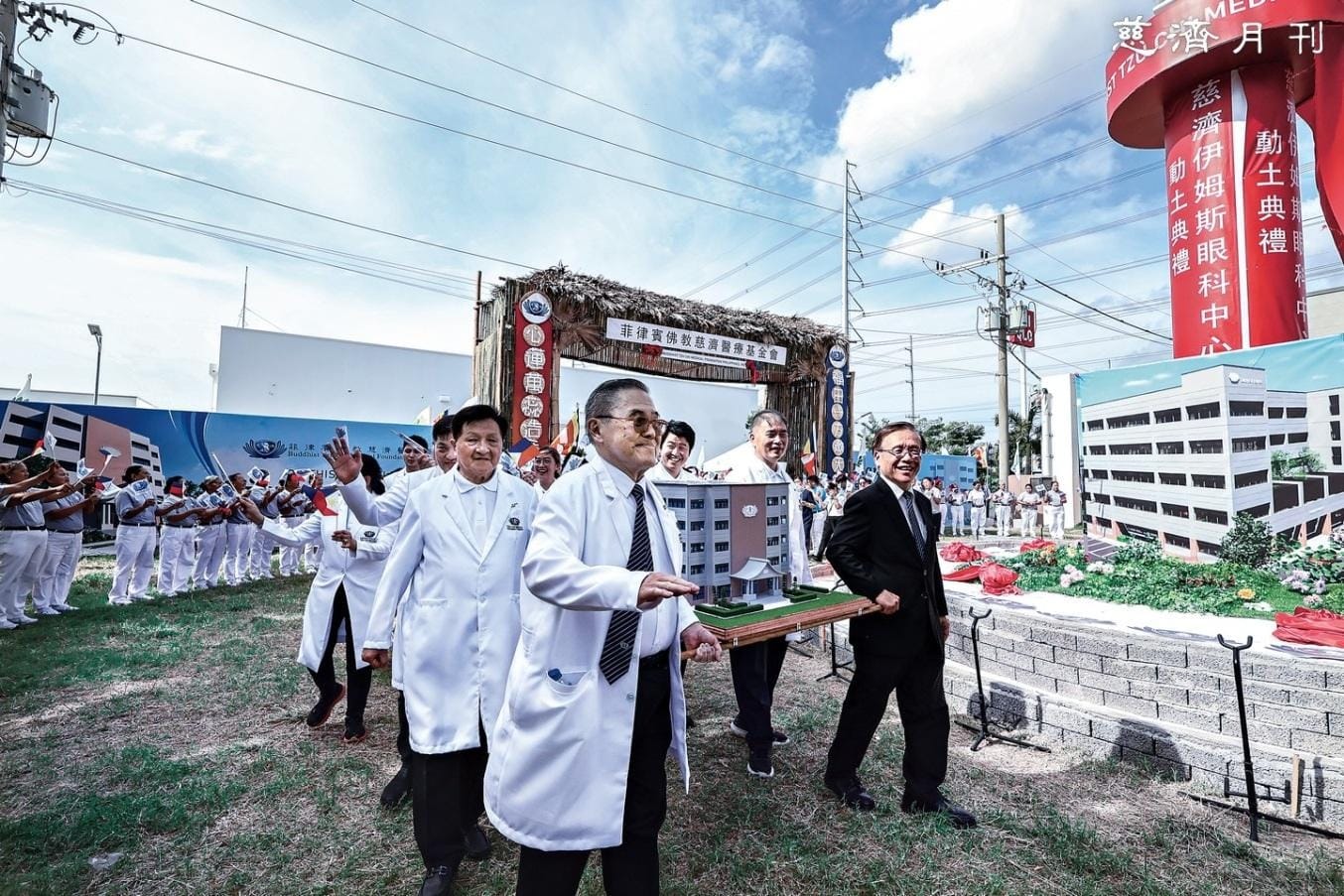
With the Manila facility reaching capacity, a new chapter began on May 31 with the groundbreaking of the Tzu Chi Imus Eye Center (TCIEC) in Cavite. The land was donated by Carlos Chan (施恭旗). Slated for completion in two years, the five-story facility will serve the densely populated regions of Southern Luzon, bringing advanced, accessible eye care to those who need it most.
Written by Jamaica Mae Digo, Marithel Valiente
