


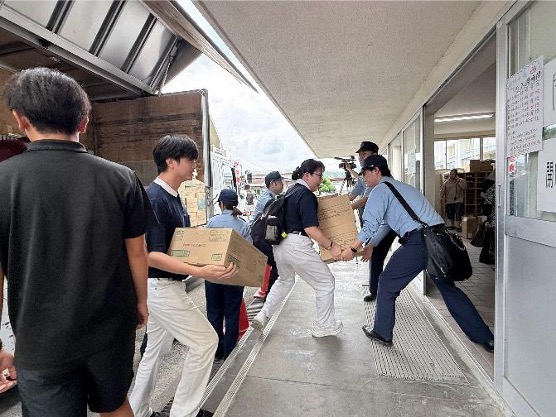
As the sweltering heat of summer beat down, an octogenarian grandmother stepped out of a temporary bathhouse with a look of pure relief. To anyone else, a shower might be a mundane task, but for residents displaced by the recent Kumamoto earthquake, it was a vital step toward reclaiming a sense of normalcy. In the wake of disaster, simple things—a warm bath, a fresh banana—become profound sources of comfort.
By early August, the earthquake in Kumamoto, Japan, had claimed 38 lives and left 17 people severely injured. While some residents have begun returning home, 7,646 people remain displaced across 146 shelters, and roughly 44,000 households are still without running water. The immediate shock of the disaster has passed, but the arduous journey of rebuilding daily life is just beginning.
Meeting vital nutritional needs
Recognizing the evolving needs on the ground, a disaster assessment team traveled to the heavily impacted towns of Hikawa and Uki to evaluate the situation. Before heading to the shelters, they met with Peace Winds, a Japanese emergency relief organization. This meeting provided valuable insights into the current state of the disaster zone. While the supply of drinking water had stabilized, water for everyday use—bathing, laundry, and basic cleaning—remained critically scarce.
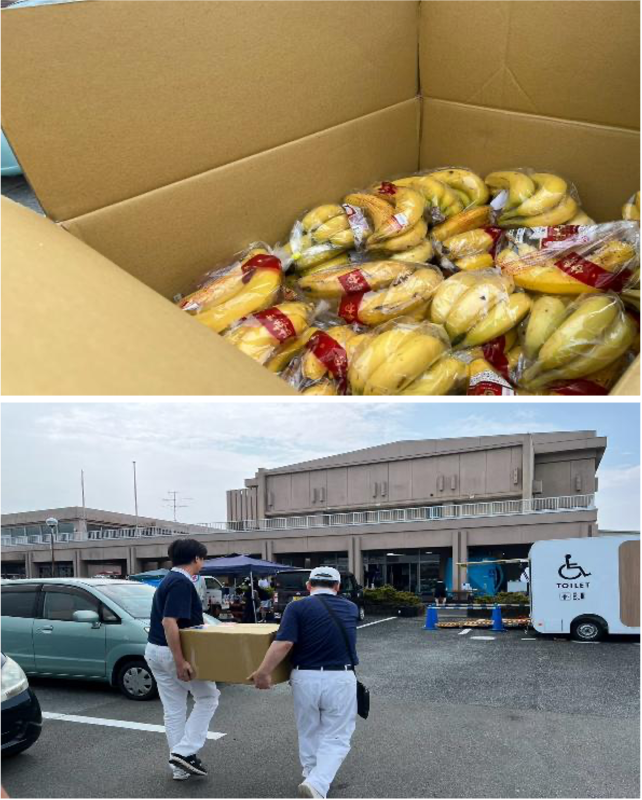
The needs of the survivors are slowly shifting from basic sustenance to balanced nutrition and specialized care for the elderly. The day prior to the visit, officials at the Kagami Community Center shelter in Yatsushiro City mentioned a shortage of fresh fruits and vegetables. Acting quickly, the assessment team purchased 150 bananas and delivered them by noon the following day. Shelter staff expressed immense gratitude for the swift response, noting how quickly the fresh produce arrived after their initial request.
The comfort of a warm bath
At the Hikawa Junior High School shelter, which currently houses 106 people, the realities of displacement are clear. Among the residents are an elderly couple in their eighties, the Hidakas (日高), who sought refuge here after their home was damaged.
After the first earthquake, two large aftershocks struck in succession. We have no choice but to endure and keep going. — Mr. Hidaka, Shelter Resident
While basic food supplies at the shelter are adequate, the lack of running water has been a persistent challenge. To address this, Peace Winds collaborated with local businesses to construct temporary bathhouses on the school grounds. By filtering and heating water from the school's swimming pool, they created a sustainable system that allows residents to bathe daily.
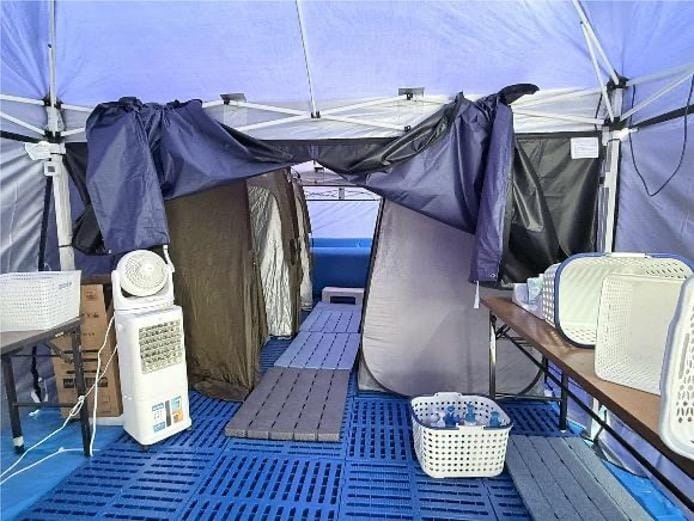
On a single day, approximately 170 people utilized the facility, many of them are young children and seniors over the age of eighty. For the elderly grandmother who emerged from the bathhouse, the experience was rejuvenating. She shared that she had not been able to bathe for a full week, and washing away the exhaustion in the midst of a relentless heatwave brought her immense relief.
Planning for a long recovery
Through observations and discussions with local groups, it has become evident that the relief phase is transitioning. The focus is no longer solely on immediate rescue, but on shelter management, public health, and improving the overall living conditions for those who remain displaced.
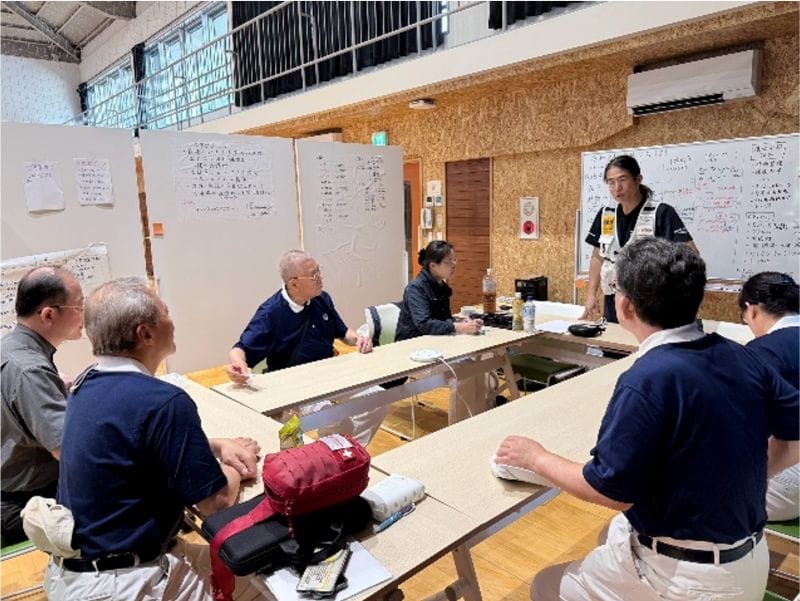
Later in the day, the assessment team met with Hikawa Town Mayor Kazuomi Fujimoto (藤本一臣). Mayor Fujimoto noted that the impact of this recent earthquake on Hikawa is even more severe than the devastating tremors that struck Kumamoto ten years ago. He emphasized that caring for the residents is the top priority as they face a long road to recovery.
Mayor Fujimoto also reflected on the enduring connection between Taiwan and Kumamoto. He recalled the assistance Taiwan provided a decade ago and mentioned that Kumamoto residents had recently raised funds to help Taiwan following the April earthquake in Hualien. It is a cycle of mutual care that continues to support communities in their darkest hours.
As the team continues to assess needs in Uki and coordinate with local governments, the focus remains on practical, timely support. With 200 Jing Si privacy partition tents having arrived in Fukuoka, plans are actively being made to ensure that the next phase of aid reaches those who need it most, helping them find stability as they rebuild their lives.
Written by Yu-Chen Pan (潘俞臻)
