


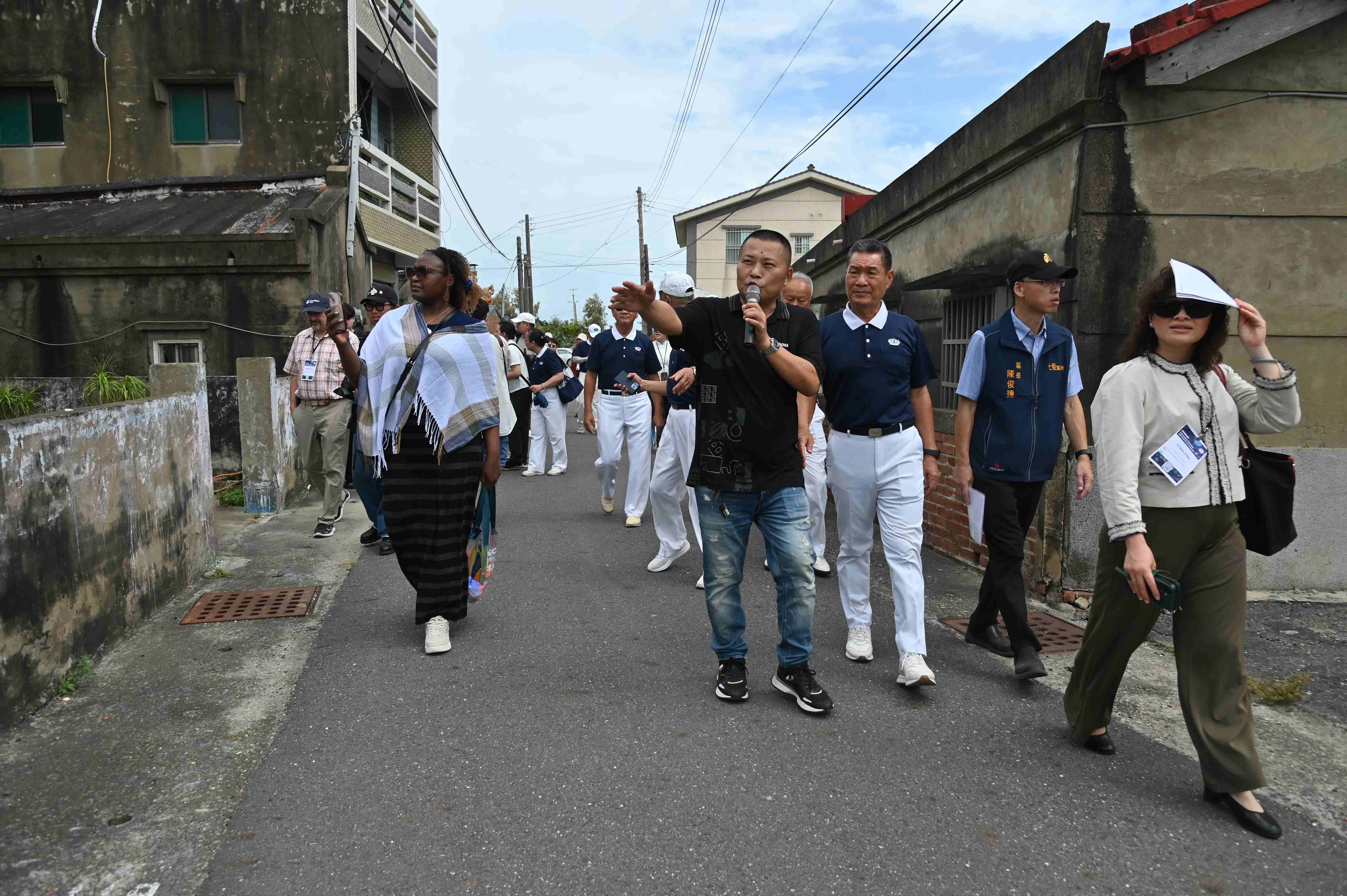
In the wake of natural disasters, the true measure of recovery often lies not just in rebuilt structures, but in the renewed sense of security among those affected. On July 16, 2026, an international delegation from the Belmont Forum DR3 CRA (Disaster Risk Reduction and Resilience Collaborative Research Action) workshop, organized by Academia Sinica’s southern campus, traveled to Tainan to observe exactly how this security is restored at the community level.
Led by Shih-Chun Lung (龍世俊) and Shih-Yu Li (李時雨), Deputy Executive Secretaries of the Center for Sustainability Science at Academia Sinica, a group of eight experts and eleven scholars specializing in environment, disaster risk, and sustainable governance embarked on a field visit. They aimed to witness the on-the-ground recovery efforts following the 2025 Chiayi Dapu earthquake and Typhoon Danas. The goal was to bridge academic research with practical experience, allowing scholars to observe firsthand how local communities regain their footing after severe disruptions.
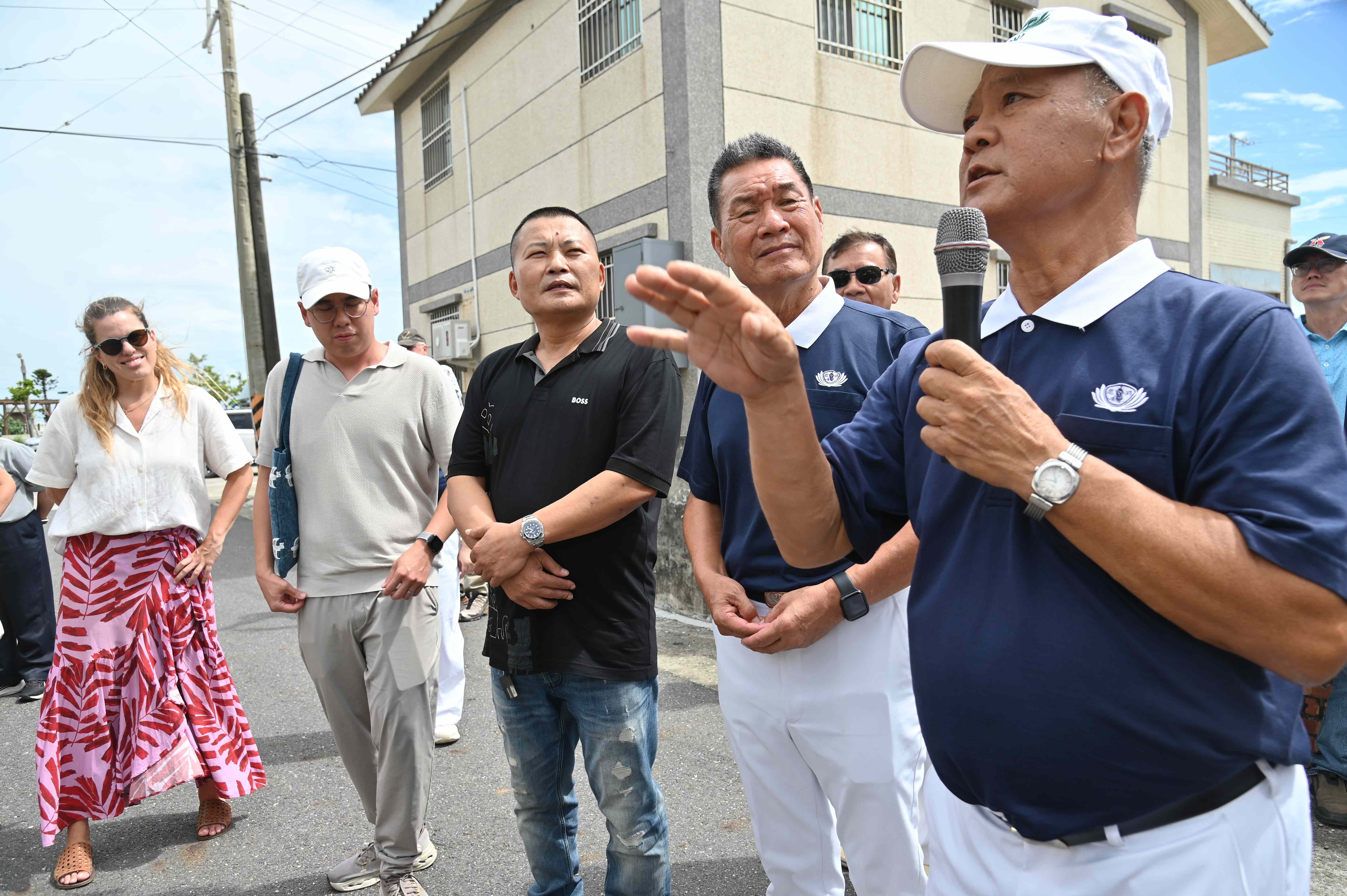
Accompanied by Yun-Ching Wang (王運敬), Director of the Tzu Chi CEO's Office, local volunteers, and a translation team, the delegation explored how non-governmental organizations coordinate with local authorities to facilitate pre-disaster preparation, emergency relief, and long-term reconstruction. By visiting sites in both the mountains and along the coast, the scholars gained a comprehensive view of recovery strategies tailored to distinct environmental challenges.
Securing homes in the mountains
The morning itinerary brought the delegation to the Nanxi District, starting at Green Park—a site that served as a government shelter and a volunteer service center providing hot meals immediately after the Chiayi Dapu earthquake. The group then traveled to Mizhi Village to inspect the permanent prefabricated homes built for families whose residences were compromised.
Chih-Chin Yang (楊智欽), the volunteer construction team leader, explained the practical challenges of rebuilding in the area. Due to narrow mountain roads that restricted standard construction equipment, the team utilized prefabricated components. These modules were manufactured off-site and then quickly assembled in the village. This approach significantly reduced construction time and minimized weather-related delays. The houses were designed with dual-layer, two-way reinforced concrete foundations and durable stainless-steel roofs, prioritizing safety while adapting to the local terrain. The swift construction meant that residents could transition from temporary shelters back into safe, permanent homes with minimal disruption to their lives.
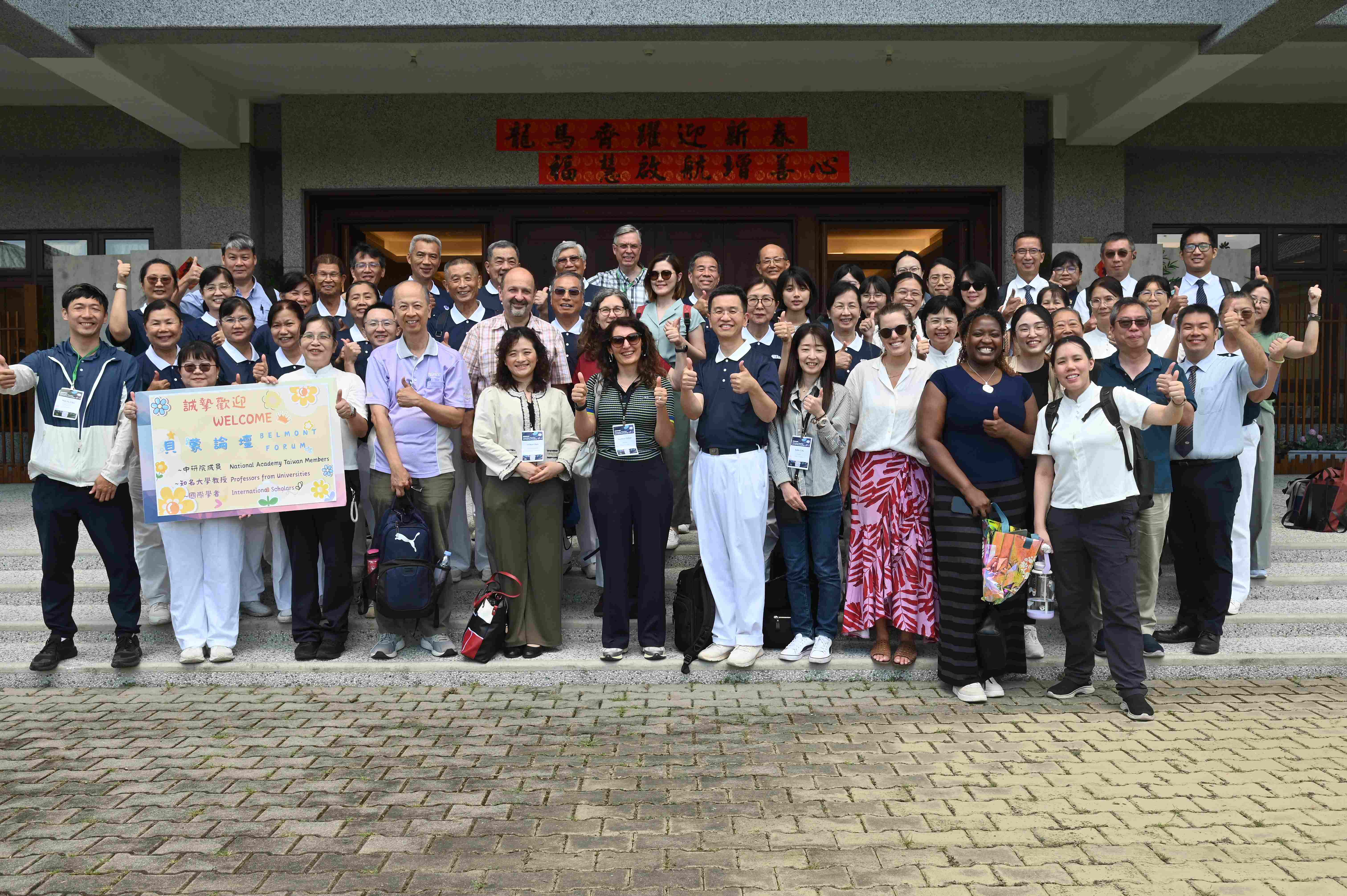
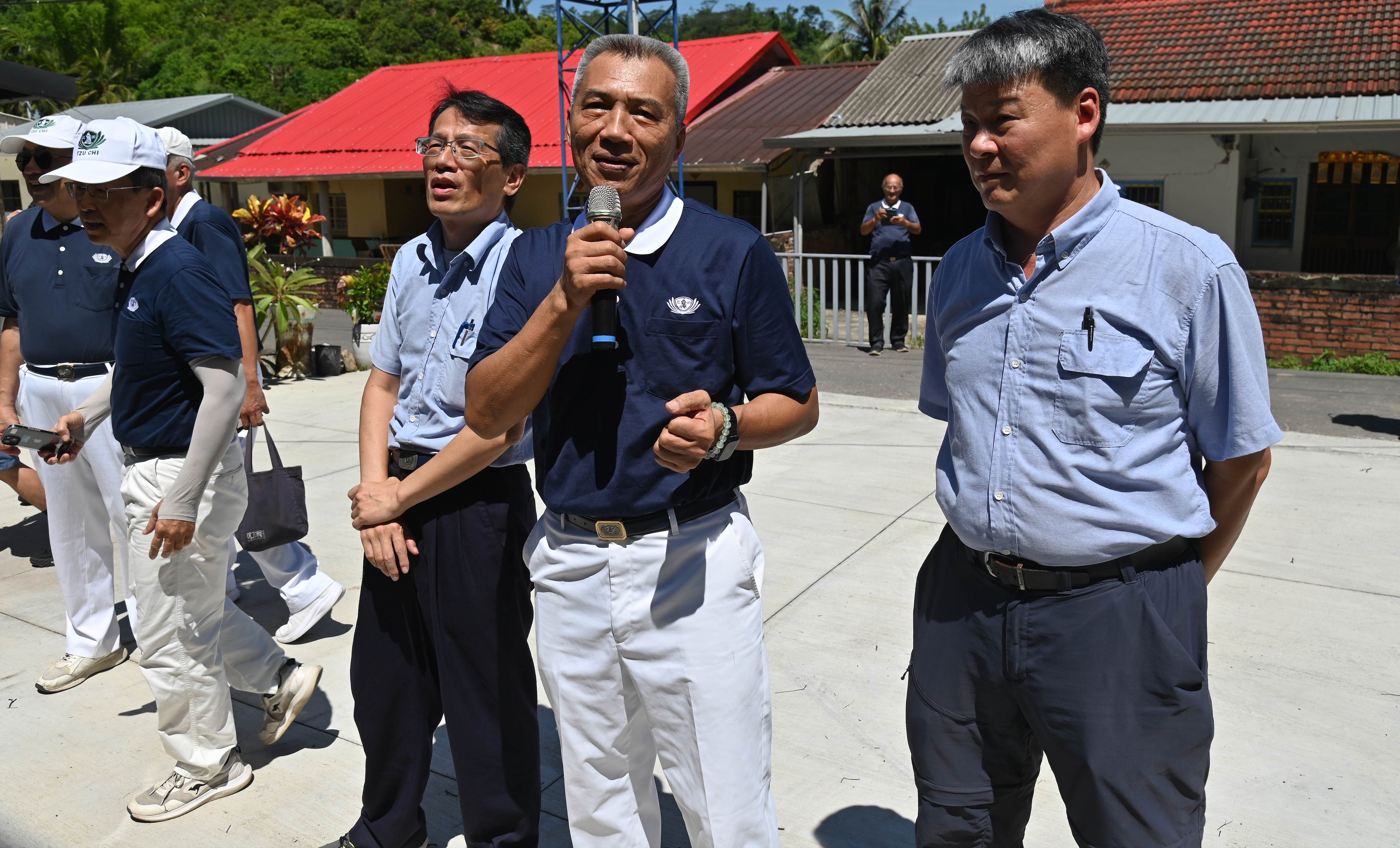
LEFT: Group photo of the delegation, taken outside the temporary shelter and volunteer service center at Green Park in Nanxi District. RIGHT: Volunteer construction team leader Chih-Chin Yang explained the practical challenges of rebuilding in the area. | Photos: Ming-Chuan Kuo and Yung-Chou Wang
Weathering coastal storms
In the afternoon, the scholars shifted their focus to Xiliao Village in Qigu District, an area heavily impacted by Typhoon Danas. Guided by District Executive Chun-Ta Chen (陳俊達), Village Chief Sheng-Chiang Ko (柯勝強), and local volunteers Chien-Yung Lin (林千用) and Chi-Li Pan (潘機利), the group walked through the community to see the results of extensive roof repair initiatives.
Recognizing the high physical risks associated with roof repairs, the work was outsourced to professional contractors to ensure both structural quality and the safety of everyone involved. Facing a shortage of labor and materials, organizers collaborated with local businesses to secure specialized building supplies. Because coastal homes are highly susceptible to salt corrosion and rust, the repairs utilized galvanized aluminum-zinc materials designed to withstand the harsh marine environment. Through these efforts, 37 households received vital roof repairs that aligned in construction method, color, and design, helping to restore the visual and structural integrity of the neighborhood.
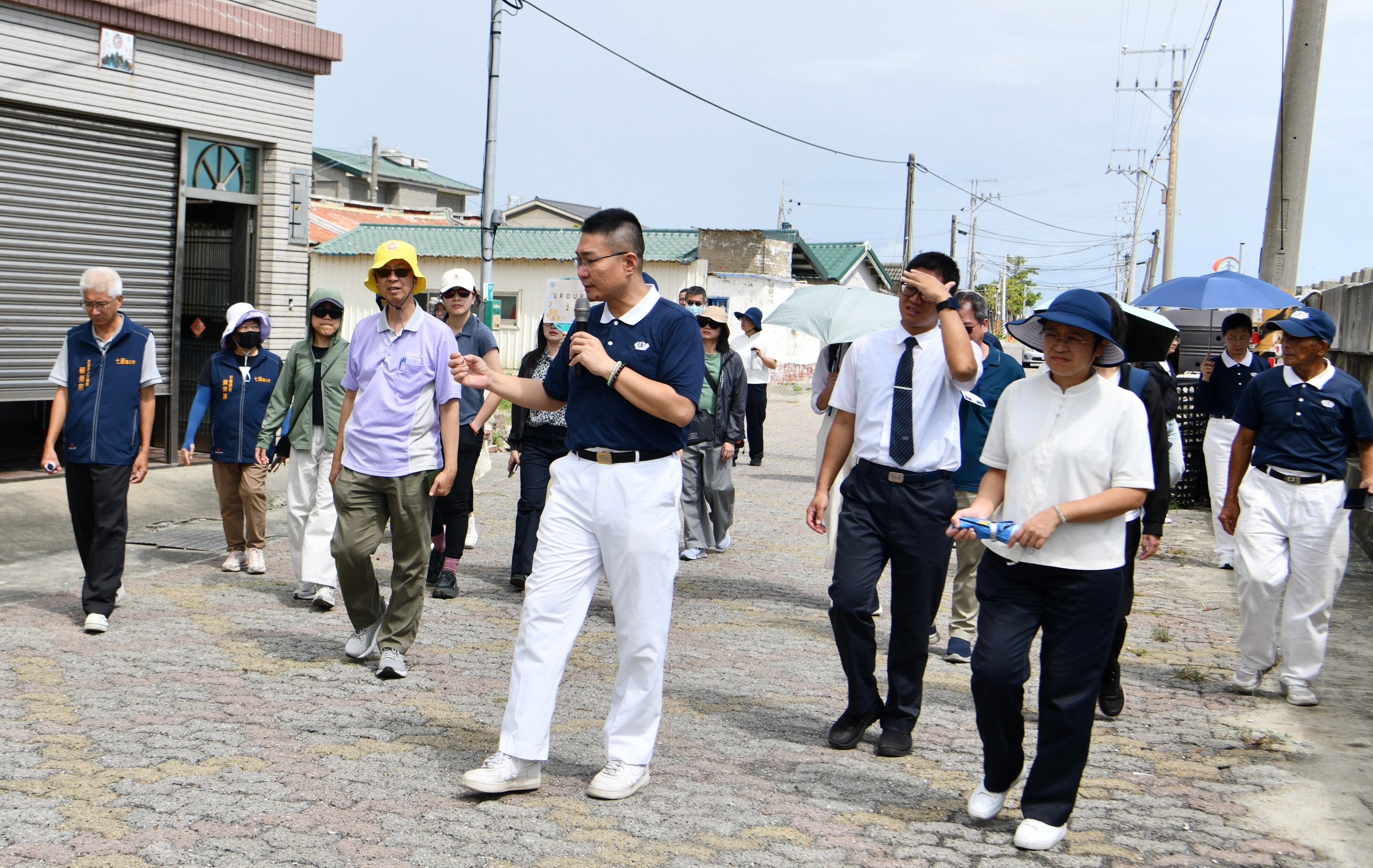
The impact of this work was most evident in the residents themselves. On a hot afternoon filled with strong sea breezes, elderly residents sat comfortably under their eaves. Smiling broadly as they greeted the visitors, their previous worries had visibly lifted. They shared their relief, noting how warm their homes felt and proudly pointing out that their new roofs were the most beautiful part of their houses. For the visiting scholars, these interactions demonstrated that practical repairs do more than fix buildings; they restore peace of mind.
Observing community resilience
The community-driven approach resonated deeply with the international observers. Abdullah Konak, an industrial engineering professor from Penn State Berks, noted the contrast between local community engagement and his own experiences in the United States.
The volunteers left a very deep impression on me. Their enthusiasm and sheer numbers are remarkable. In the United States, I work in food security, and we find it difficult to recruit volunteers for places like our food banks; the numbers keep dropping. In contrast, seeing such a highly active and willing volunteer team here is truly moving. — Professor Abdullah Konak, Penn State Berks
Professor Konak emphasized that this "bottom-up" model of disaster planning is highly effective at building long-term local resilience.
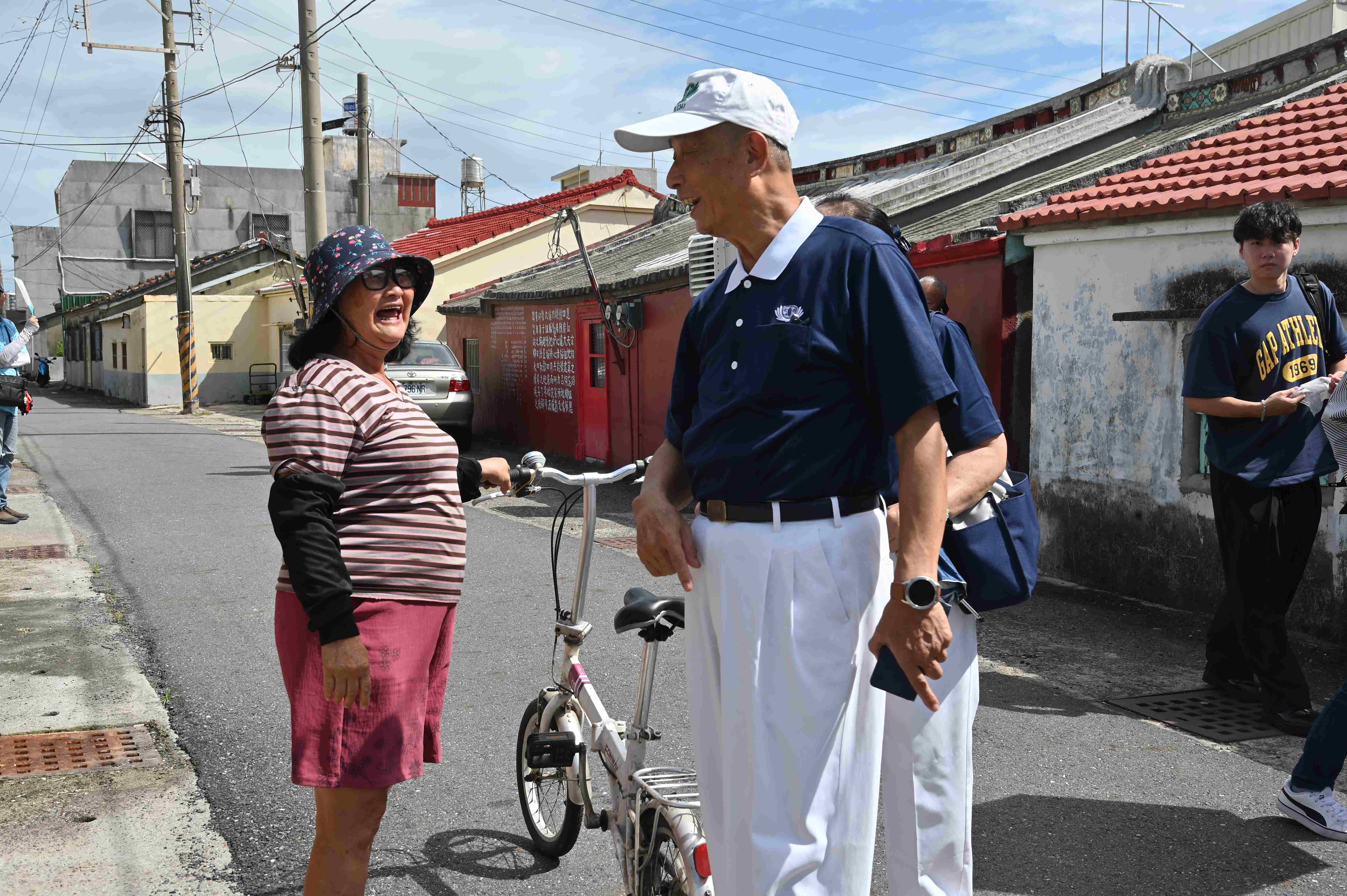
Local officials, including Chen and former Beimen District Executive Chien-Nan Lin (林建男), also shared their experiences with public-private partnerships. Lin pointed out that in an era of frequent climate-related disasters, government resources can be stretched thin. The immediate assistance provided by local groups helps bridge administrative gaps, offering flexibility and timely support. He stressed the importance of cultivating a mindset of self-help and mutual aid within neighborhoods, noting that when residents and community leaders mobilize to clear hazards immediately, overall recovery efficiency increases dramatically.
Through these firsthand observations, the visiting scholars witnessed a practical model of disaster governance. By prioritizing safe construction, adapting to local environments, and fostering community support, the recovery efforts in Tainan provided valuable insights into climate adaptation and sustainable rebuilding—lessons that the Belmont Forum can carry forward in global disaster risk reduction initiatives.
Written by Hsiu-Ling Wu (吳秀玲)
