


Book adoption centers in Penang and Melaka are breathing new life into discarded volumes, transforming what was once considered paper waste into a thriving community resource. From rare out-of-print titles to essential academic texts, these centers ensure that the journey of a good book does not end in a recycling bin.
Giving books a second chance in Penang
At 6:30 a.m. in George Town, Penang, the streetlights are still flickering as Yit-Lin Chong (張奕麟) parks his car on Beach Street. Before the road closes for the weekly "Occupy Beach Street" event, he rushes to set up a stall filled with second-hand books. Since 2017, the Tzu Chi Book Adoption Centre (BAC) has been a staple at this market, inviting passersby to "adopt" books through optional donations.
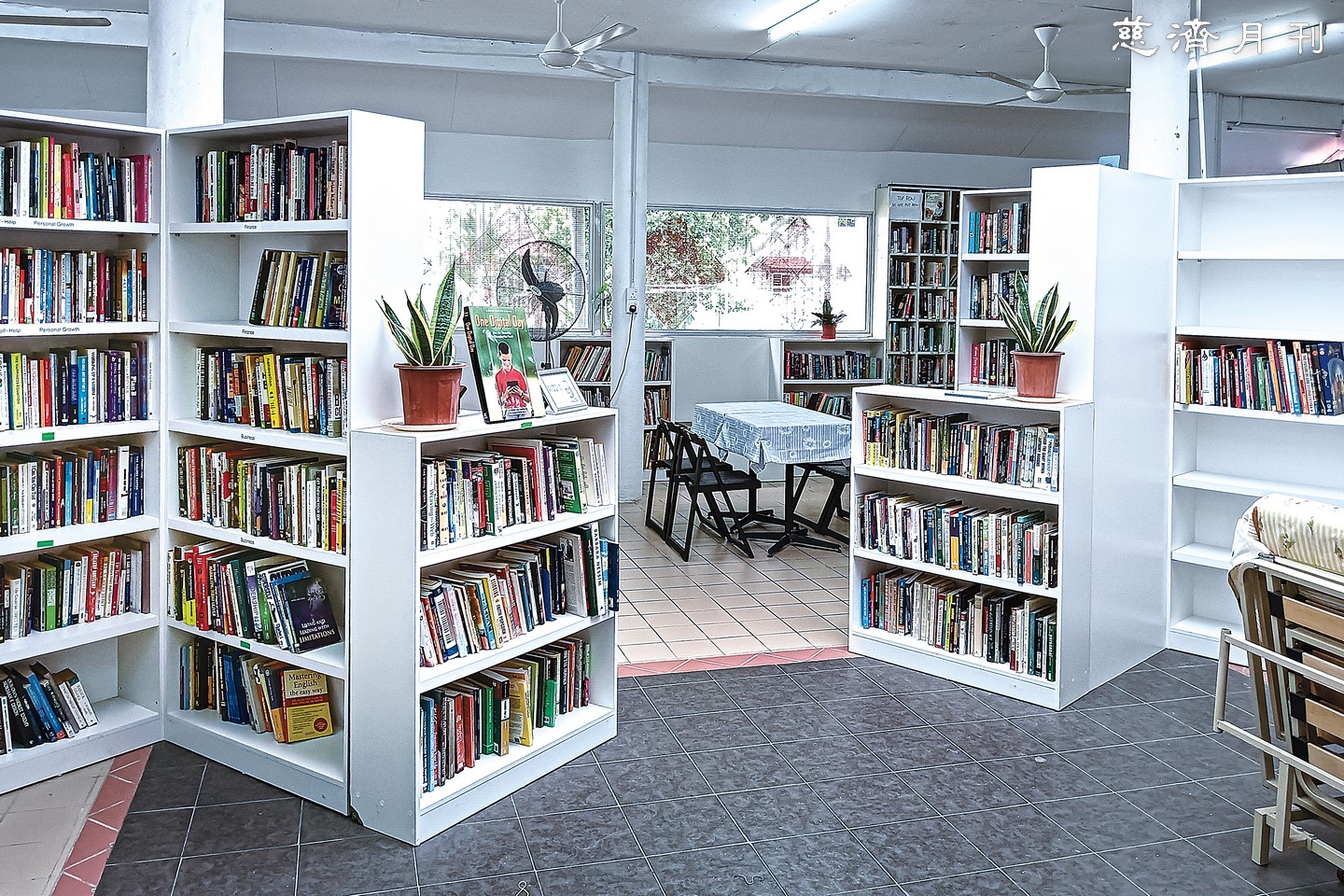
"Sometimes I see a book I like on their Facebook page, but by the time I get here, it’s already been adopted," says regular visitor Pei-zhen Lin (林佩甄). On this morning, she spent time scouring the shelves at the Taman Sri Nibong Eco-Education Centre, eventually finding a vibrant red copy of The Secret of Life. "I’ve even found books here that are the same age as me—nearly 50 years old—which you just can’t find in bookstores anymore."
The Book Adoption Centre is housed within a former abandoned food court that was converted into an eco-education center in 2012. Managed by Chye-Gaik Tan (陳彩玉), the center processes an average of 10,000 books a month. While many are recycled, about 7,500 are rehomed. The proceeds from these adoptions support the Tzu Chi Dialysis Centres in Malaysia, providing medical care for underprivileged patients.
A sanctuary for bibliophiles
The initiative began because volunteers like Yit-Lin Chong and See-How Sim (沈士皓) couldn't bear to see high-quality books torn apart for paper pulp. "When people saw we were serious about this, they started donating shelves from closed businesses and offices," Sim recalls. Today, a diverse team of professionals—including academics, engineers, and accountants—volunteers their time to categorize the influx of literature.
For some, the center is a link to their past. Volunteer Chai-Leng Lee (李彩玲) first came looking for reference books for her primary school daughter. She stayed to help manage the center’s online presence. "My daughter says I’m always in a better mood when I’m at the Book Adoption Centre," she says. The center also reaches out to remote communities, such as Balik Pulau, where access to affordable reading material is limited.
During the COVID-19 pandemic, the center became a mental refuge. Wan-Siang Ang (洪萬祥) used the lockdown period to adopt books on philosophy and life. "Reading supported my spiritual needs during a time when we heard so much news about loss," he explains. He views these public reading spaces as vital symbols of a city’s cultural health.
Cultivating wisdom in Melaka
A similar spirit thrives at the Gift of Hope (書海閣) located within the Ayer Keroh Eco-Education Centre in Melaka. This non-profit second-hand bookstore uses recycled materials for its interior—including artificial turf and owl decorations made from scrap metal—to create an inviting atmosphere.
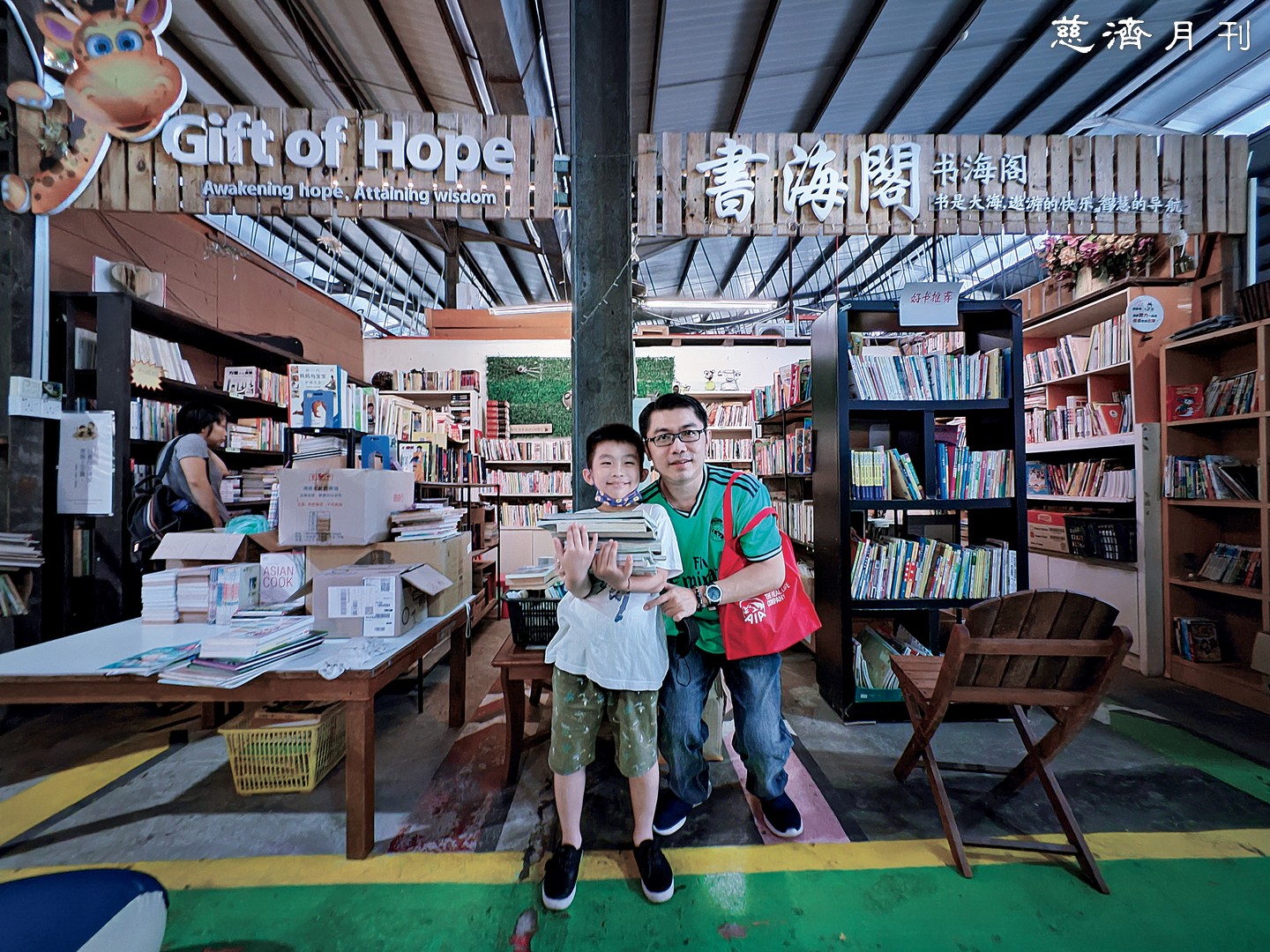
The space was designed by volunteer Choon Luan Chua (蔡春蘭) to be a "library" for the community. It features a dedicated children's section, allowing parents to engage in recycling work while their children read nearby. "Here is where your story begins," a sign on the shelf reads, encouraging visitors to use reading as a tool to overcome the unknown.
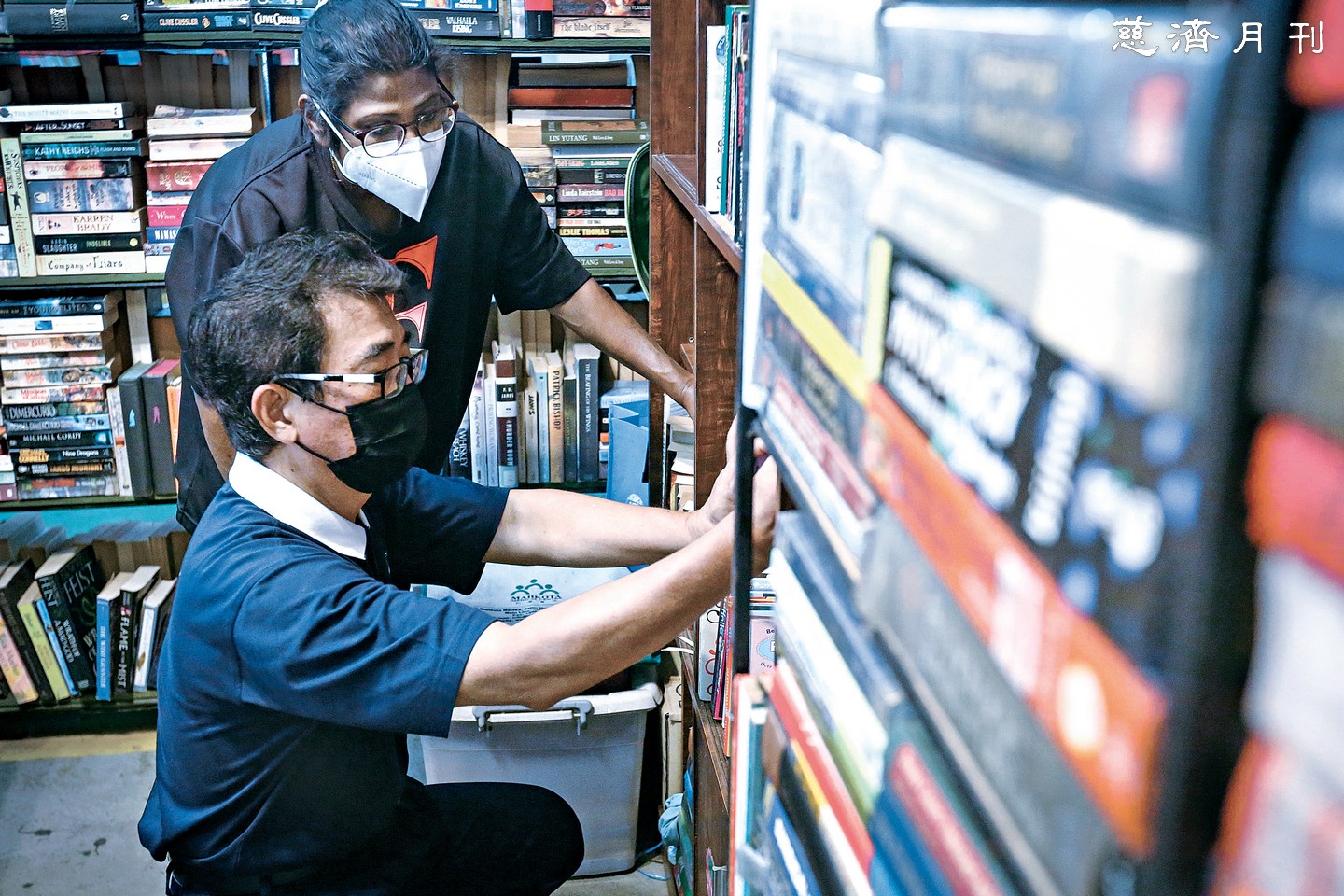
The center attracts a wide range of visitors, from a lawyer seeking historical legal texts to columnists like Yong-long Xiao (蕭永龍), who researches old documents for his writing. "Organizing old books is a great way to release stress," Xiao says.
A legacy of literacy
Ai-di Zhen (曾愛娣), the lead volunteer at Gift of Hope, works daily to ensure the space remains warm and organized. "If someone had guided me toward great books when I was younger, I think I would have loved reading even more," she says. She hopes the center encourages more parents to introduce their children to the world of literature.
Since its inception nearly six years ago, Gift of Hope has distributed over 30,000 books, including donations to schools and correctional facilities. Whether through a street market in Penang or a repurposed factory in Melaka, these centers are proving that a book’s value lies not in its age, but in the wisdom it passes on to the next reader.
Written by Yu-Hua Yeh (葉又華), Siew-Lian Low (羅秀蓮)
