


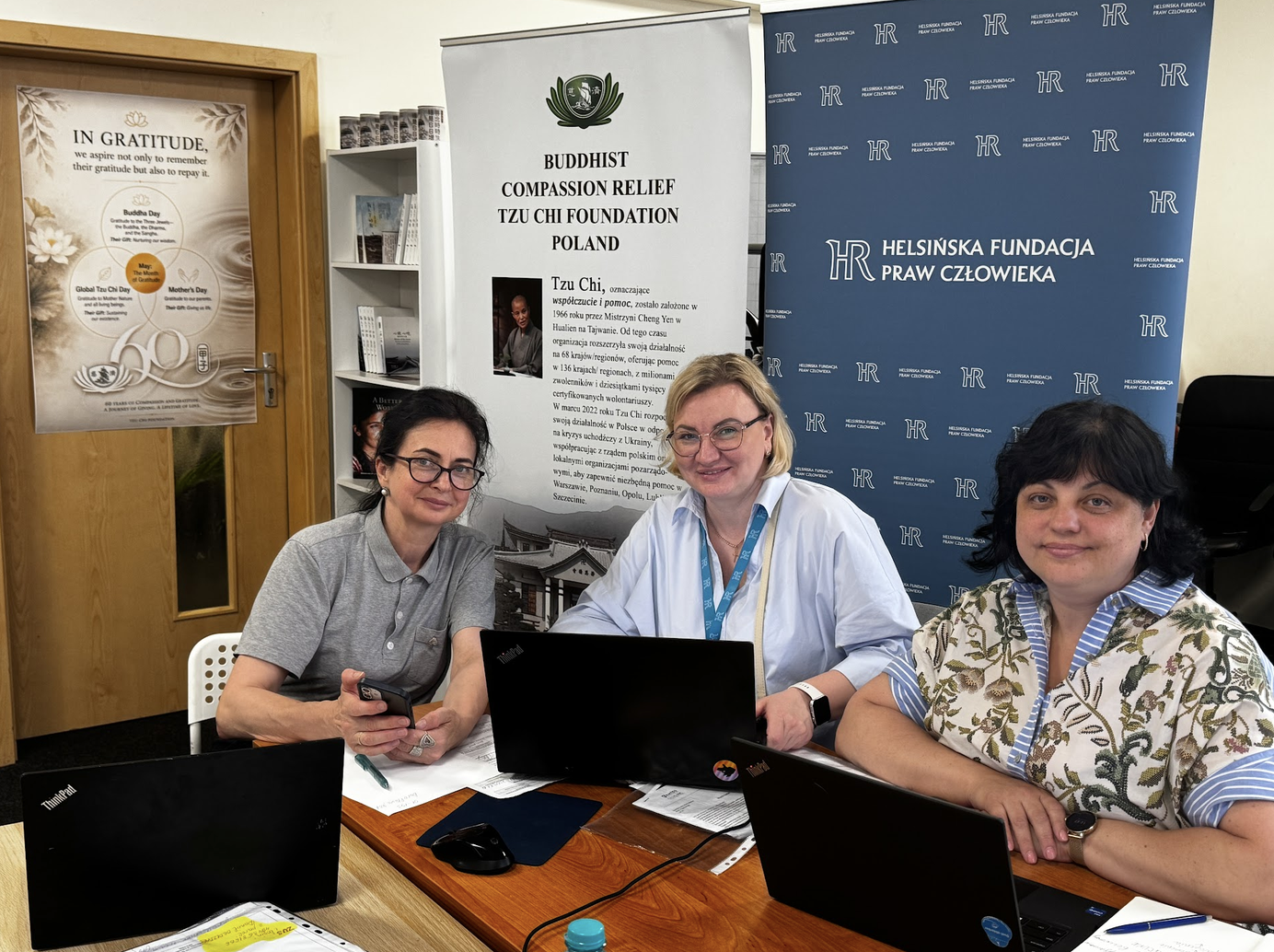
For many refugees arriving from Ukraine, escaping the immediate dangers of war does not mean their challenges have ended. Upon arriving in Poland, they face new pressures related to residency status, medical care, pensions, and social welfare. Dealing with changing legal regulations, complex administrative procedures, and an unfamiliar language environment can create insurmountable barriers, especially for the elderly, disabled individuals, and vulnerable families.
To address these needs, the Tzu Chi partnered with the Helsinki Foundation for Human Rights (HFHR) to launch a legal consultation service. Beginning in late May 2026, the organizations hosted seven weekly Monday sessions at the Tzu Chi Warsaw office. The initiative helped displaced Ukrainian families understand residency requirements and related legal issues, ultimately benefiting 148 people.
Navigating complex procedures
The collaborative program specifically targeted vulnerable groups, including the elderly, individuals with disabilities, single adults, large families, the unemployed, and those living in temporary shelters. During the consultations, legal experts provided professional advice while volunteers worked closely with each family to understand their specific needs. The team helped clarify administrative processes and accompanied individuals to government offices when necessary.
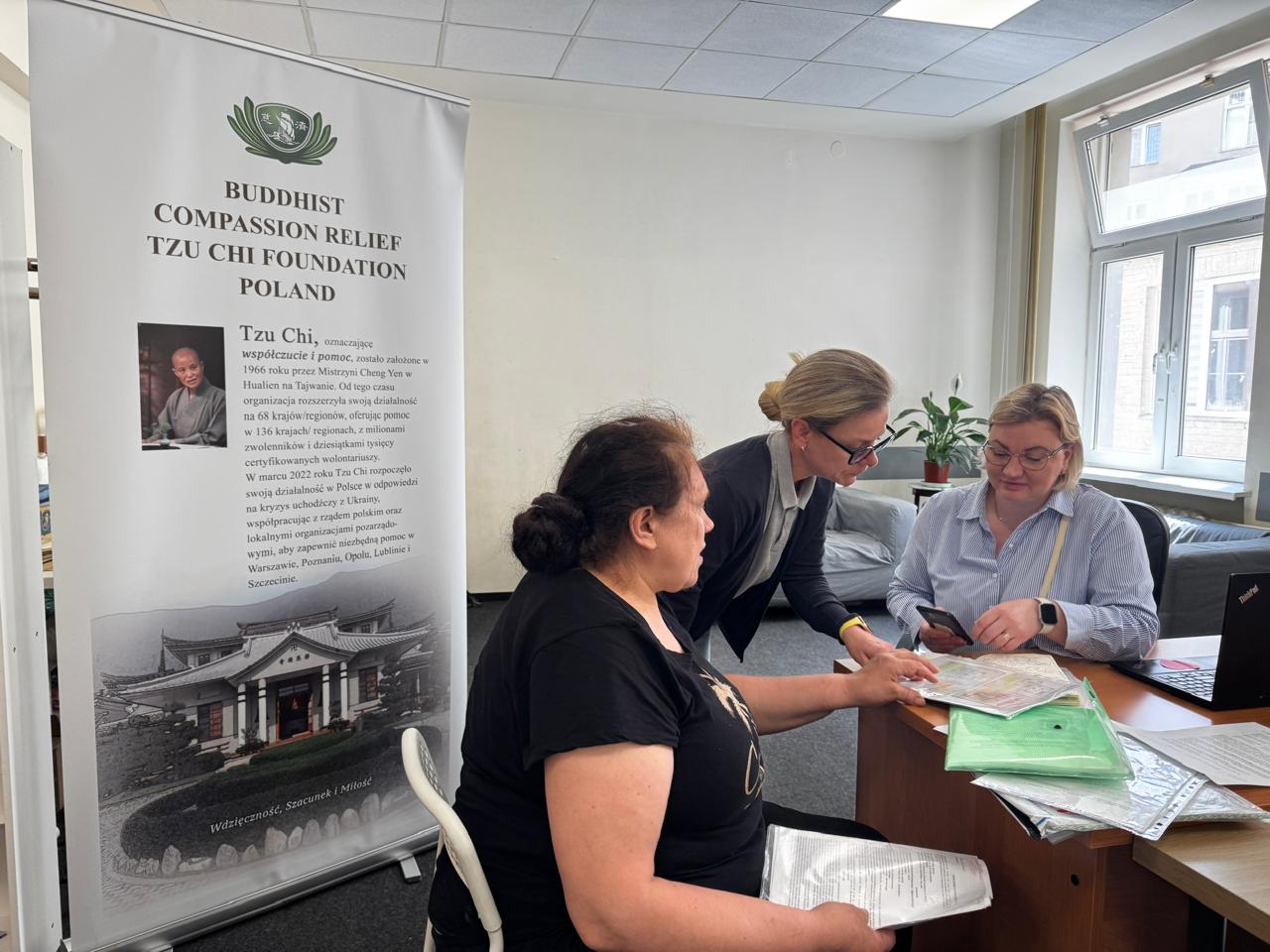
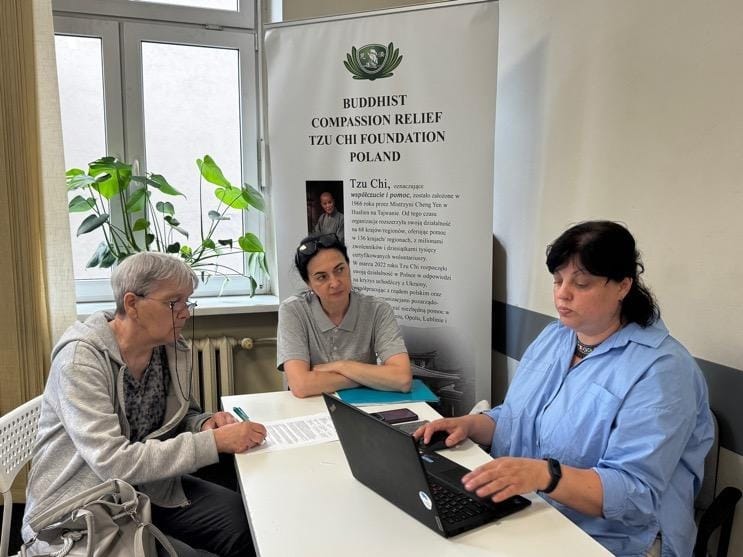
Nina, a 72-year-old retired resident from Kyiv, was unfamiliar with the procedures for applying for a residence card. After receiving advice from a legal consultant, volunteers sat down with Nina to read through the necessary documents. They then accompanied her to the government office to ensure the proper procedures were followed. She is currently awaiting the results of her document review.
This support is very important. Thank you to the volunteers for accompanying me to prepare such important documents. If I only relied on myself, it would be very difficult to understand and complete these complicated administrative procedures. — Nina, 72-year-old resident from Kyiv
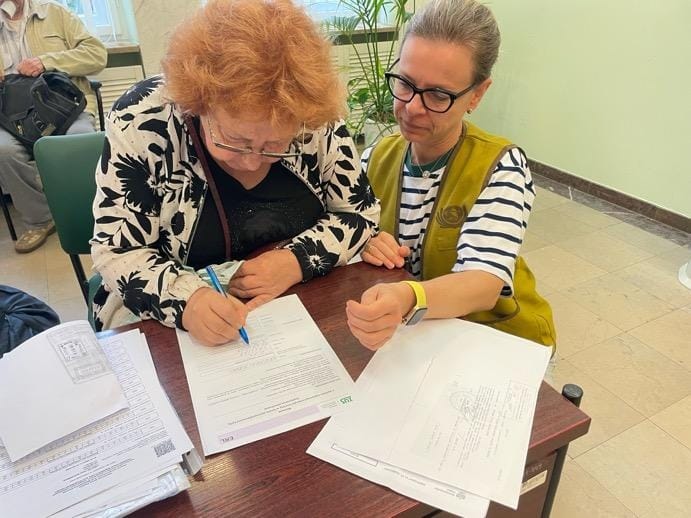
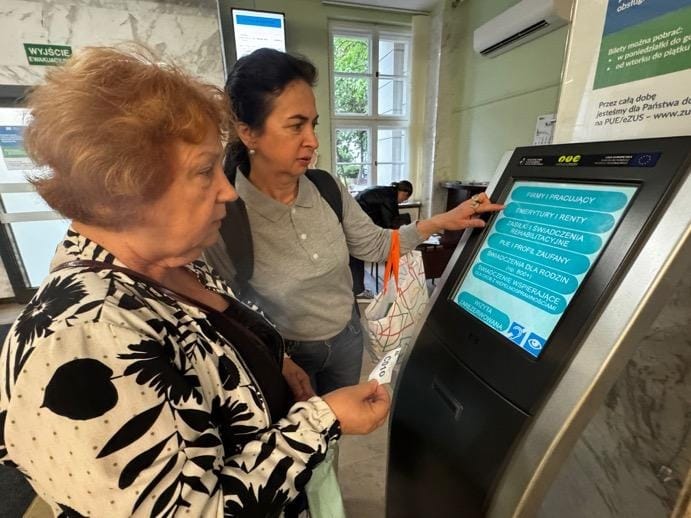
LEFT: Nina (left) consults with volunteers about her application. | Photo: Alla RIGHT: Nina (left) receives guidance on the required documents. | Photo: Anna
Easing the burden of care
Legal and administrative challenges are often compounded by health and financial crises. Tamara, 72, has spent over six years caring for her daughter, Elena, who sustained a brain injury. While enduring her own physical discomfort, Tamara also faced immense pressure from overwhelming medical bills that threatened to crush their family.
Following a home visit, volunteers provided Tamara with a goods card to help cover the family's basic daily needs. Through the consultation program, legal experts assisted them in preparing social welfare application documents. The team also contacted local hospitals to verify whether Elena qualified for free medical care. Throughout this process, volunteers remained by their side to facilitate communication and organize paperwork.
I feel tremendous support and know I am not alone. When there are people around willing to lend a helping hand, even the most difficult problems can potentially find a solution. — Tamara, 72-year-old caregiver
Restoring hope and access
For 73-year-old Oleksander from Zaporizhzhia, daily life had become increasingly difficult. A severe accident left him with near-total vision and hearing loss, and he also struggled with diabetes and leg complications. The legal consultation service helped him understand the steps needed to restore his social welfare benefits and extend his disability qualifications. This guidance not only offered a path to regain access to medical care and medications but also provided him with a clear direction for the future.
I can barely see and can only live by touch, but I always feel your care and warmth, and my heart is full of gratitude. — Oleksander, 73-year-old resident from Zaporizhzhia
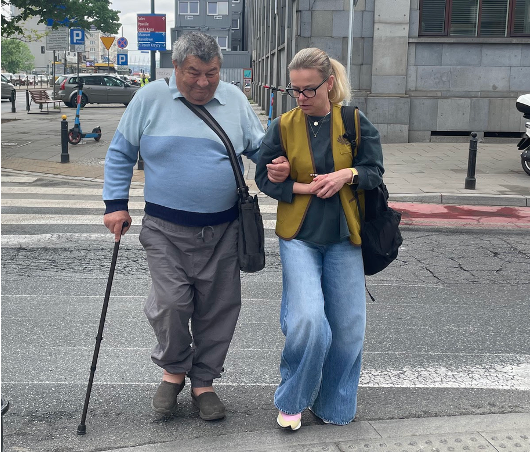
Natalia, a legal consultant with HFHR who specializes in immigration and human rights, expressed her appreciation for the opportunity to help families in need. She noted the dedication and commitment of the volunteer team throughout the seven-week program.
The partnership between the two organizations offered more than just legal services; it provided human-centric companionship. Before seeking legal solutions, the team prioritized understanding the unique stories and circumstances of each family. For displaced Ukrainians living in a foreign country, legal issues are deeply intertwined with their safety, dignity, and future. By combining professional expertise with consistent care, the program helped vulnerable individuals navigate unfamiliar systems and take essential steps toward regaining their independence.
Written by Sandy Lin (林莉菁), Anna
