


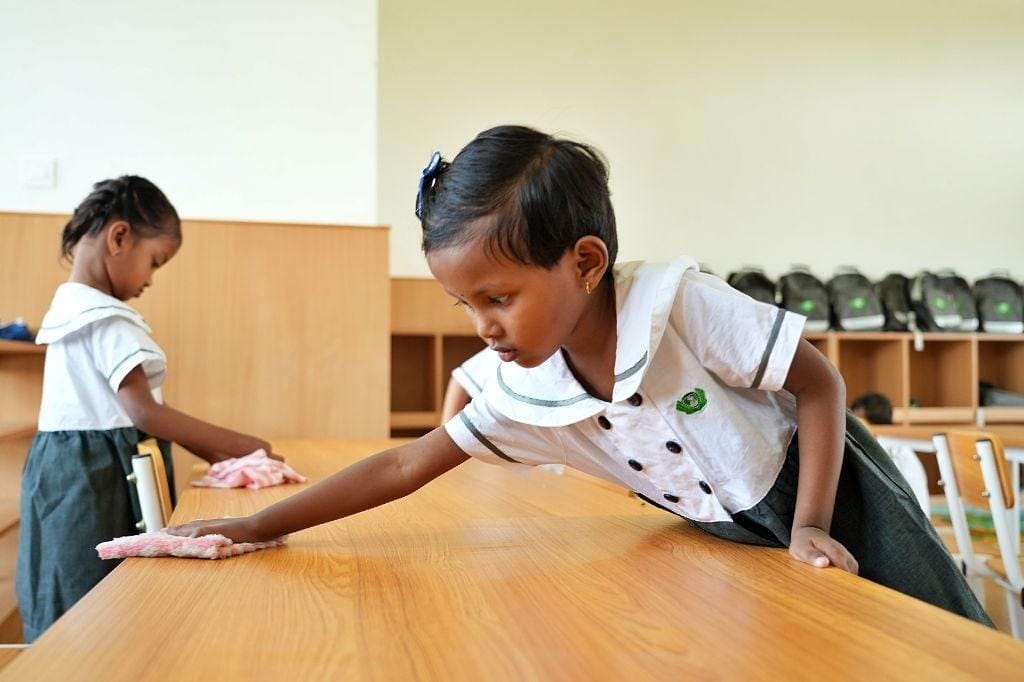
Just one week after a new kindergarten opened its doors in Lumbini, Nepal, a quiet transformation began to unfold within a local household. Ranjana Chaudhary, the mother of four-year-old Arshika, observed remarkable changes in her daughter's daily behavior, eagerly documenting these moments to share her joy with others.
To witness this impact firsthand, volunteers Sio Kee Hong (蘇祈逢), Jane Chang (張慧珍), and local staff member Ramesh Karki visited Ranjana’s home on May 11, 2026. Arriving at the front yard, the group was greeted by tall coconut trees and a leafy mango tree heavy with ripe fruit, offering a cool retreat from the midday sun. Ranjana welcomed them warmly and immediately began sharing the changes she had seen in her daughter.
A shift in daily habits
Ranjana recalled that on the first day of school, Arshika clung to her, crying and refusing to let go. Now, the young girl happily walks into the campus on her own. What brings Ranjana the most comfort, however, is her daughter's softening.
Previously known for being stubborn, Arshika has become much calmer and friendlier. Ranjana noted that her daughter now takes the initiative to greet her elders upon returning home. If the family's conversation grows too loud, the four-year-old gently reminds everyone to lower their voices—a small gesture that pleasantly surprised her relatives.
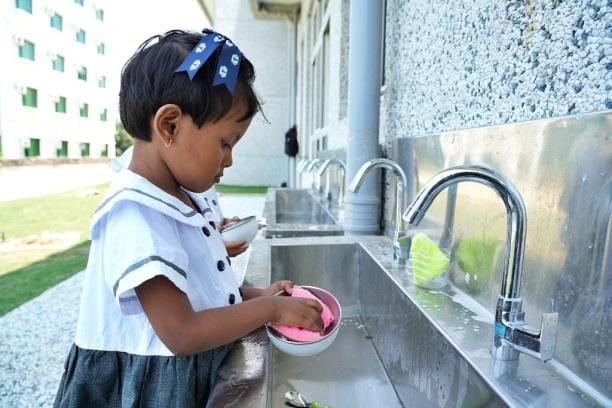
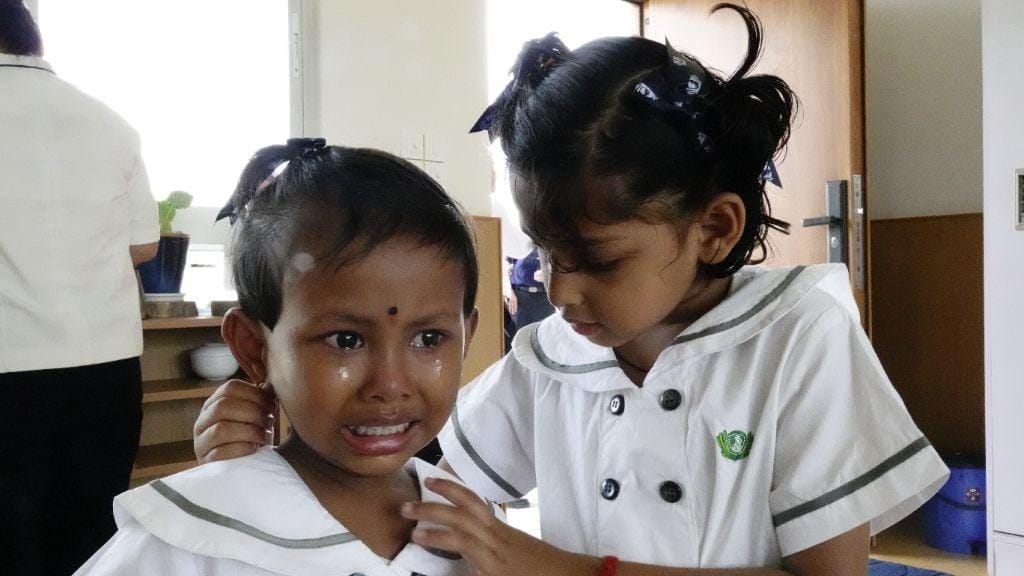
LEFT: Teachers guide the children to wash their own dishes, allowing Arshika to build confidence through self-care. | Photo: Ramesh Karki RIGHT: On her first day of school, Arshika (left) cried in the unfamiliar environment as a classmate comforted her. | Photo: Tsui-Lien Ling (凌翠蓮)
The life skills taught in the classroom have quickly taken root at home. Because the teachers encourage the children to wash their own utensils, Arshika now insists on doing the same after every meal. Even when Ranjana offers to help, the young girl refuses, taking her bowls to the sink to scrub them herself. She also picks up a broom without being asked, sweeping up crumbs after snack time.
The students exhibit a very different demeanor. Without needing any special reminders, the children take the initiative to say hello. — Ranjana Chaudhary, Parent and Teacher
Inspiring educators and parents
As a local primary school teacher herself, Ranjana views her daughter’s education through a professional lens. She pointed out that traditional local education often relies on scolding or physical discipline for unruly students. Observing the Tzu Chi kindergarten classes offered her a different perspective.

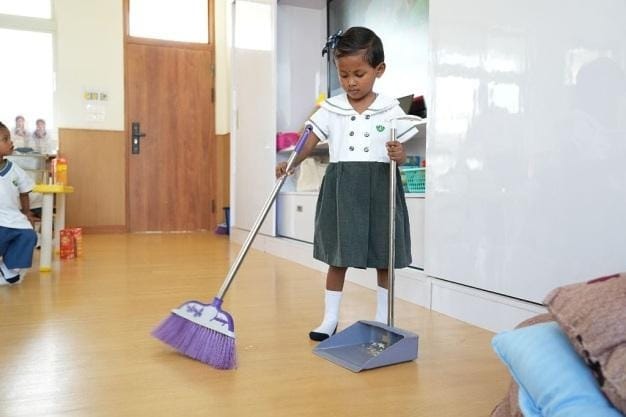
LEFT: Ranjana Chaudhary (center) volunteers in the library after dropping off her daughter. | Photo: Sio Kee Hong RIGHT: Arshika is enthusiastic about cleaning her classroom. | Photo: Ramesh Karki
The teachers are incredibly patient. Watching how they comfort the students and help them settle down has taught me many teaching techniques that are very helpful for my own career. — Ranjana Chaudhary, Parent and Teacher
Inspired to bring this patience into her own classroom, Ranjana also decided to contribute her spare time. She now volunteers in the kindergarten library, organizing books in the brief window between dropping off her daughter and starting her own workday.
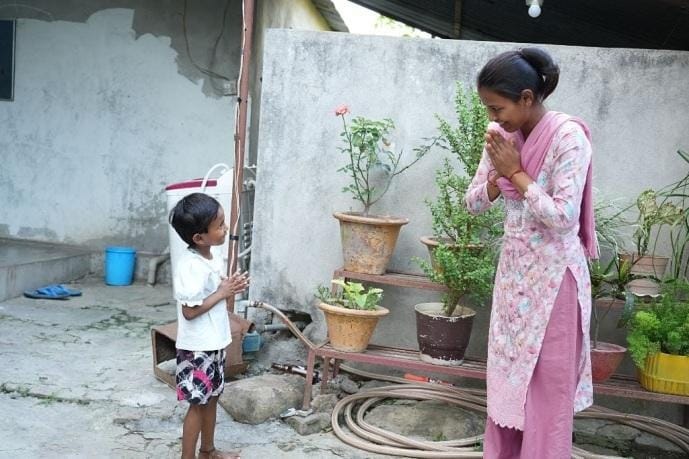
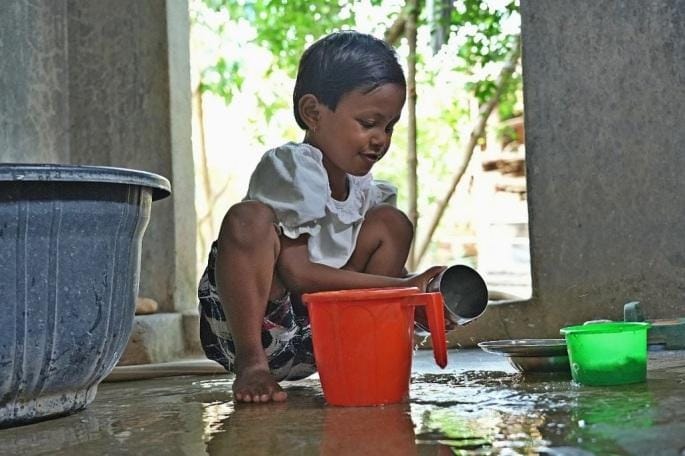
LEFT: Ranjana (right) feels confident in the educational approach, noticing the students' polite manners. RIGHT: Arshika scrubs her dishes with a sponge, treating the chore like a fun game. | Photos: Ramesh Karki
To demonstrate her daughter’s progress during the home visit, Ranjana handed Arshika a few dishes. Without any prompting, the little girl carried them to the tap. Humming a song, she stepped onto a small stool and began washing. For safety, the visitors gently guided her to a lower washing area, where Arshika scrubbed the plates with a sponge, treating the chore like a fun game. Once finished, she carefully carried them back to the kitchen, climbed her stool again, and neatly arranged each item on the drying rack.
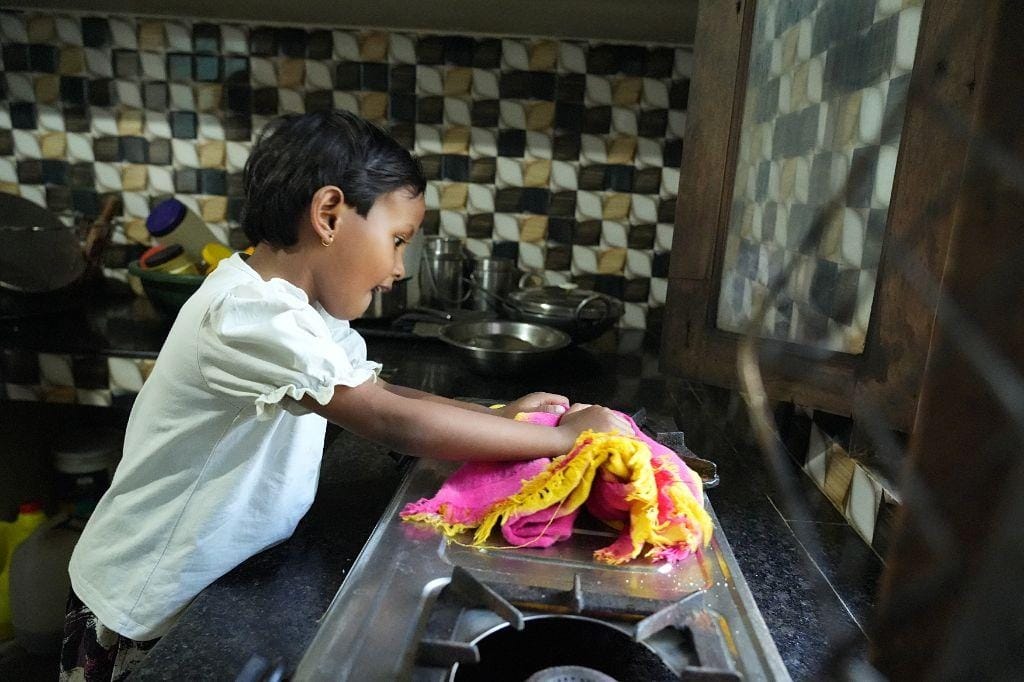
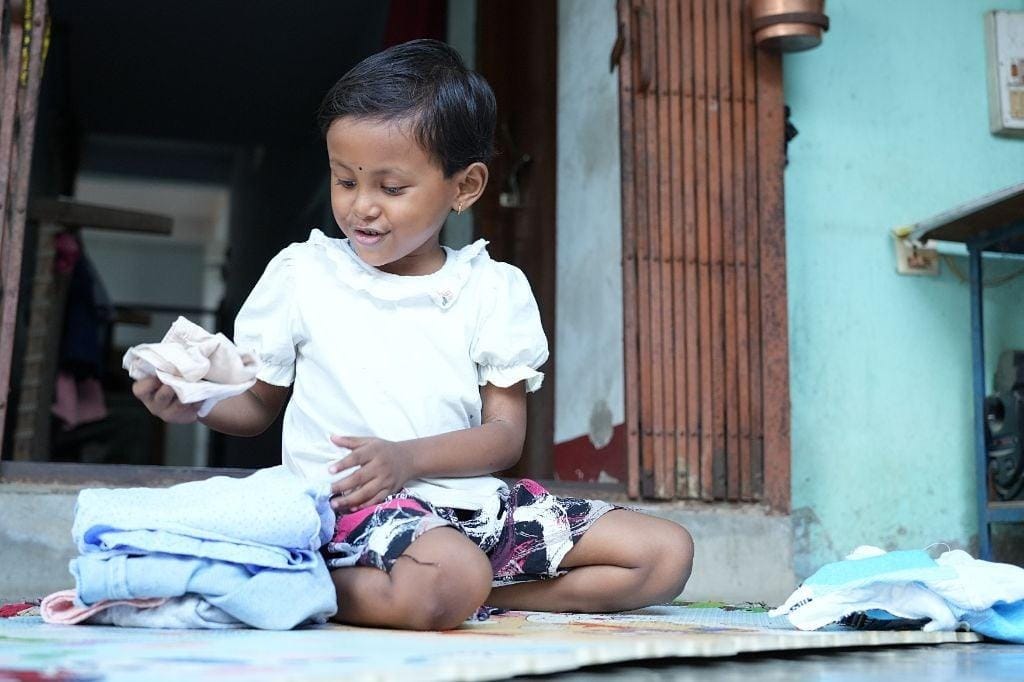
LEFT: Arshika happily wipes down the stove at home. RIGHT: The four-year-old skillfully folds clothes while humming a cheerful tune, enjoying her independence. | Photos: Ramesh Karki
Shortly after, Ranjana handed her a few dry garments. With practiced hands, Arshika folded and smoothed the fabric, still humming her cheerful tune. The moment captured a young child finding joy in self-reliance and daily responsibilities.
Building a foundation for the future
Seeing Arshika's living environment and her willingness to learn after just one week brought a sense of relief to the visiting team. Sio noted that education goes beyond academic knowledge; it is fundamentally about learning how to be a good person, a process that begins with daily life skills.
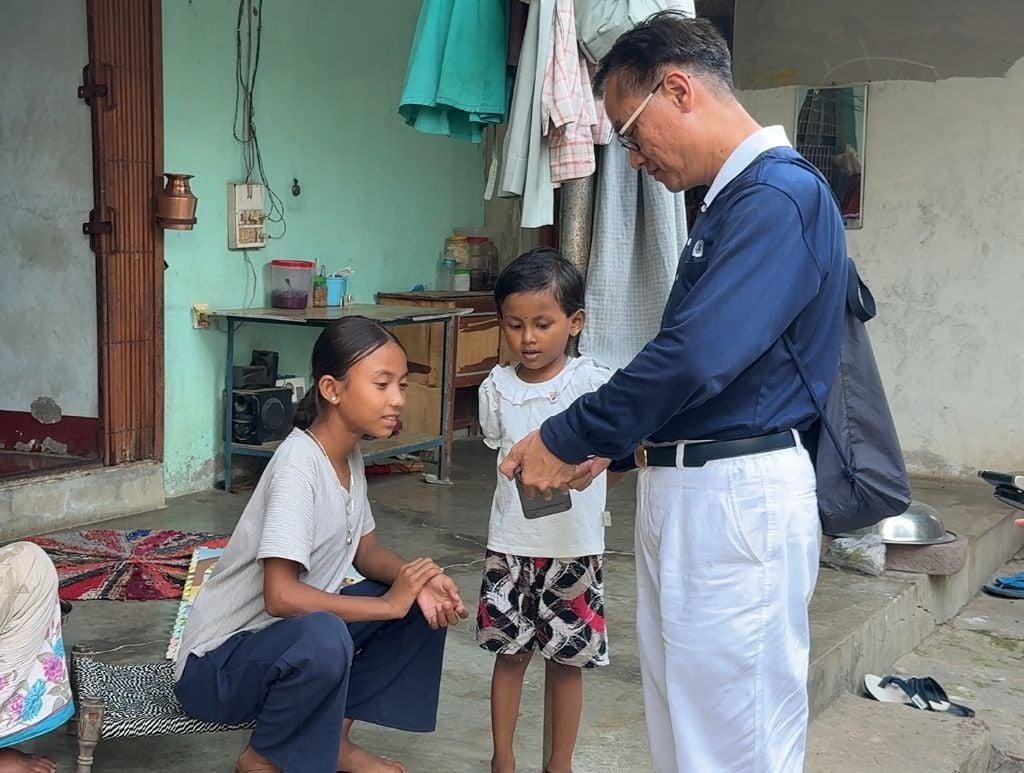
Education is implemented in the details of daily life, such as dining etiquette, washing one's own dishes, and keeping the environment tidy. These good habits must take root and be cultivated from a young age. — Sio Kee Hong, Tzu Chi Volunteer
Sio emphasized that shaping a person's character is much like tending to a young sapling—it requires careful guidance during its most formative stages. By focusing on fundamental life skills and emotional well-being, early education aims to equip children with tools they can carry throughout their lives. As these young students in Lumbini continue to grow, the hope is that they will retain their sincerity and eventually become strong, capable individuals who can support and uplift their communities.
Written by Pai-Chiu Tsai (蔡白球)
