

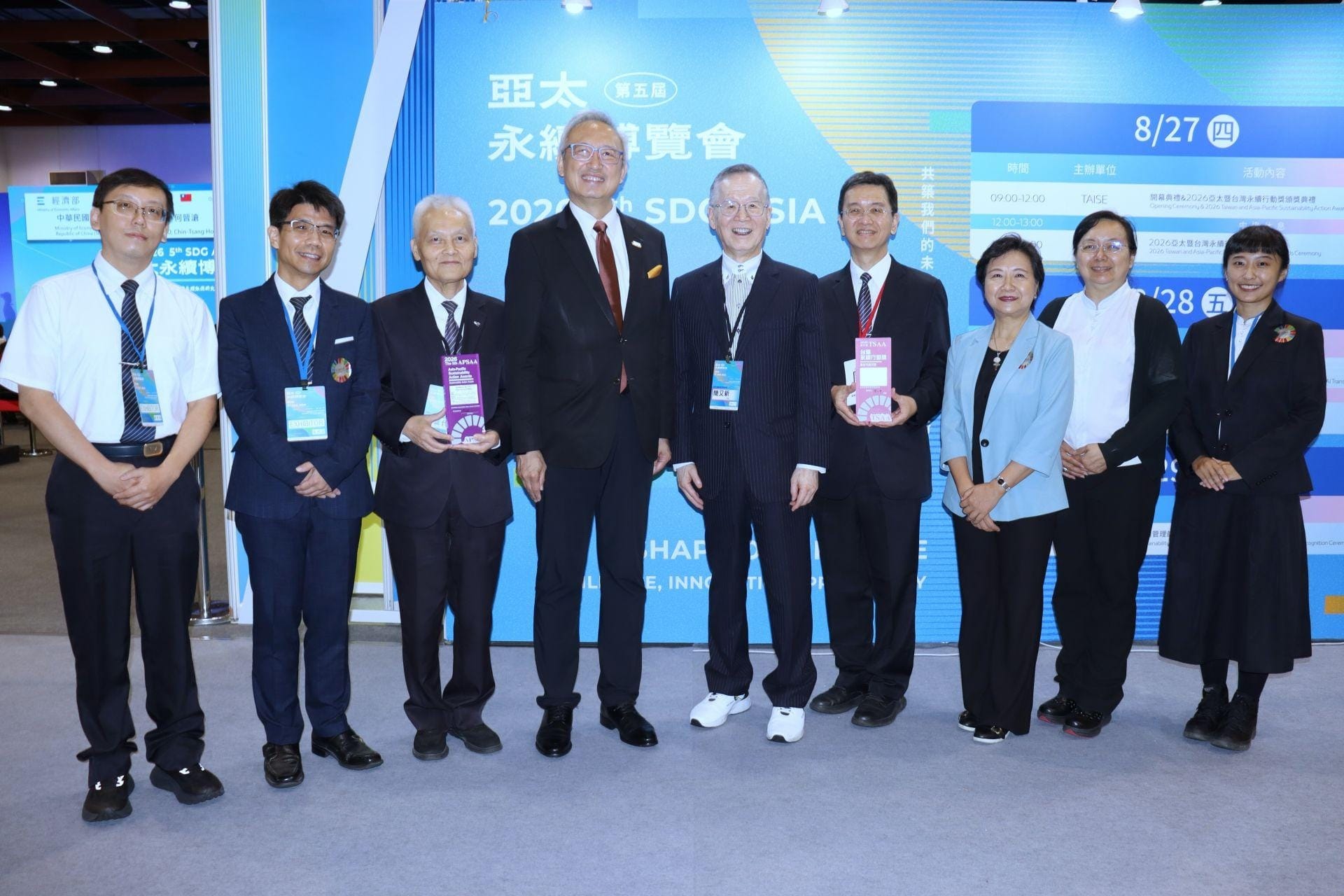
The Buddhist Tzu Chi Charity Foundation was recognized at the 2026 Asia-Pacific and Taiwan Sustainability Action Awards (APSAA & TSAA), hosted by the Taiwan Institute for Sustainable Energy. Held at the Taipei World Trade Center on August 27, the ceremony honored five of the foundation's initiatives spanning domestic and international humanitarian aid, medical care, youth empowerment, and rural education.
The recognized projects address multiple United Nations Sustainable Development Goals (SDGs), including sustainable cities, health and well-being, poverty alleviation, quality education, reduced inequalities, and global partnerships. The initiatives range from post-disaster recovery in Taiwan and specialized dental care to international bone marrow donation, community empowerment in Nepal, and educational support in Northern Thailand.
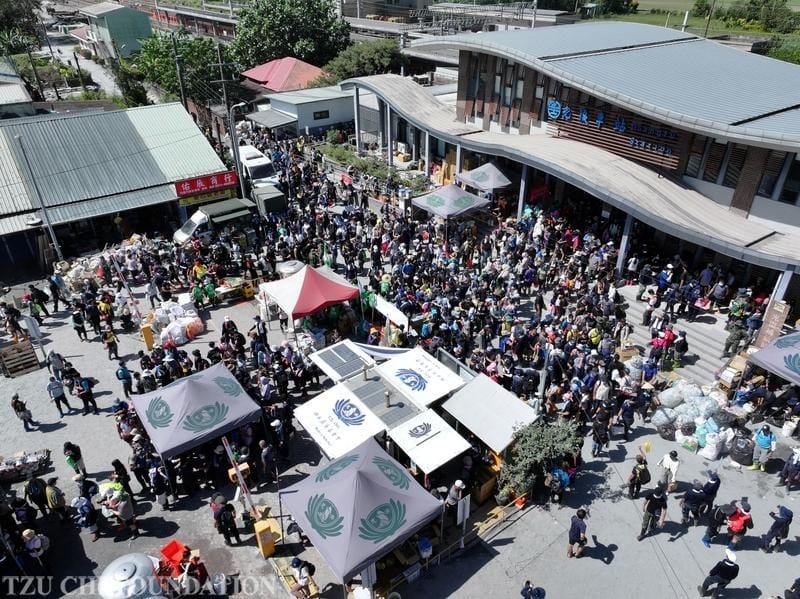
Youth volunteers lead mud-clearing efforts
The initiative titled "SDG 11—Shovel Heroes Relay to Protect Guangfu" was awarded a Gold medal in the Taiwan Sustainability Action Awards.
In September 2025, Typhoon Ragasa severely impacted eastern Taiwan. Overflow from the Matai'an River in Guangfu Township, Hualien County, sent large amounts of mud into urban areas, disrupting traffic and damaging homes. In response, a disaster management mechanism was activated to integrate charitable, medical, and logistical resources, establishing three main service centers, including one at the Guangfu train station.
During the recovery period, teams used drones to assess the damage and deployed mobile kitchens to provide over 47,000 hot meals. The Hualien Tzu Chi Hospital set up three temporary medical stations and collaborated with health authorities to complete Taiwan's first drone delivery of medicine, reaching areas where roads were impassable.
Post-disaster cleanup saw significant youth participation. Over 18,401 volunteer shifts were filled by young adults with an average age of 29. These intergenerational teams helped clear mud from 1,121 homes, distributed repair subsidies to 2,871 households, and installed 107 refurbished computers for students returning to school. The relief effort later evolved into disaster preparedness training, equipping these young volunteers with the knowledge to support future community resilience.
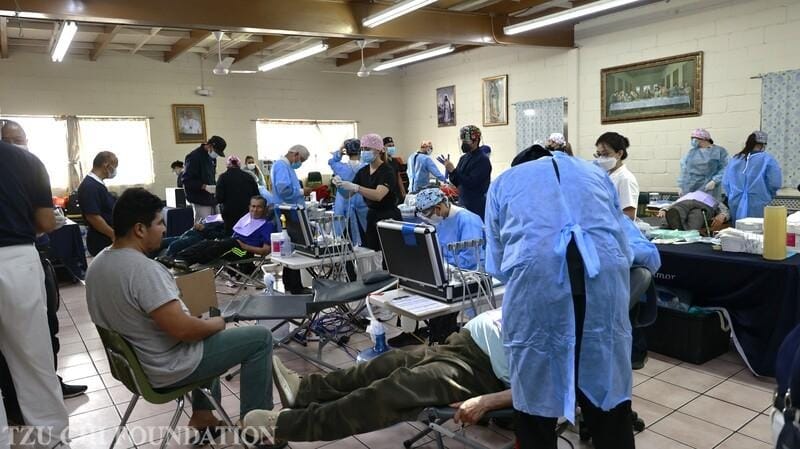
Mobile dental care reaches bedridden patients
The "SDG 03—Special Dental Action Clinic" project received a Silver medal in the Taiwan Sustainability Action Awards.
Bedridden individuals and those with severe physical or mental disabilities often face significant barriers to receiving proper dental care due to mobility constraints and a lack of specialized medical resources. Since 2004, medical professionals, technical volunteers, and social workers have collaborated to run mobile dental clinics for patients with special needs.
Teams carry portable dental equipment directly to the bedsides of patients in care facilities and homes. They also provide oral hygiene education to caregivers, ensuring that daily oral care continues after the medical visit. Between 2023 and 2025, the number of patient visits grew from 2,678 to 6,462. Over three years, the team held 202 clinics, provided 12,816 services, and partnered with 65 care institutions. In 2025, these services expanded to Tijuana, Mexico, improving health access, reducing inequalities and global partnerships.
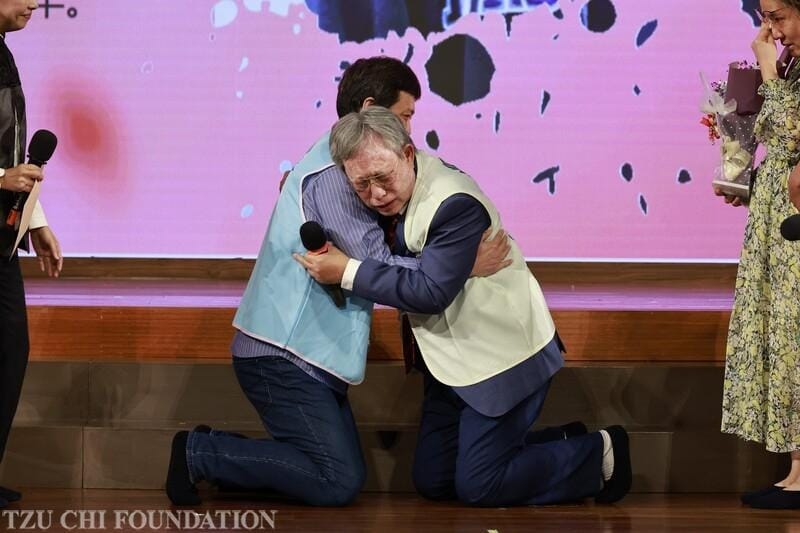
Stem cell donations connect 31 countries
The Tzu Chi Stem Cell Center was awarded a Silver medal in the Asia-Pacific Sustainability Action Awards for its project, "SDG 03—Rolling Up Sleeves for Light: The Life-Saving and Global Impact of Bone Marrow Stem Cell Donation."
Established in 1993 under the guidance of Master Cheng Yen, who emphasized respecting and saving lives, the bone marrow registry has built a comprehensive model combining medical matching, volunteer companionship, and global collaboration.
To address public concerns about bone marrow donation and a shortage of young registrants, care teams guide donors through every step—from matching and follow-up exams to health checks and stem cell collection—ensuring they fully understand the medical procedures. By the end of 2025, the registry had 493,984 voluntary donors and had completed 7,118 stem cell transplants. This network has provided life-saving stem cells to patients in 31 countries and regions.
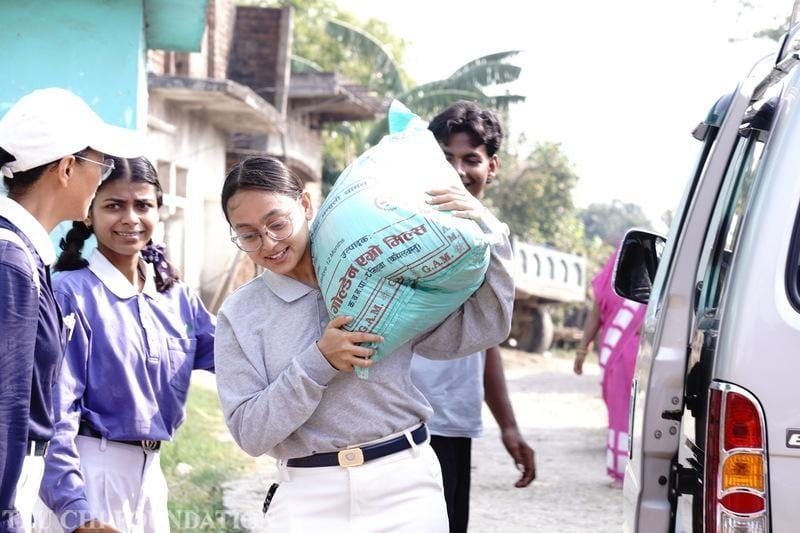
Earthquake survivors step up to serve their community
The "SDG 01—Guiding Hope with Great Love: Humanitarian Aid and Sustainable Empowerment in Nepal" project won a Bronze medal in the Asia-Pacific Sustainability Action Awards.
Following the devastating 2015 earthquake in Nepal, emergency cross-border aid was initiated. Teams surveyed disaster areas, distributed supplies, held free medical clinics, and helped rebuild homes and schools, providing support that reached over a million instances of aid.
As the emergency phase concluded, the focus shifted to long-term community development. Operating on the principle of self-reliance, the foundation collaborated with the Nepalese government and local non-governmental organizations to train residents in community service. Today, more than 650 local volunteers have been trained. Many who once received aid have transitioned into roles where they actively care for and assist others, ensuring that the spirit of mutual support remains deeply rooted in their communities.
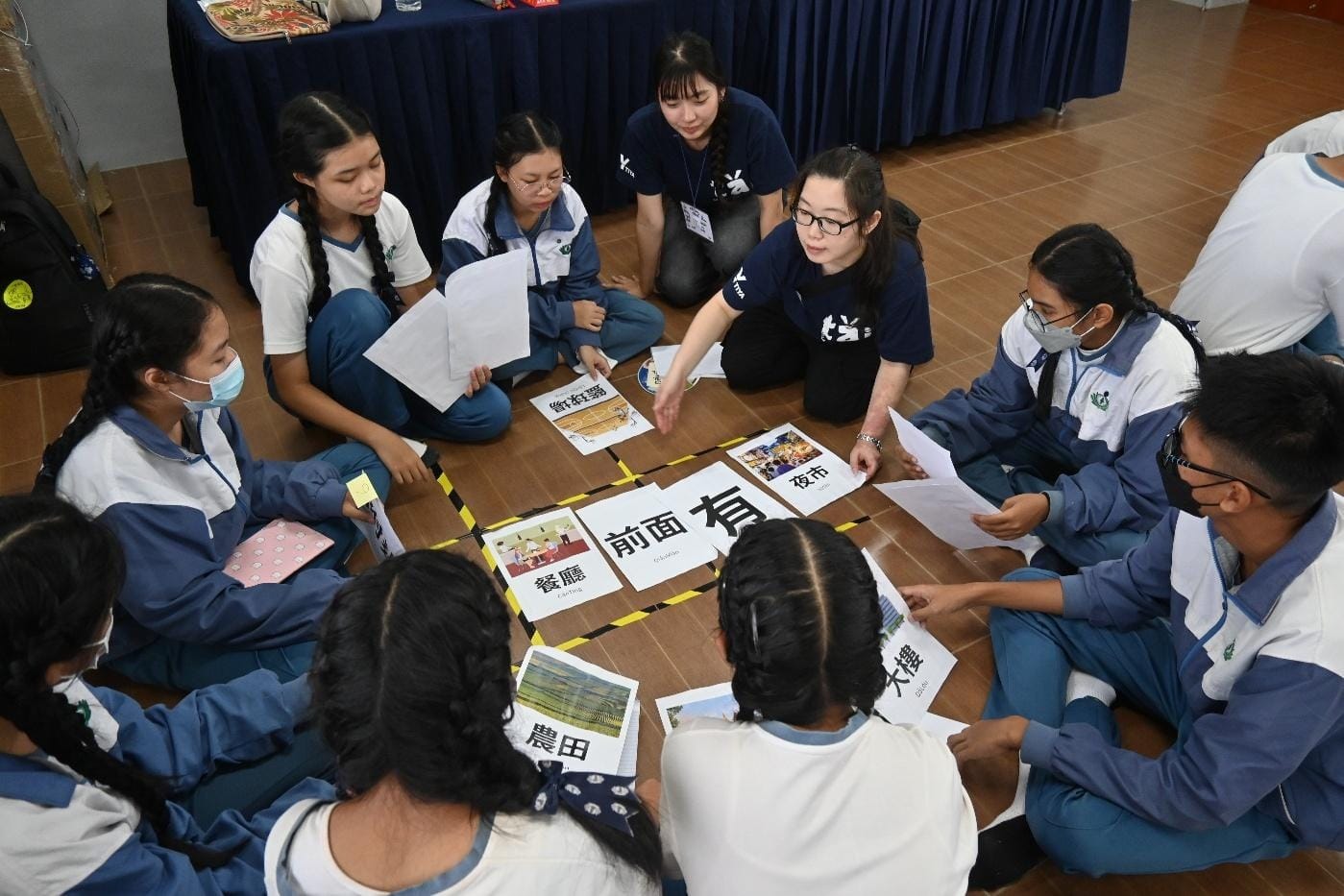
Online tutoring boosts opportunities in Northern Thailand
A second Bronze medal in the Asia-Pacific Sustainability Action Awards went to the "SDG 04—'Love in a Foreign Land' Northern Thailand Chinese Tutoring" project.
Support for remote mountainous areas in Northern Thailand has been ongoing since 1994. Recognizing the educational and economic disparities faced by the descendants of isolated communities, a digital cross-border tutoring program was launched in 2024 in partnership with institutions like National Taiwan Normal University.
The project recruits university students from Taiwan to serve as online study buddies, facilitating cross-cultural education through digital platforms and in-person camps. By the end of 2025, the program had delivered over 6,469.5 hours of online instruction and helped 114 students in Northern Thailand earn Chinese language certifications.
Earning these credentials provides local youth with more options for higher education and employment, potentially increasing their future monthly salaries by about 5,000 Thai Baht. The project also sponsors outstanding students to study in Taiwan, with the hope that they will return home to teach and help alleviate the long-term shortage of educators in these remote areas.
Through efforts in disaster recovery, specialized healthcare, international stem cell donation, community training, and cross-border education, these five projects actively respond to global sustainability goals. Moving forward, the focus will remain on integrating technology into disaster relief, expanding mobile healthcare, encouraging youth participation, and empowering international communities alongside global partners.
Written by Yu-Chen Pan (潘俞臻)
