

When disasters strike, roads are severed, and critical medical supplies struggle to reach those in need, dedicated professionals step forward to fill the gap. For 30 years, the Tzu Chi International Medical Association (TIMA)—a global network of volunteer physicians, nurses, pharmacists, medical technologists, nutritionists, and healthcare specialists—has extended essential care beyond traditional clinics to disaster zones, remote villages, and underserved corners of the world.
The roots of TIMA trace back to 1972, when Master Cheng Yen established the Tzu Chi Free Clinic for the Poor in Hualien, Taiwan, based on the principle of treating the disease, the person, and the spirit. In 1996, healthcare professionals formally organized the Tzu Chi Medical Association, which was officially renamed the Tzu Chi International Medical Association in 2000. Today, this global network of medical personnel and support volunteers has conducted over 20,000 free clinics, providing compassionate healthcare to more than 5.2 million patient visits worldwide.
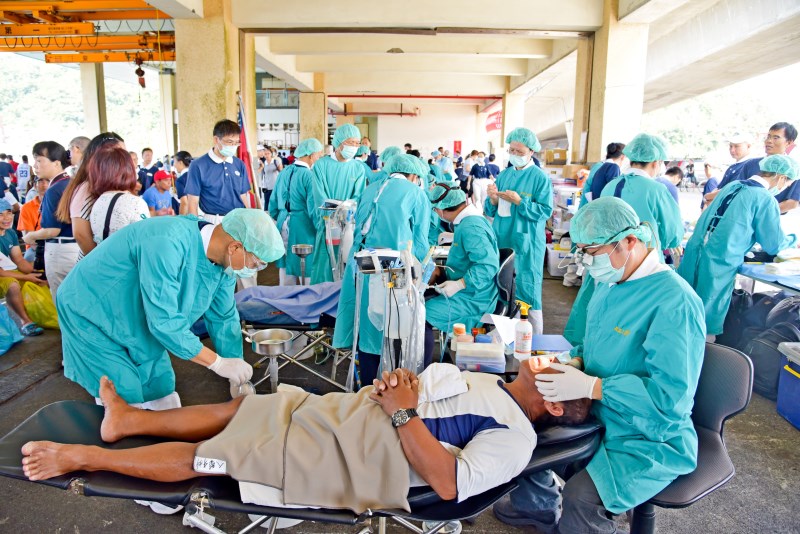
Professional medical teams and volunteers working hand in hand
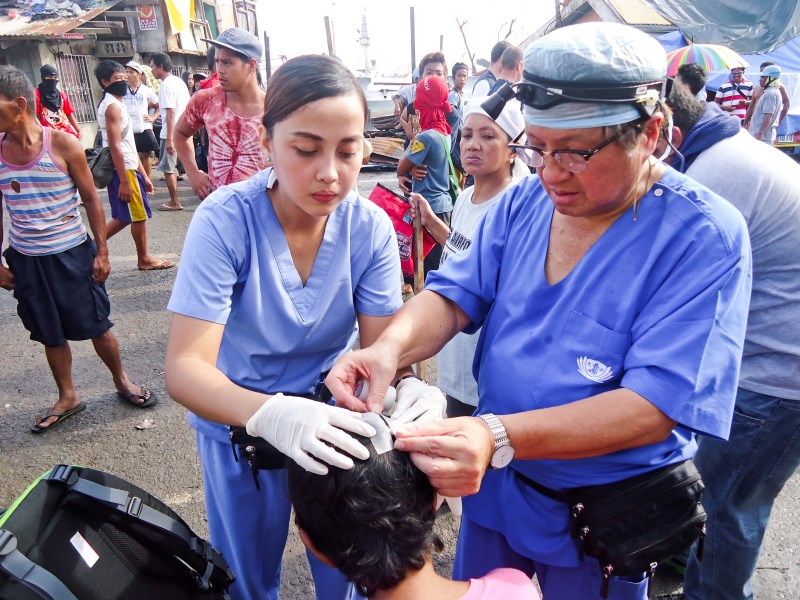
What sets TIMA apart is its holistic team approach. Healthcare delivery relies on a vast network of support volunteers who manage logistics, transportation, water and electricity setups, equipment maintenance, meal preparation, and patient flow. Within hours, these teams can transform a school classroom, an open field, or a temporary shelter into a fully functional mobile clinic, allowing medical staff to focus entirely on patient care. From major events such as the 921 earthquake in Taiwan, Typhoon Morakot, the 311 earthquake in Japan, Typhoon Haiyan in the Philippines, and the Nepal earthquake to Syrian refugee relief, TIMA teams have consistently delivered essential medical aid to impacted populations.
Global medical outreach and long-term community support
In late August 2026, an ice avalanche struck the border region between Nepal and Tibet. Dr. Nirdesh Shakya, leading the TIMA Nepal team, quickly mobilized 25 medical professionals and volunteers to establish a temporary clinic in Dhading District, one of the hardest-hit areas. The team offered medical consultations, distributed essential medicines, provided emotional support, and assisted with cleanup efforts at local schools, hospitals, and public spaces. They also helped restore and reopen the local Baireni Hospital on September 7 to serve the region's healthcare needs.
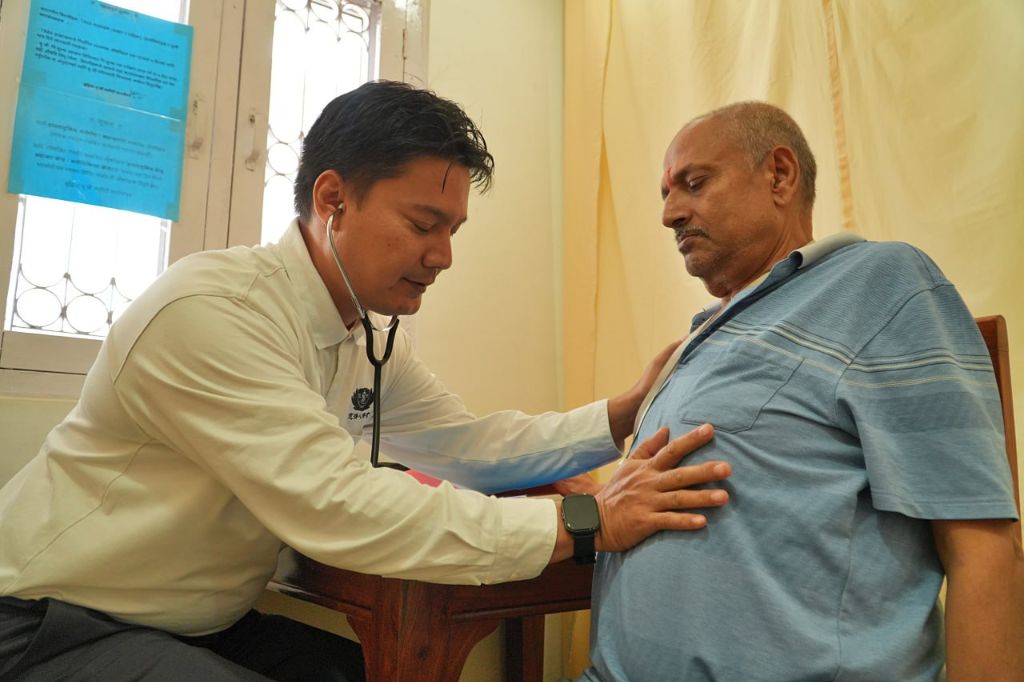
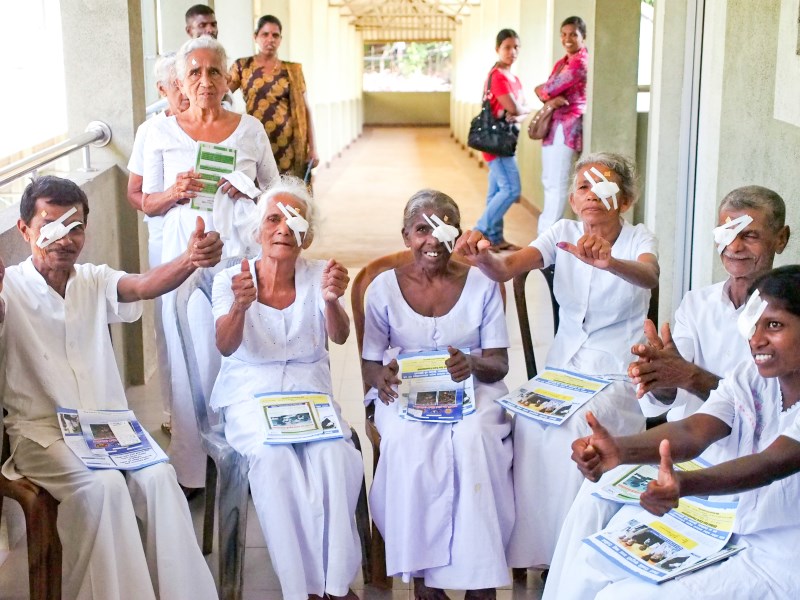
TIMA’s commitment extends well beyond emergency relief. Teams conduct regular outreach in rural areas, island communities, and medical deserts across Taiwan, while hosting major surgical clinics in areas with scarce resources worldwide. Volunteers also lead health education and preventive medicine initiatives, assist critical patients with international referrals, and combine medical treatments with long-term financial and social support to help vulnerable families break the cycle of illness and poverty.
For TIMA members, medical practice is a commitment to protecting human dignity. By bringing care directly to those who need it most, these volunteer teams ensure that health, compassion, and hope reach every corner of the world.
Written by Yi-Ting Wang (王藝婷)
