


Streamlining emergency response
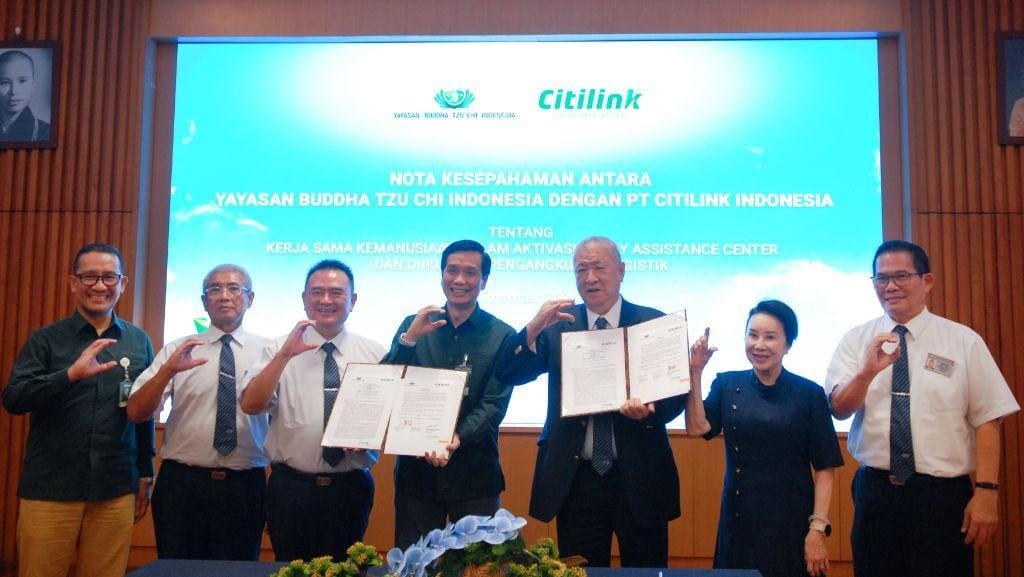
When disasters strike across Indonesia's vast archipelago, reaching remote areas quickly with essential supplies and personnel can mean the difference between life and death. To strengthen disaster response capabilities and improve care for families during emergencies, the Tzu Chi Foundation Indonesia and Citilink Airlines signed a Memorandum of Understanding at the Tzu Chi Center in Jakarta on September 9, 2026.
Under the agreement, Citilink will assist Tzu Chi by airlifting emergency relief materials, volunteers, and medical personnel to affected regions during natural disasters, significantly accelerating the arrival of aid. In turn, Tzu Chi volunteers will support Citilink’s Family Assistance Center, offering compassionate care and emotional support to families affected by potential aviation accidents.
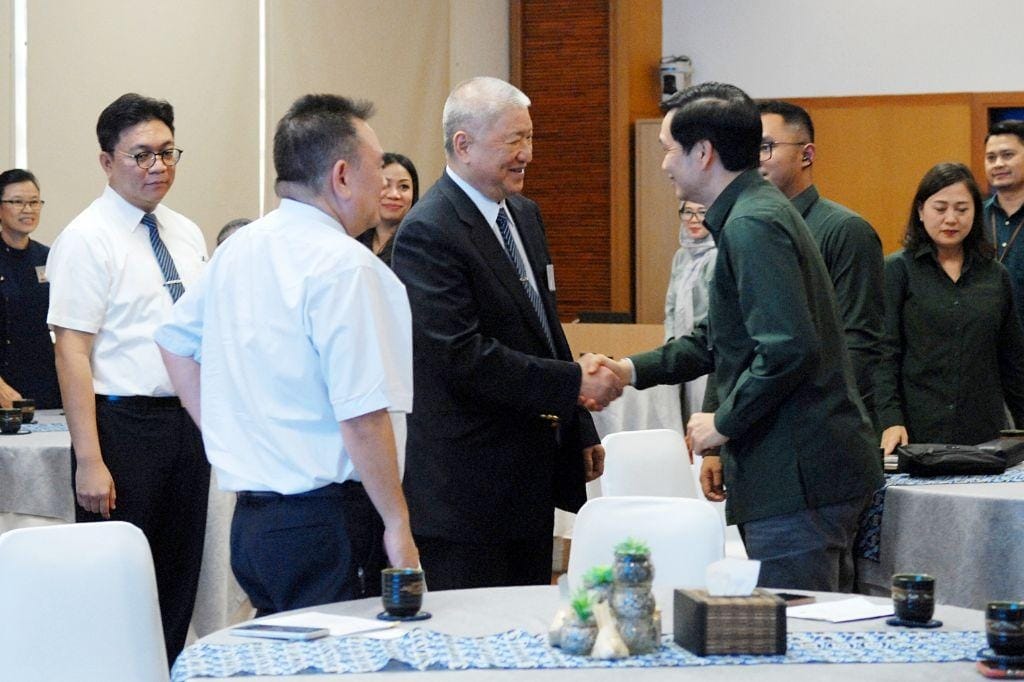
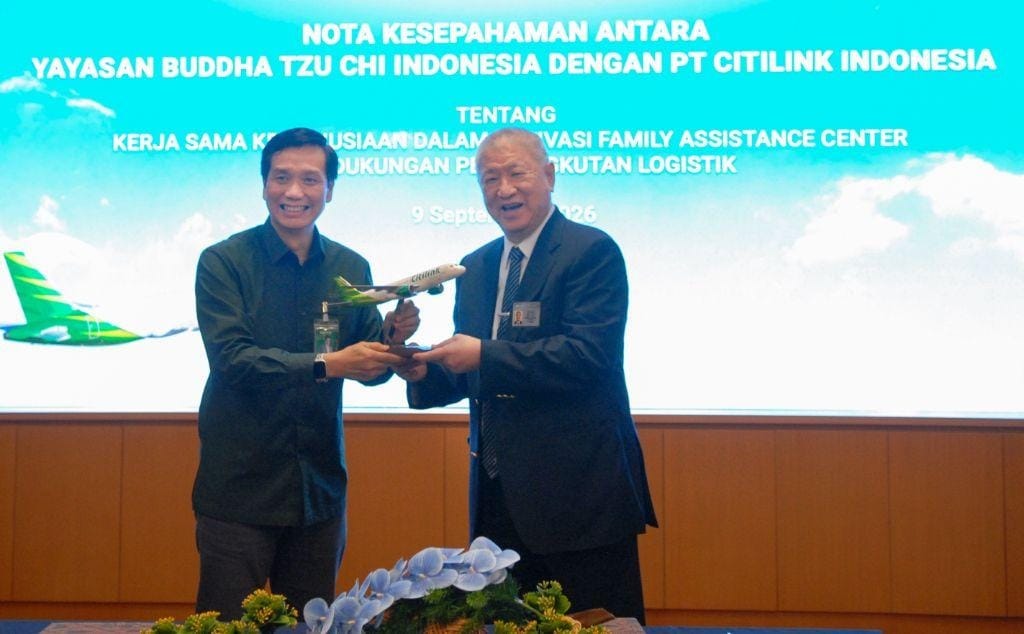
LEFT: Sugianto Kusuma, Deputy CEO of Tzu Chi Indonesia (third left) welcomes Citilink Airlines president director, Darsito Hendroseputro (fourth left) RIGHT: Sugianto Kusuma (right) and Darsito Hendroseputro exchanged souvenirs, symbolizing the official commencement of their humanitarian partnership. | Photos: Metta Wulandari
Reflecting on past disaster relief operations, Sugianto Kusuma (郭再源), Deputy CEO of Tzu Chi Indonesia, noted that transport logistics have often been a major bottleneck.
With this partnership, humanitarian aid can proceed more smoothly and be delivered more accurately to where it is needed most. Previously, we relied on military aircraft to transport goods and volunteers to disaster zones, but military transport restrictions can be slower and have limited capacity. — Sugianto Kusuma, Deputy CEO of Tzu Chi Indonesia
By tapping into commercial aviation channels, critical medicine, aid supplies, and specialized teams can reach disaster-stricken areas far more rapidly when every second counts.
Compassionate support in moments of crisis
Beyond logistical efficiency, the partnership integrates Tzu Chi’s long-standing approach to emotional care into formal emergency response frameworks. Hong Tjhin (陳豐靈), Executive Secretary of Tzu Chi Indonesia, presented an overview of the foundation’s history in disaster relief and family accompaniment, emphasizing that listening and empathetic presence are key components of relief work.
In the aftermath of aviation accidents, families waiting anxiously for news face overwhelming distress. Beyond basic provisions like hot meals, water, and simple medical aid, volunteers provide a gentle, reassuring presence—focusing on active listening and avoiding intrusive questioning.
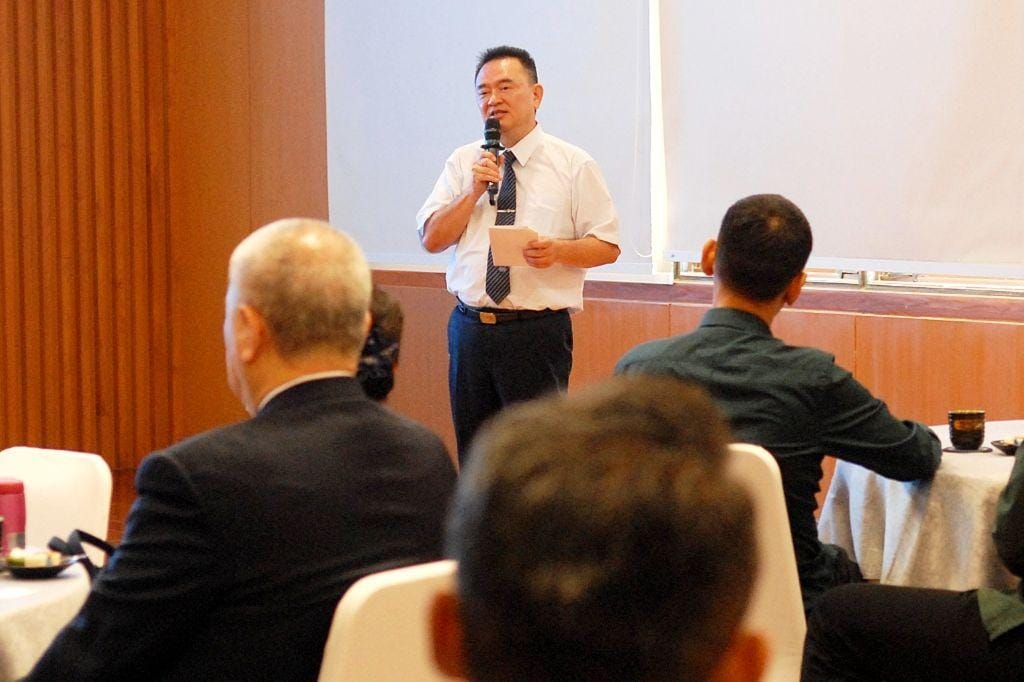
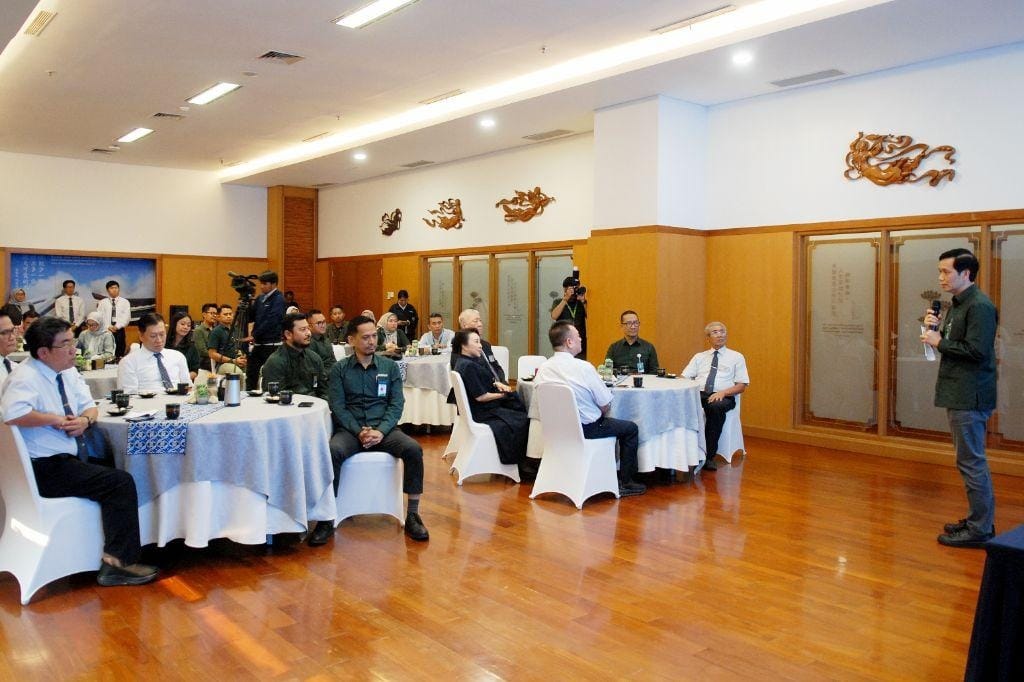
LEFT: During address, Hong Tjhin, Executive Secretary of Tzu Chi Indonesia, introduced Tzu Chi to the Citilink Airlines team. RIGHT: Darsito Hendroseputro, President Director of Citilink Airlines, said he was deeply moved to witness Tzu Chi volunteers accompanying the families after the plane crash. | Photos: Metta Wulandari
This approach was demonstrated following the AirAsia Flight QZ8501 tragedy in 2014, when local volunteers immediately set up support stations at Juanda International Airport in Surabaya. Similarly, in 2018, following the Lion Air Flight JT610 crash, Jakarta volunteers accompanied grieving families at Soekarno-Hatta International Airport and the police hospital, ensuring affected individuals were not left to navigate their grief alone.
For Citilink, combining aviation capabilities with humanistic care fills a critical need in crisis response management. Darsito Hendroseputro, President Director of Citilink, recalled witnessing volunteers in action during past aviation tragedies, noting how deeply impressed he was by their selfless care for families regardless of cultural or religious backgrounds.
We certainly hope we will never need to activate this emergency response plan, but if disasters do occur, we hope Tzu Chi can accompany the families through their most difficult moments. — Darsito Hendroseputro, President Director of Citilink Airlines
Through this collaboration, both organizations combine commercial aviation expertise with compassionate community care, ensuring that future emergency responses across Indonesia are not only fast and efficient, but deeply human.
Written by Metta Wulandari
