


What does the food on our plate have to do with compassion?
Every day, we decide what to eat, how much, and why. The choices we make at the dining table each day reflect our deepest values. They are not just about satisfying hunger or maintaining health; they reveal our attitude toward life and how we respond to the world around us.
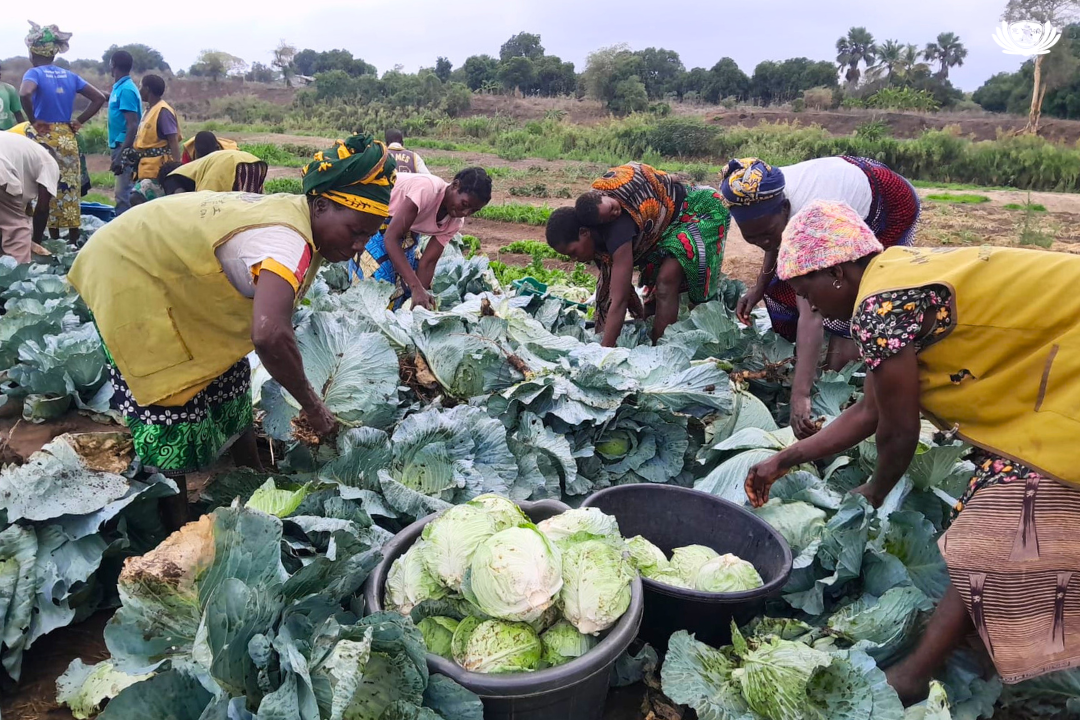
When we look at food this way, vegetarianism becomes more than a dietary preference; it can grow into a daily spiritual practice that begins with every meal—a gentle yet steady act of compassion, expressing care for all living beings and gratitude for Mother Earth. Within Tzu Chi, this understanding becomes very concrete: vegetarianism is not treated as a badge of moral superiority or a rigid rule, but as a conscious way to reduce harm and nurture both body and mind.
The spirit of vegetarianism
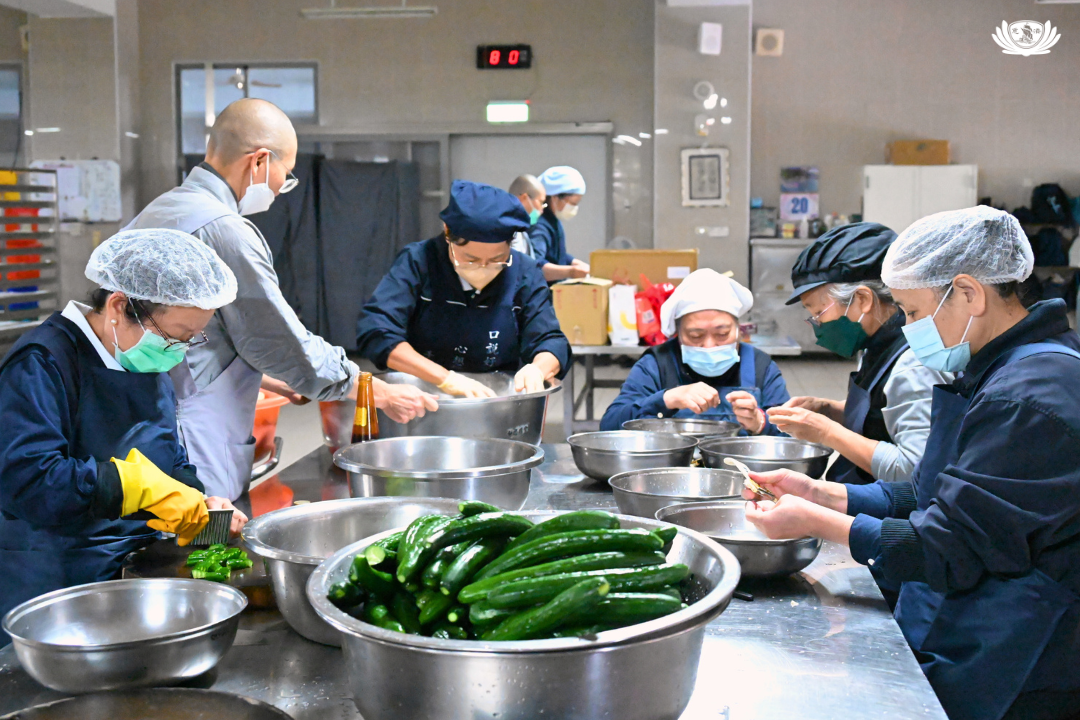
Buddhism encourages a plant-based way of eating from a simple, profound starting point: not bearing to see sentient beings suffer. The Buddha taught that all living beings possess Buddha‑nature and cherish their own lives. “Do not kill” is therefore not only the foremost precept for Buddhists, but also a basic expression of respect for all life.
As the Buddhist scriptures say, “Those who eat meat sever the roots of great compassion.” This teaching reminds us that consuming the flesh of sentient beings gradually numbs our innate compassion. When we can empathize with the fear and cries of animals facing slaughter, a reluctance to eat their flesh naturally arises. Choosing a vegetarian diet is a direct way to nurture this sensitivity and avoid creating negative karmic ties with other beings.
Crucially, one does not need to be Buddhist to live out these values. Anyone who feels they cannot easily accept another being’s suffering for the sake of taste is already responding from the same place.
Gratitude, respect, and love at the table
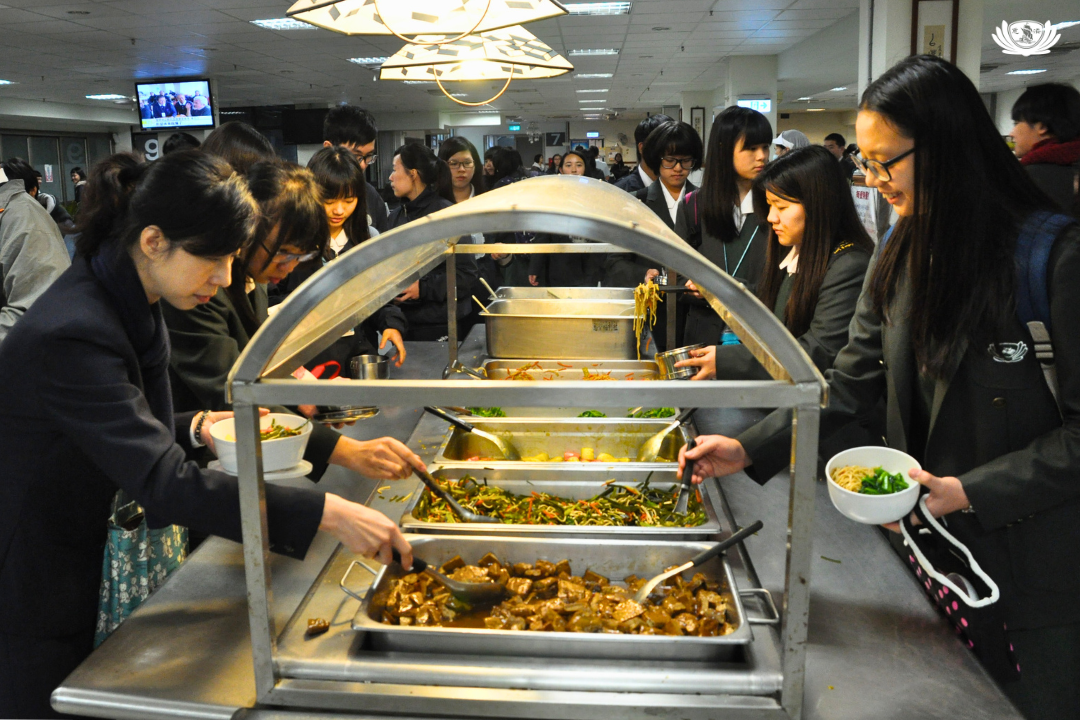
Building on the Buddha’s compassionate teachings, Dharma Master Cheng Yen has expanded the meaning of vegetarianism from a personal practice to a path of “Living Bodhisattvas” that benefits all. In Tzu Chi, vegetarianism is a tangible expression of the values of gratitude, respect, and love.
- Gratitude: We are grateful to the Earth and all living things for providing the food that nourishes us, and to the farmers for their hard work. Recognizing our blessings, we cherish them and choose not to harm other lives for the sake of our own desires.
- Respect: We honor the right of every being to live. Animals, like humans, are members of the global family, and we have no right to decide their fate.
- Love: We extend our love for humanity to all living beings. This selfless “Great Love” is expressed through the choices we make for every meal.
Master Cheng Yen often reminds us that true abundance lies in a pure and contented heart. When we let go of excessive cravings and choose simple, natural plant-based foods, we purify both body and mind. This purity becomes the foundation for a stable and harmonious society.
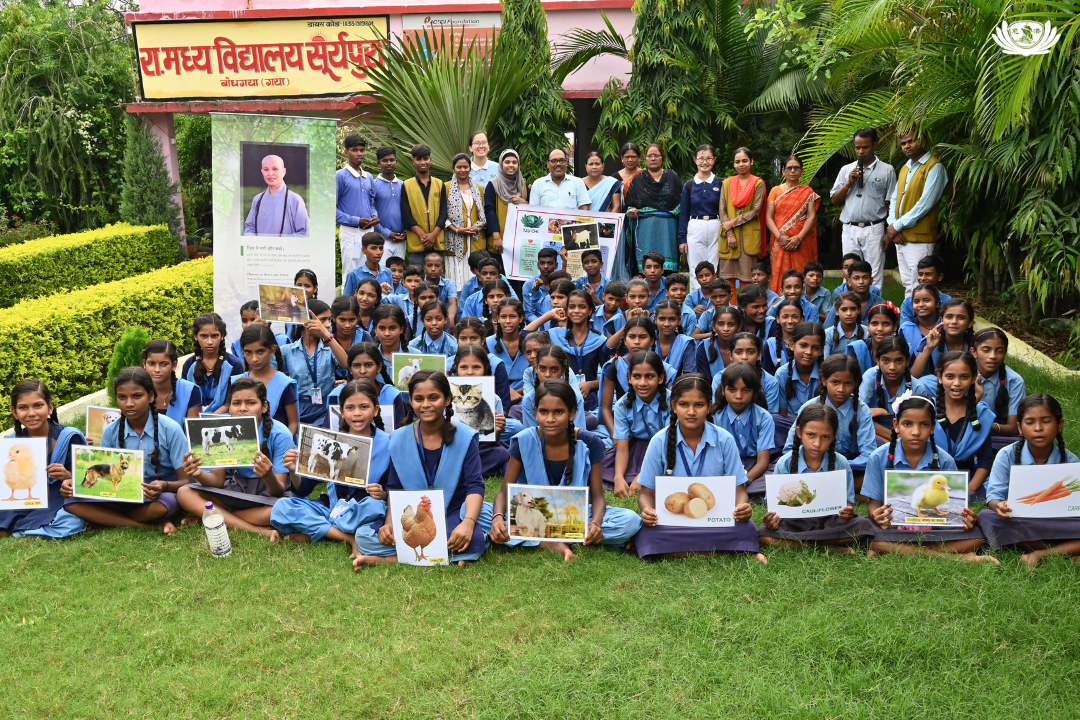

LEFT: Students at Suryapura Middle School in Bodhgaya, India, take part in a vegetarian promotion activity led through drama by Tzu Ching youth volunteers. | Photo: Tsun-Chih Cheng (鄭村池) RIGHT: Radhika Kumari (center), a seventh-grade student from Suryapura Middle School, has been vegetarian for two years and says, “We should treat everyone equally and love all animals,” as she invites a neighbor to support plant-based eating. | Photo: Mun-Fei Yong (楊文輝)
Why a plant-based meal matters today
Modern science has shown that the benefits of vegetarianism go far beyond religious practice. A plant-based diet has concrete impacts on our health, our societies, and our planet.
- Environmental Protection
The United Nations’ Food and Agriculture Organization (FAO) estimates that livestock production accounts for over 14% of global greenhouse gas emissions. It also consumes vast amounts of land, water, and grain. Choosing plant-based foods directly reduces carbon emissions, eases pressure on forests and water, and offers an environmental action that almost everyone can take.
- Health and Prevention
A balanced plant-based diet is rich in fiber, vitamins, and protective plant compounds, and lower in saturated fat. Medical studies, including those from Hualien Tzu Chi Hospital, indicate that such diets can help prevent or improve conditions like cardiovascular disease and diabetes. In an age of frequent epidemics, plant-based eating also reduces the risk of zoonotic diseases that arise from intensive animal farming.

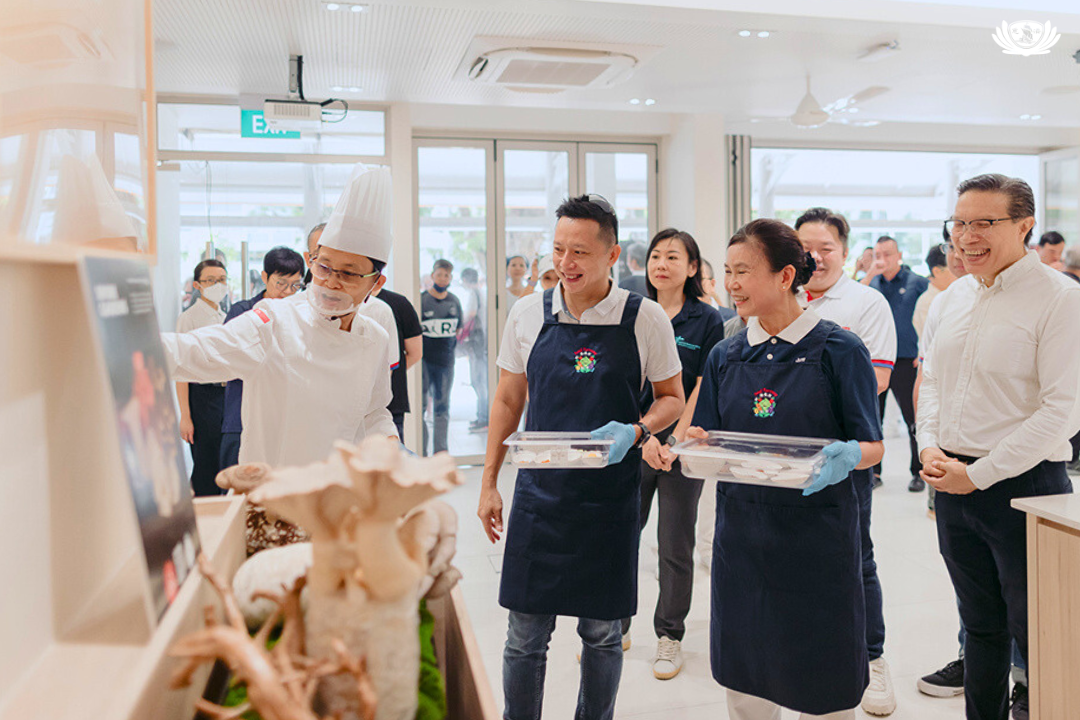
LEFT: Tzu Chi’s “VO2 Vegetarian Meal Platform” in Taiwan, encourages people to “Choose VO2 instead of CO2” by ordering plant-based lunches in reusable containers, reducing both carbon emissions and single-use waste. | Photo: Yao-Hua Hsiao (蕭耀華) RIGHT: Tzu Chi Food Farmacy in Singapore, the country’s first “Food as Medicine” initiative, promotes an evidence-based Whole Food Plant-based diet through cooking classes and health talks that help patients and families apply this concept in daily life. | Photo: Tzu Chi Singapore
- Social harmony and fairness
When large amounts of grain are used to feed livestock instead of people, questions of food justice become sharper. Choosing vegetarian options helps shift resources toward direct human consumption and makes it easier to support those in need.
Just as importantly, a vegetarian culture encourages a nonviolent way of living. It invites families and societies to reflect on the value of life and to treat both humans and animals with more care. From this reflection, more peaceful, supportive communities can gradually grow.
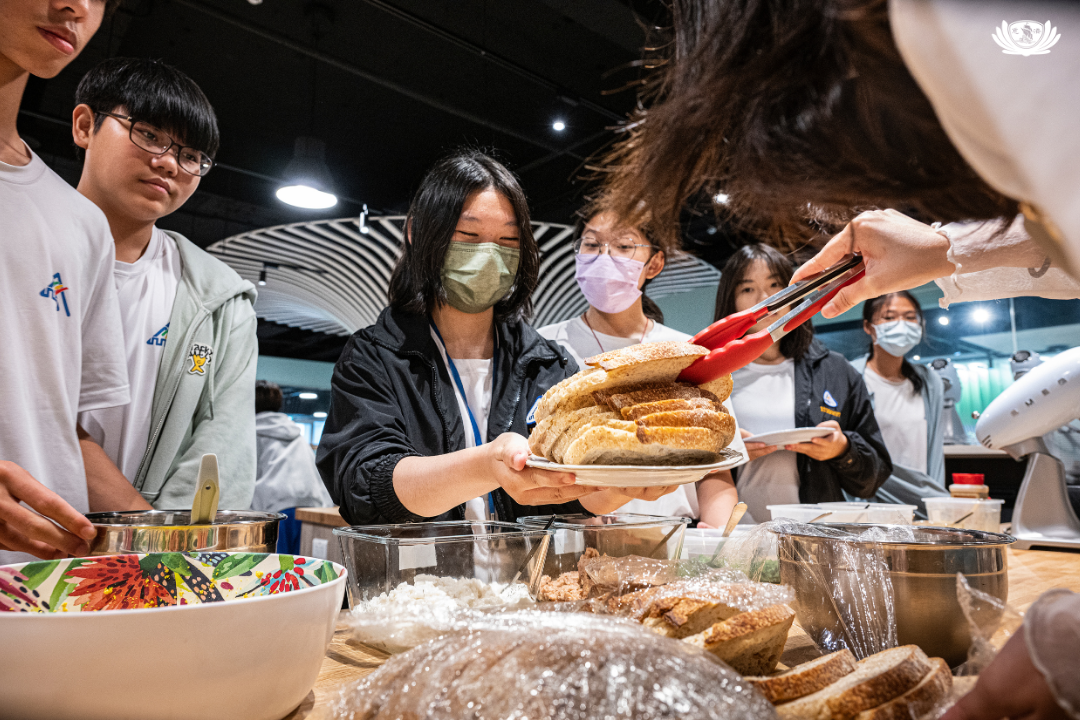

LEFT: Students from Taipei Municipal Fuxing Senior High School take part in a hands-on plant-based sandwich workshop at the cooking classroom inside Plantārium as part of the Earth Sustainability Impact Program, which helps youth connect everyday food choices with caring for the planet. | Photo: Yao-Hua Hsiao (蕭耀華) RIGHT: Shoppers browse Noemí, the natural plant-based supermarket inside Plantārium, a Tzu Chi–initiated youth co-creation space in Taipei that promotes low‑carbon plant-based living through its cooking and baking classrooms, Jing Si Books & Café, plant-based supermarket, and light vegan buffet restaurant. | Photo: Pei-Hsuan Li (李佩璇)
Tzu Chi’s global vegetarian actions
Tzu Chi has transformed its vegetarian philosophy into concrete action worldwide, using diverse and innovative approaches to bring plant-based living into communities everywhere.

- Deep Engagement in Communities and Schools
Tzu Chi volunteers organize vegetarian cooking classes, health seminars, and plant-based advocacy campaigns in communities worldwide, sharing delicious and nutritious recipes and dispelling myths that vegetarian food is bland or lacking in nutrition. In Tzu Chi’s medical and educational missions, vegetarianism is part of daily life—hospitals serve healthy plant-based meals to patients and staff, on-site outlets such as 7‑Eleven, FamilyMart, and Starbucks offer only vegetarian options, and school canteens also serve exclusively vegetarian dishes, while life education classes instill compassion for all living beings from an early age.
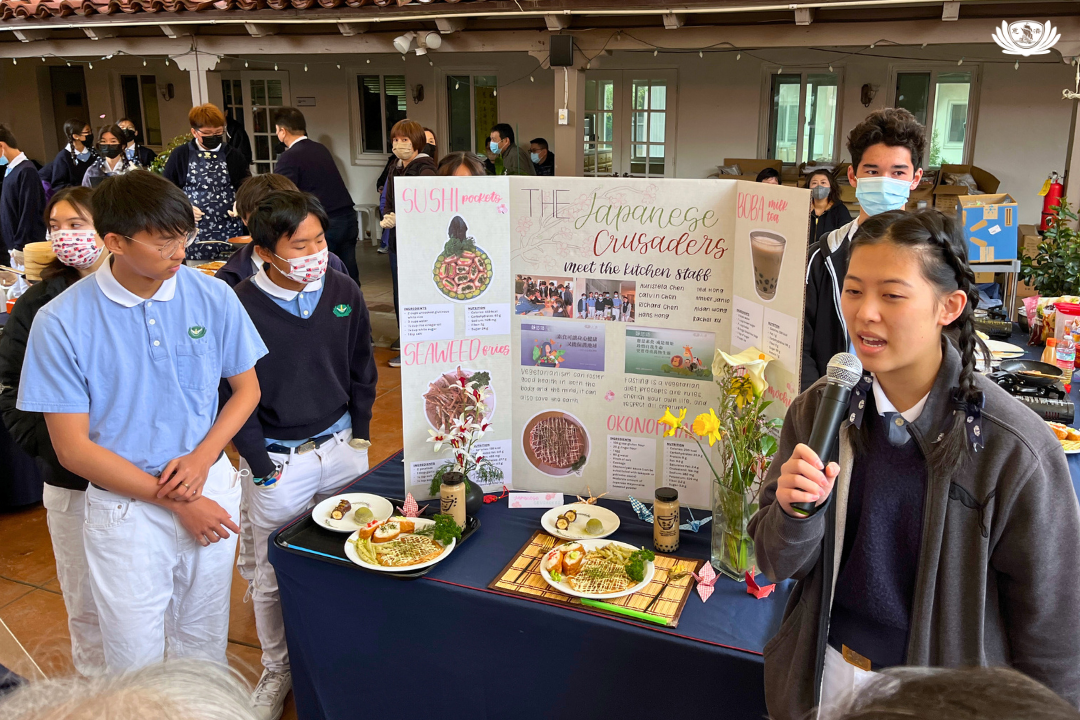
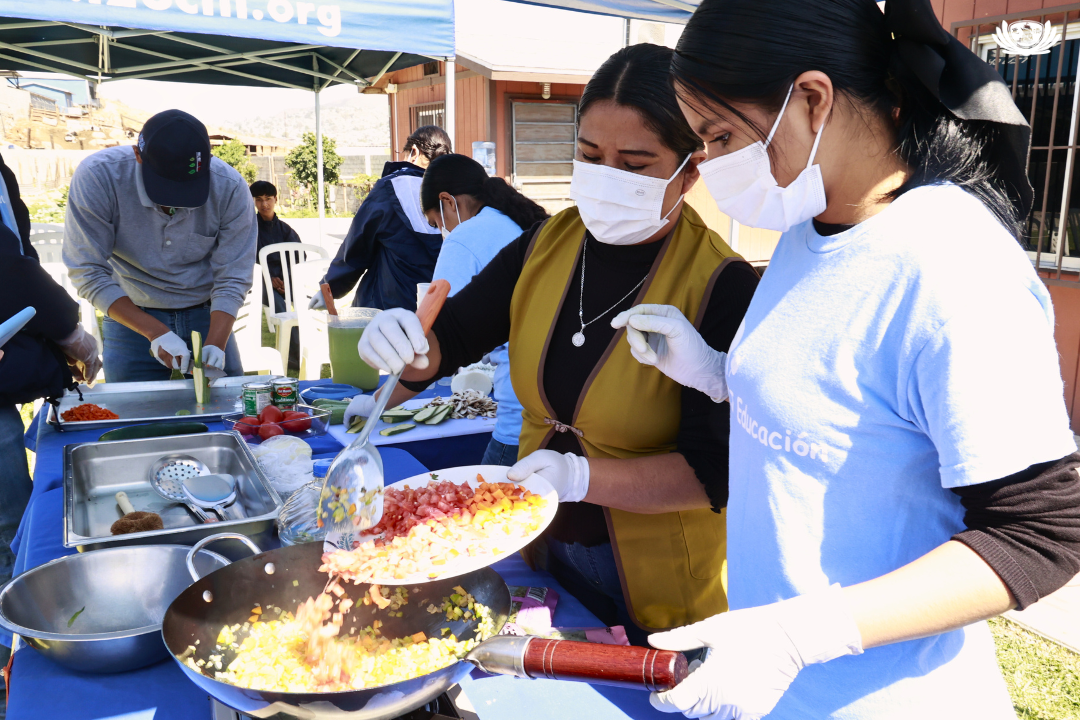
LEFT: The 10th Annual Iron Chef competition at the Tzu Chi USA Headquarters in San Dimas, California, features Tzu Chi youth from the Inland region presenting Taiwanese street-food-inspired vegetarian dishes. | Photo: Thoai Long Truong (張瑞龍) RIGHT: A mother and daughter cook side by side during a vegetarian cooking competition at the “Hope Classroom” in Tijuana, Mexico, learning how to prepare healthy plant-based dishes together. | Photo: Mandy Lo (駱淑麗)
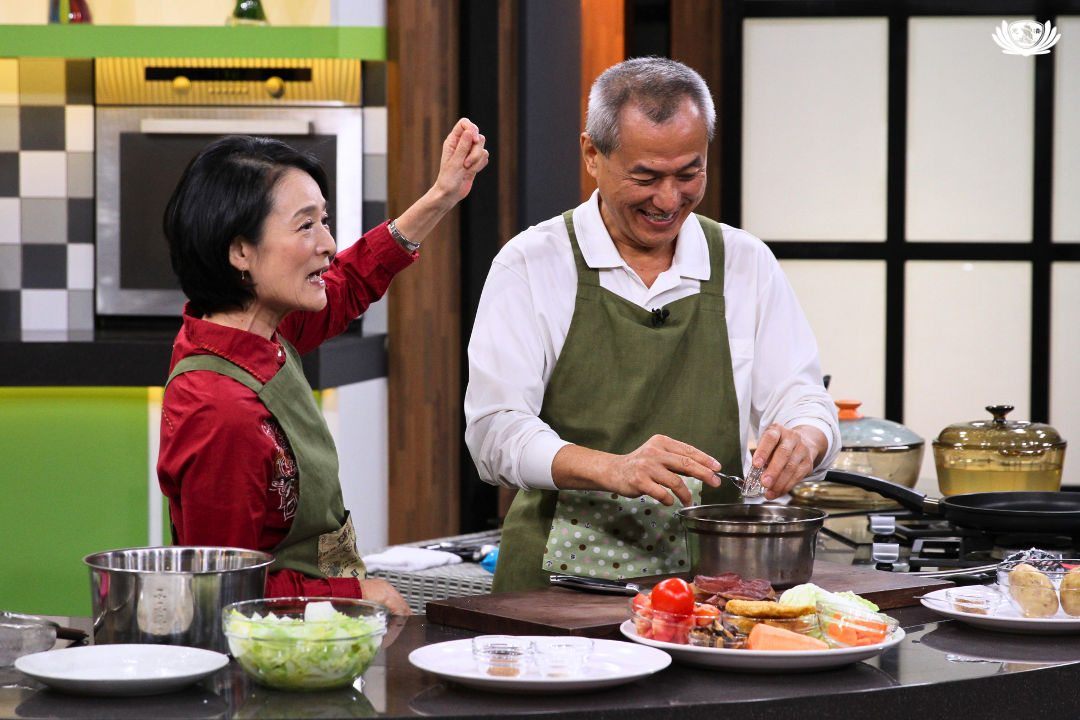
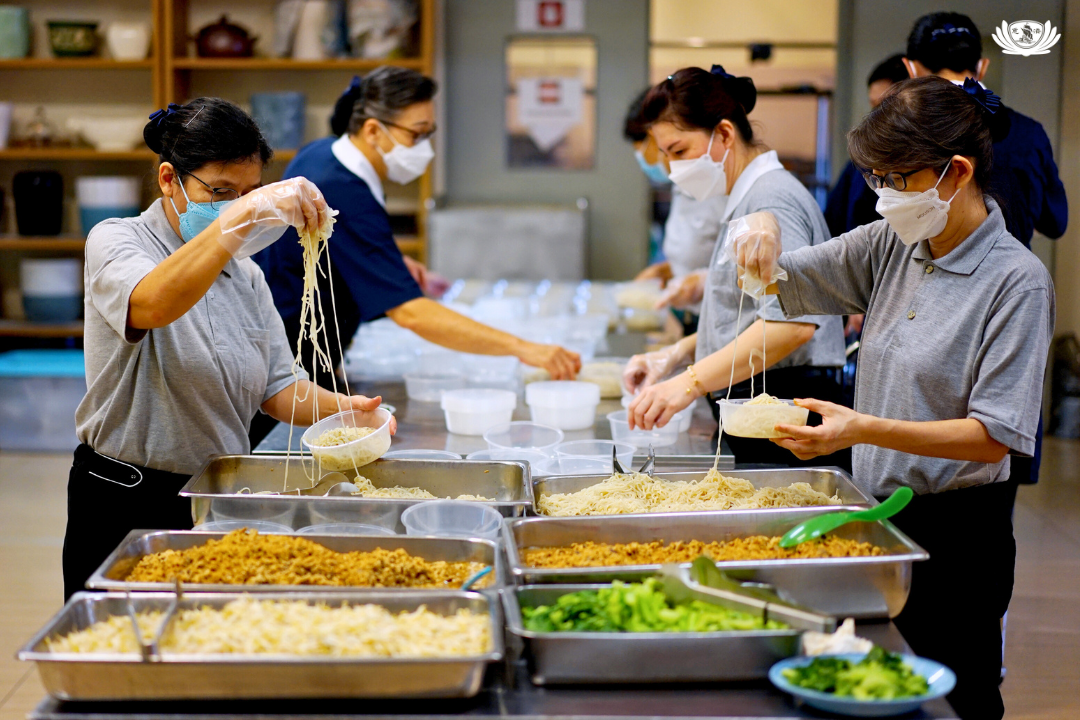
LEFT: Da Ai TV‘s vegetarian program “Modern Vegetarian Lifestyle” is filmed in Taipei, featuring a cooking demonstration on simple, tasty plant-based dishes for home kitchens. | Photo: Hui-Ting Hu (胡輝庭) RIGHT: Volunteers in Jakarta, Indonesia, prepare nutritious plant-based noodle bowls for participants in the “21-Day Health Challenge.” Similar programs, usually guided by doctors and nutritionists, are also held in Taiwan, Malaysia, and Singapore to help people improve diet-related conditions through balanced plant-based meals. | Photo: Metta Wulandari
- Warmth and Comfort in International Disaster Relief
At disaster sites around the world, Tzu Chi volunteers always provide hot, nourishing vegetarian meals. Whether cooking on-site with mobile kitchens or distributing ready-to-eat Jing Si Instant Rice, they ensure that even in times of crisis, respect for life is never compromised. These meals offer not only sustenance but also comfort and hope.
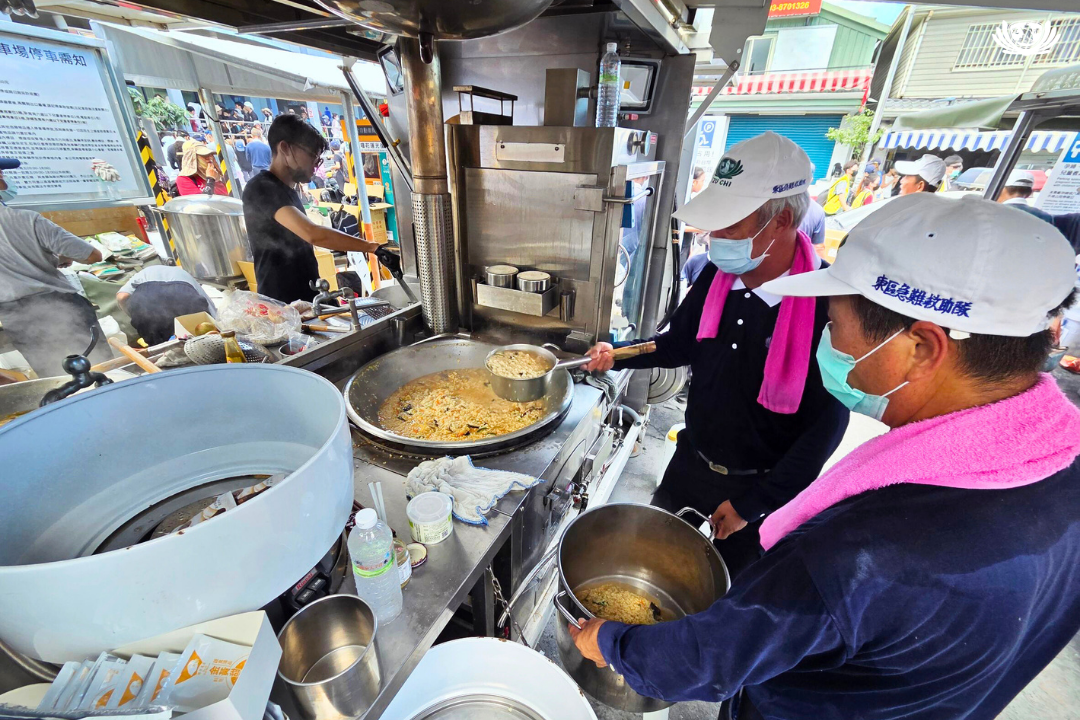

LEFT: Volunteers operate the Tzu Chi mobile kitchen outside Guangfu Railway Station in Hualien County, preparing large pots of hot meals for residents affected by Typhoon Ragasa and for relief workers. | Photo: Jia-Bin Wang (王嘉彬) RIGHT: Medical personnel from across Japan enjoy hot vegetarian meals prepared by volunteers during a break at Anamizu General Hospital, bringing warmth and comfort amid relief work after the Noto Peninsula earthquake. | Photo: Angeline Fransisca (施美君)
Protecting life and the earth, one meal at a time
Vegetarianism is far more than a dietary choice. It is an expression of inner gentleness, a deep respect for life, and a quiet form of spiritual cultivation.
In a time of climate change, resource depletion, and recurring disease outbreaks, choosing a plant-based meal is a simple, concrete way to respond. Each time we choose plant-based foods, we nourish our own bodies, help slow global warming, and spare countless lives from suffering.
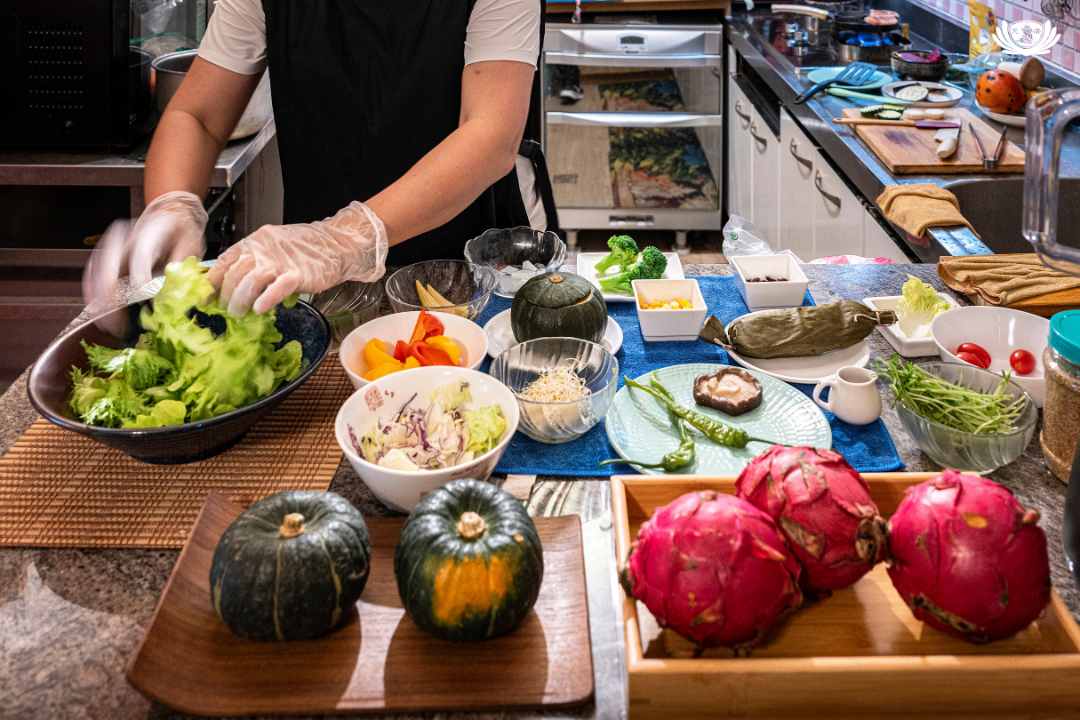
This change, which begins at the table, may seem small, but when multiplied, it can help heal the world and shape a brighter future. Let us start with our next meal by adding more plant-based dishes and eating less meat—a gentle step within everyone’s reach. Whatever the pace, may each choice be guided by compassion so that, together, we help create a healthier, more peaceful and more sustainable future for all beings and for the Earth.
