


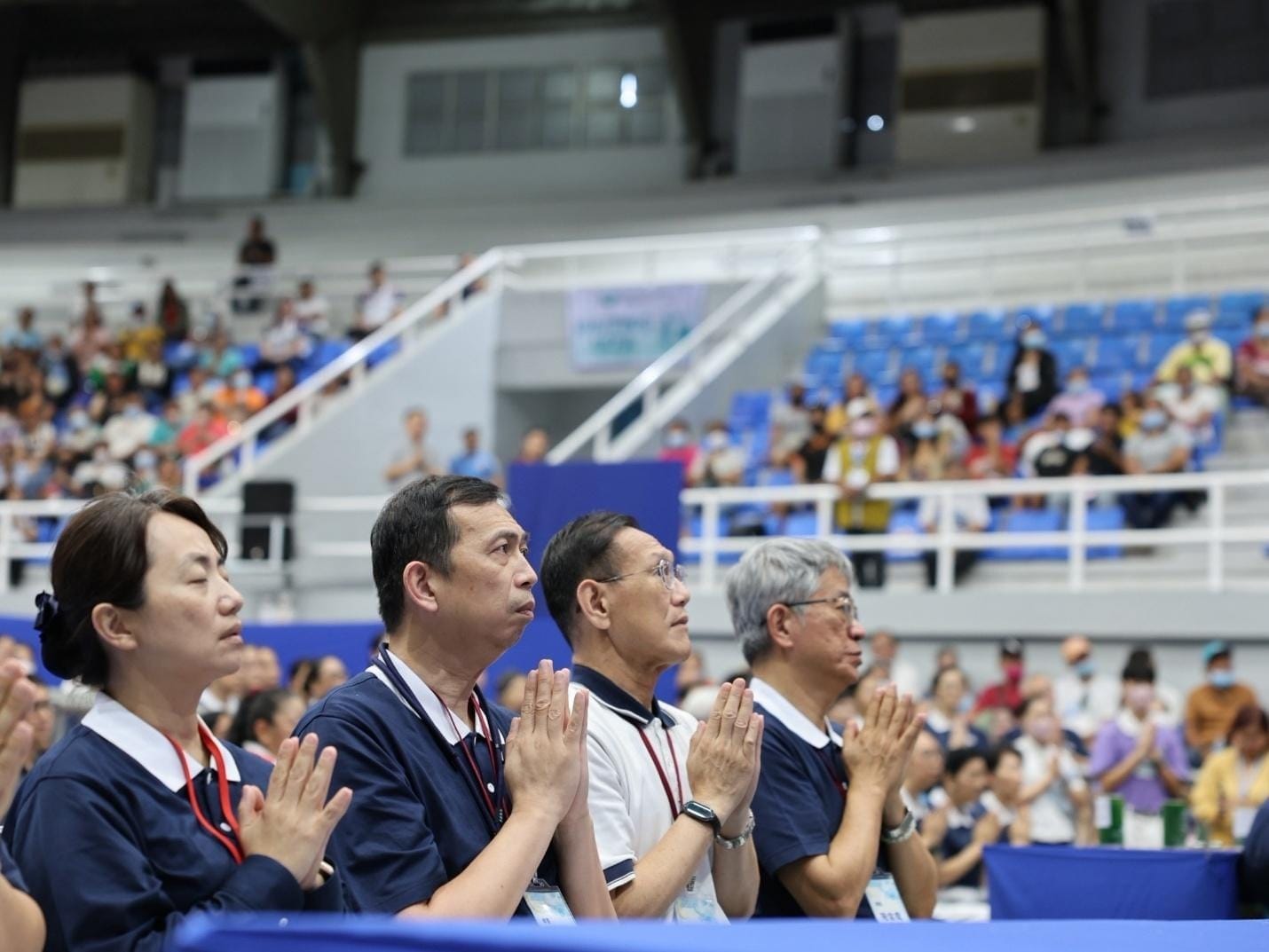
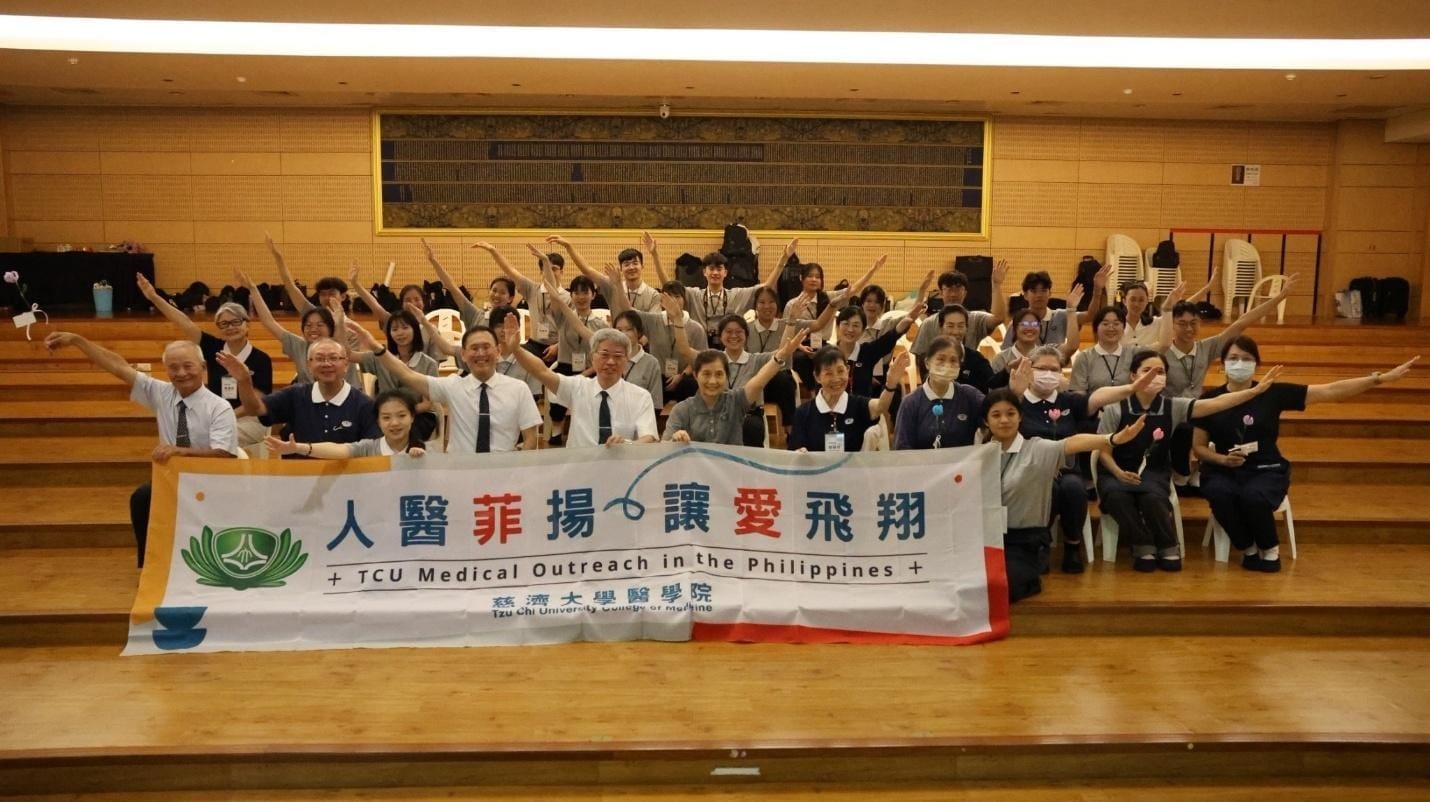
For many residents in the remote mountainous regions of Zamboanga, Philippines, malnutrition and severe economic constraints frequently delay critical medical treatment. Seeking to bridge this gap in healthcare access, 23 students from Tzu Chi University’s medical, nursing, physical therapy, pharmacy, and medical technology departments arrived at the Zamboanga Del Norte Convention and Sports Center on August 5, 2026. Led by Tsung-Ying Chen (陳宗鷹), Vice President and Dean of the Medical College, and Kun-Ruey Shieh (謝坤叡), Dean of Academic Affairs, alongside volunteers Wen-Lung Hsu (許文龍) and Pei-Jean Ku (顧心佩), the team joined the 292nd local medical mission to deliver direct care to the community.
The medical mission officially opened in the presence of local officials, including Zamboanga del Norte Governor Darel Dexter Uy and mayors Roberto Uy and Belen Uy. Following the opening, the student volunteers divided into two groups, alternating between the Zamboanga Del Norte Medical Center and the sports center to ensure continuous support for the high volume of patients arriving for treatment.

Photos: Pei-Ling Lu
Confronting healthcare disparities
Working at the triage station, medical student Yu-Chen Chang (張育禎) observed firsthand the severe health impacts of poverty. She noted that many patients from isolated areas presented with advanced goiters, a direct result of nutritional deficiencies combined with an inability to afford timely medical intervention. This exposure to the community's hardships highlighted that identical medical conditions require highly adaptable treatment plans depending on a patient's socioeconomic environment.
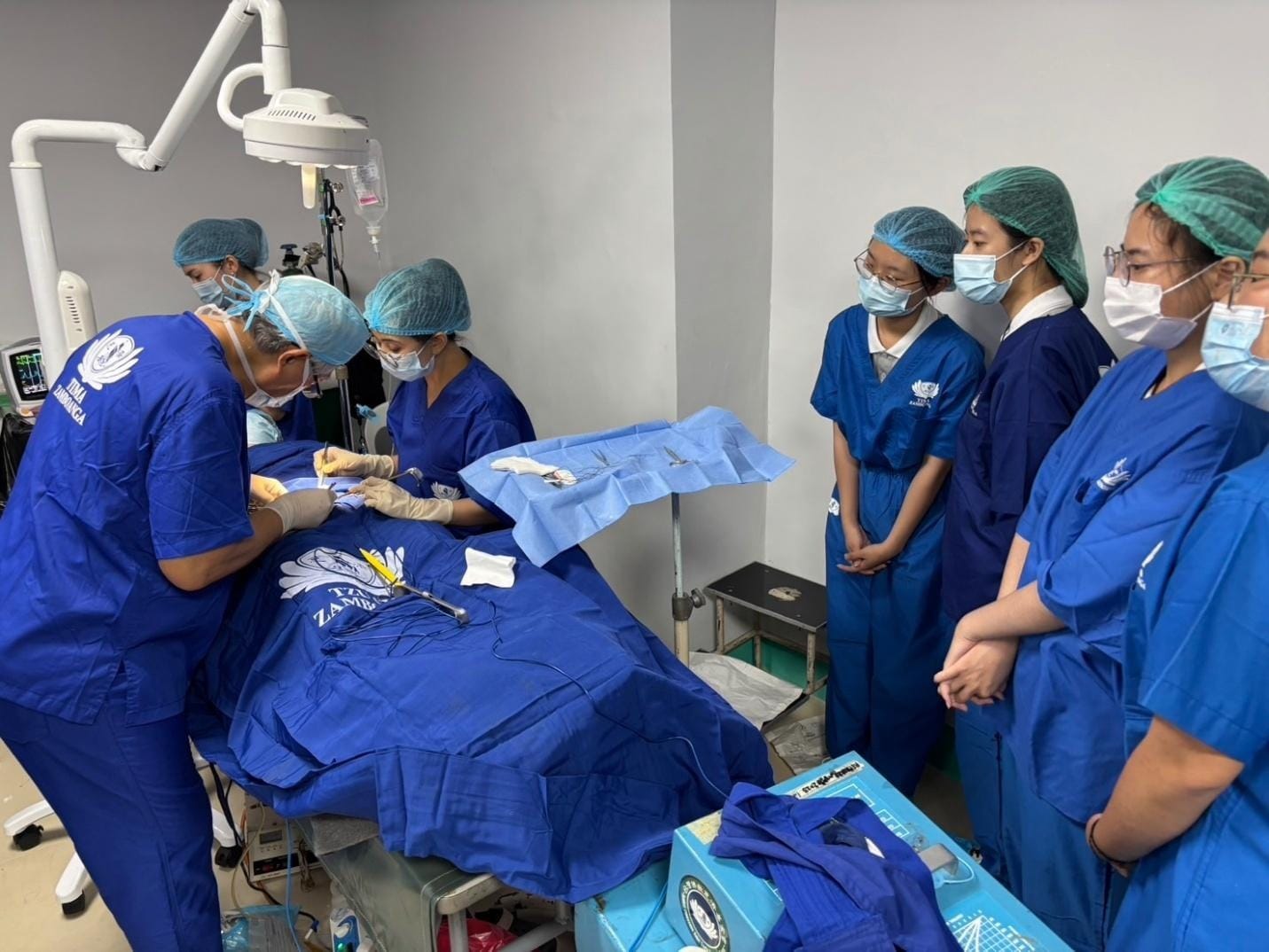
Operating in these resource-limited conditions also served as a practical necessity for the clinical teams. Surgeon Josefino Qua (柯賢智) guided the students through the realities of rural healthcare, demonstrating how limited equipment and challenging environments test a medical professional's resolve. By successfully performing surgeries under these constraints, the medical team provided immediate relief to patients while demonstrating the adaptability required for disaster and rural medicine.


Photos: Pei-Ling Lu
Surgical relief in demanding environments
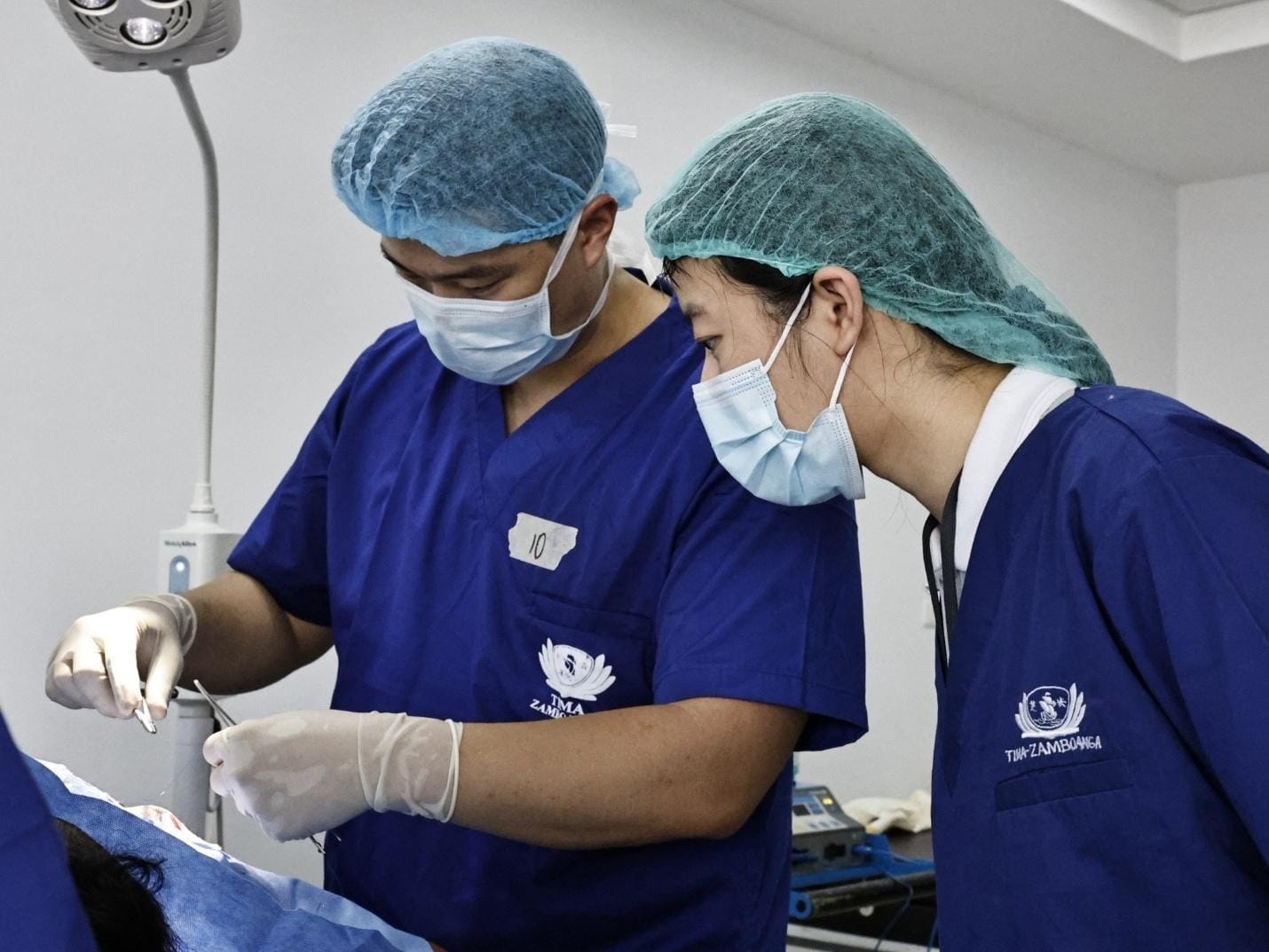
For many students, this mission marked their first time stepping into a live surgical environment. In makeshift operating rooms without air conditioning, the medical staff worked tirelessly through the heat to treat the steady stream of local residents. Student Yi-Ting Wang (王翊亭) directly assisted patients by measuring prosthetics and cutting sutures, witnessing the intense physical demands placed on the volunteer physicians. Similarly, Yu-Chien Chiu (邱郁茜) overcame initial dizziness in the surgical ward, drawing inspiration from the surgeons’ perseverance as they focused entirely on alleviating patient suffering.
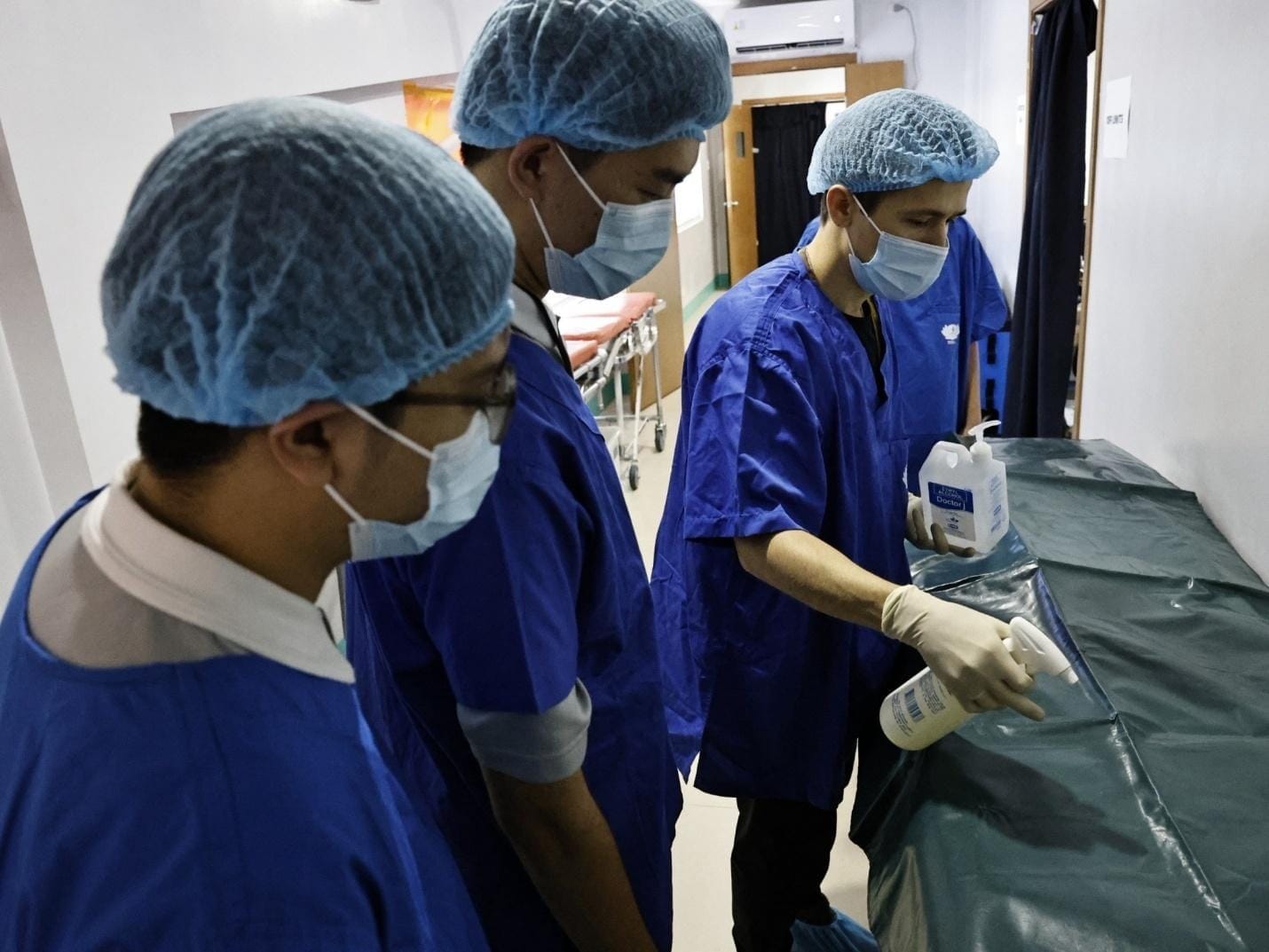
The clinic's success relied heavily on tight coordination among the medical staff to ensure patient safety and comfort. Nursing student Pei-Yen Lo (羅珮妍) served as a minor surgery assistant, directly facilitating instrument delivery, hemostasis, and suturing. Meanwhile, Yu-Han Chen (陳郁涵) managed the preparation of sterile instruments, recognizing the critical role of nursing protocols in preventing infection in a makeshift setting.


Photos: Pei-Ling Lu
The physical transport of patients post-surgery also required careful teamwork. Transport team member Jui-Chieh Sung (宋瑞傑) noted the physical exhaustion of the task but found the close-up observation of surgical recovery deeply rewarding. Dealing with severe cases, such as extreme parasitic infections, students Chi-Wen Cheng (鄭棋文) and Kuan-Hao Tsai (蔡寬豪) managed post-operative care and sanitation. They observed the calm, methodical approach of the attending physicians during complex procedures, ensuring that patients received dignified and safe care from the operating table to recovery.
Bridging communication gaps
The free clinic provided comprehensive services across multiple disciplines, including dentistry, internal medicine, pediatrics, and ophthalmology. To ensure patients understood their diagnoses, the medical team utilized creative communication methods. Pediatrician Ma Louisa Peralta hand-drew anatomical diagrams of the ear to help patients and students Te-Yuan Chiu (邱德原), Pei-Chen Tsai (蔡沛宸), and Jui-Chieh Sung understand specific auditory conditions. In the internal medicine department, physician Pin-Pin Chiu (邱彬彬) thoroughly explained complex cases to student Yin-Chi Mo (莫殷其), ensuring that treatment plans were clear despite the high-pressure environment.

Language barriers were a constant challenge, but the team adapted quickly to ensure patient comfort. Medical student Hsin-Yu Hsieh (謝昕妤) utilized translation software to facilitate accurate communication between the doctors and the local Tagalog and Cebuano-speaking residents. During dental extractions, Hsin-Yu Liu (劉芯宇) adapted her care approach by considering the cultural and economic backgrounds of the patients in her chair. To manage the large crowds waiting for care, Liu and Pin-Chieh Chen (陳品潔) engaged the community with health education trivia, providing practical hygiene and wellness knowledge to the waiting families.
Under the guidance of mentors like Jen-Pi Tsai (蔡任弼), head of the Chiayi Clinic, and Anton-Mari Lim (楊偉順), Deputy CEO of Tzu Chi Philippines, the students focused on delivering practical, respectful care. By stepping out of the classroom and directly addressing the urgent health needs of Zamboanga's rural population, the medical team provided immediate physical relief while building a foundation for sustainable, compassionate medical practice.
Photos: Pei-Ling Lu
Written by Pei-Ying Chen (陳珮瀅)
