


Between January and March 2026, Malawi experienced heavy rainfall and devastating floods. A powerful low-pressure system that lingered over the country from March 16 to 20 brought further torrential rain to southern and lakeshore areas. With the soil already saturated from earlier rainfall, the additional downpours quickly turned into powerful surface runoff and flash floods.
Homes collapsed, crops were destroyed, and roads and bridges were damaged, hampering relief efforts. By April 16, official reports had confirmed at least 34 deaths and 197 injuries, with approximately 69,088 households affected across 23 of the country's 36 districts. Flooding also contaminated water sources and damaged sanitation facilities, increasing the risk of waterborne diseases, including cholera.
Recognizing the urgent needs of affected communities, Tzu Chi volunteers organized large-scale relief distributions in two of the hardest-hit districts, Chikwawa and Nsanje. Between June and July, the team provided food and essential living supplies to 10,000 households, helping families meet their immediate needs while encouraging a spirit of mutual care as they worked toward recovery.
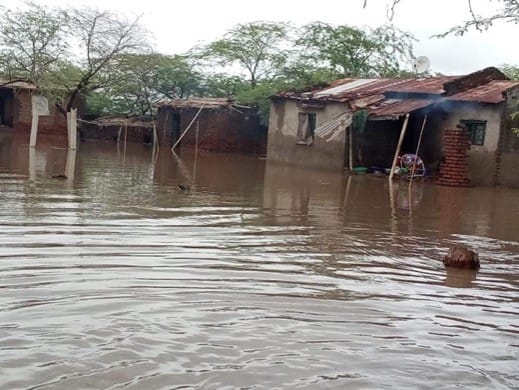
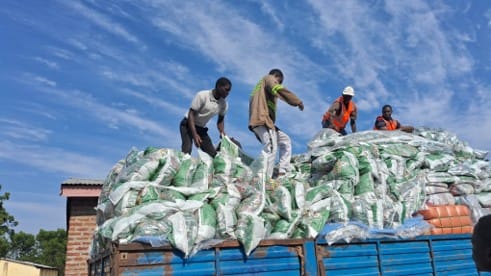
LEFT: Multiple areas in central and southern Malawi suffered severe infrastructure damage during the floods, prompting a nationwide disaster response. RIGHT: A truck transports relief supplies to Chikwawa and Nsanje, the two districts hardest hit by the floods. | Photos: Tzu Chi Malawi
Reaching the hardest-hit communities in Chikwawa
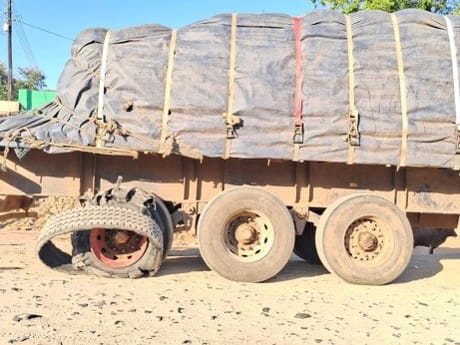
From June 11 to 15, volunteers traveled to Chikwawa to distribute relief supplies across five villages: Kamoto, Mpokonyola, Isso, Kapasule, and Kaphiri. The journey was challenging. Poor road conditions slowed transportation, and a truck carrying supplies suffered a flat tire, delaying the team's arrival. When the volunteers finally reached Kamoto, however, villagers who had been waiting patiently greeted them with joy. Many had begun to fear that assistance would never come.
Each of the 5,000 beneficiary households received food and essential supplies, including maize flour, soy chunks, nutritional grain powder, cooking oil, sugar, and salt. The packages also contained clothing, blankets, mosquito nets, and water purification drops to help families address their daily needs and protect their health.
For many residents, the assistance came at a critical time. In Mpokonyola, Banda had lost both her maize field and her home to the floods. With her family struggling to make ends meet, she had almost given up hope of receiving help. When volunteers visited her temporary shelter and delivered the supplies, she was moved to tears.
Thank you very much. We thought you wouldn't come, that the world had already forgotten us. May God bless the hands that give and the feet that walked to help us. — Banda, Resident of Mpokonyola
The distributions also paid special attention to families facing additional challenges. One mother, who cared for her child with hearing and speech impairments, struggled to provide enough food for her family of five. She shared that her household had often been overlooked during previous village distributions. Receiving food and other essential supplies made her feel that her family's circumstances had finally been seen and understood. She expressed gratitude to the volunteers and everyone who had made the assistance possible.
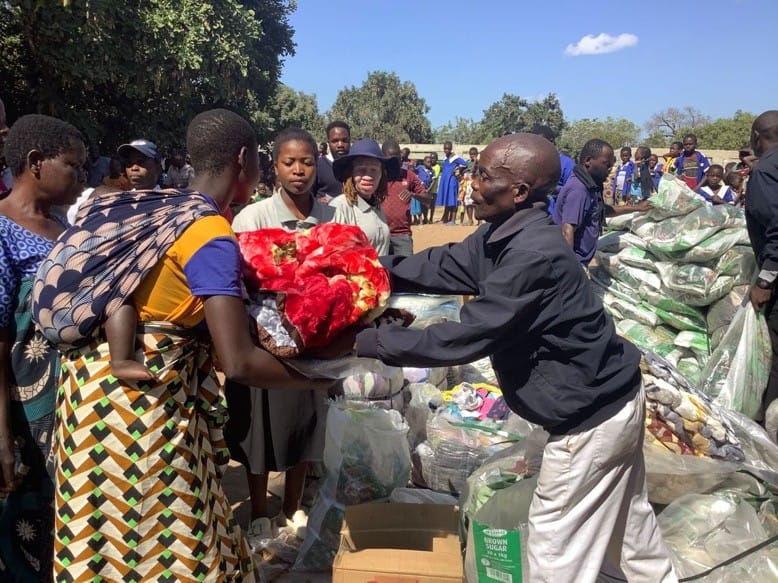
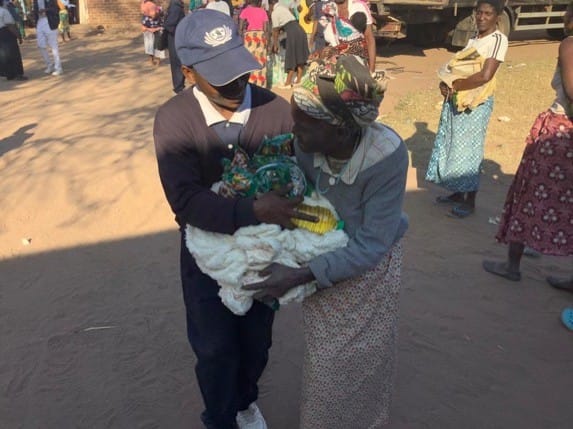
A volunteer hands relief supplies to a resident, helping her family through a difficult time. | Photos: Tzu Chi Malawi
Continuing the journey to Nsanje
In July, the relief efforts continued in Nsanje, where volunteers reached another 5,000 households across ten villages, including Kachere, Mwandikoya, and Ntolongo. The floods had left many residents struggling, particularly older people, people with disabilities, and families with young children.
During a home visit in Mwandikoya, volunteers met an elderly woman who relied on a wheelchair and lived with her grandchildren. The family was in a particularly difficult situation. When their primary caregiver fell ill, they went three days without food. The grandmother also lacked warm clothing and had been wrapping herself in thin pieces of cloth to keep warm. Volunteers brought food, clothing, and a thick blanket, providing immediate relief and reminding the family that they had not been forgotten.
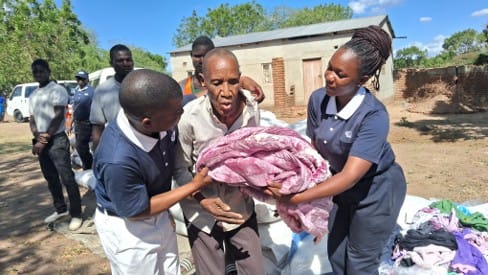
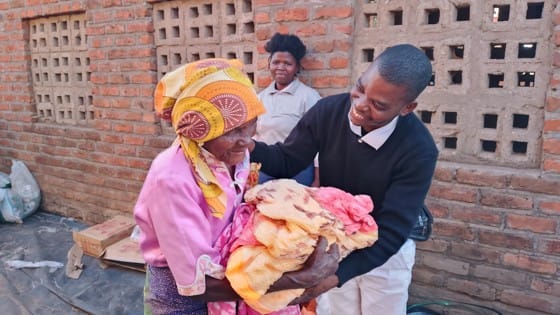
Volunteers deliver essential supplies to the residents in Nsanje. | Photos: Tzu Chi Malawi
The floods also disrupted children's education and daily lives. At a kindergarten in Kachere, floodwaters had swept away teaching materials and students' uniforms. Volunteers provided books featuring Jing Si Aphorisms and arranged to bring replacement uniforms, helping the children continue their learning with the supplies they needed.
In Nyang'a village, volunteers extended special care to eight orphaned children and three children with albinism. Having lost their primary caregivers, these children faced food insecurity and concerns about their safety. Volunteers brought essential supplies and offered words of encouragement, letting them know that people far away cared about their well-being.
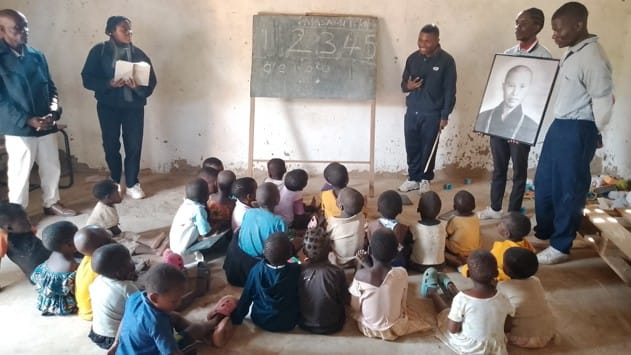
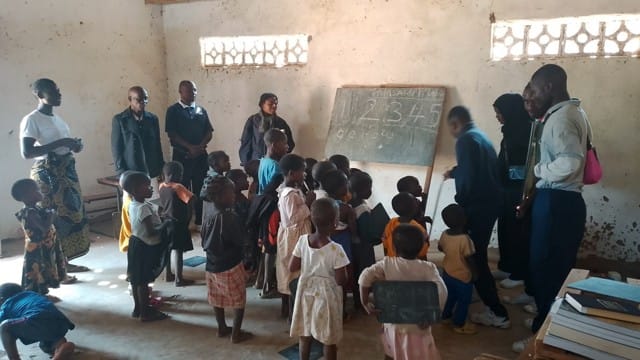
Volunteers provide the children with Jing Si Aphorisms books to support their continued learning. | Photos: Tzu Chi Malawi
Fostering a spirit of mutual care
Beyond providing material assistance, the relief efforts also sought to nurture a lasting spirit of mutual support within the communities. Volunteers shared the story of Tzu Chi's Bamboo Bank Era, explaining how small, daily acts of giving can come together to help people in need. The message resonated with villagers, many of whom had previously believed that only wealthy people could afford to help others.
Inspired by the idea, residents in villages such as Nzunga and Luben began pooling their limited resources to support neighbors facing hardship. Although they were flood survivors themselves, they willingly contributed small coins to a blue basin. The money collected will be used to help a child with a disability and a woman living with facial disfigurement in their own community.
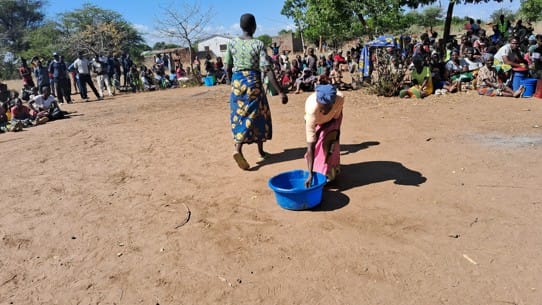
Between June and July, Tzu Chi's relief distributions in Chikwawa and Nsanje reached 10,000 households across 15 villages. Through the combined efforts of volunteers, village leaders, and residents, families received much-needed food and essential supplies, while communities found renewed encouragement to support one another.
Even amid hardship, the experience showed how compassion can bring people together. Those who received help were also inspired to extend a helping hand, allowing kindness to take root and grow within their communities.
