


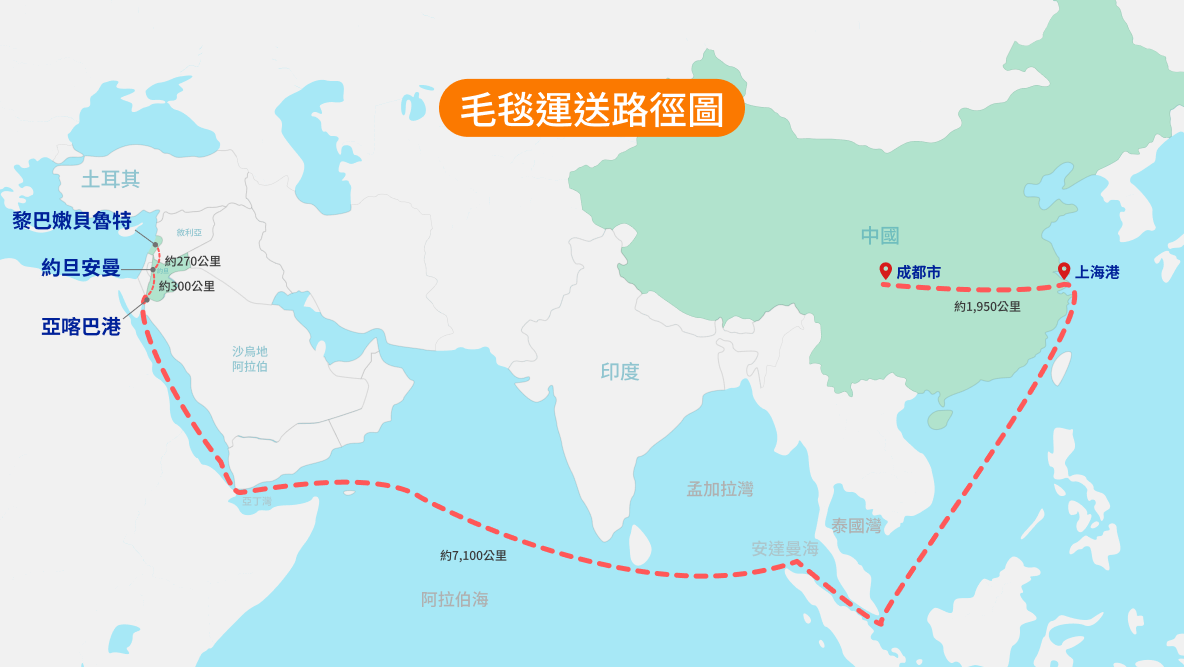
Amid the ongoing conflict in the Middle East, thousands of families have been forced from their homes. To provide support, 6,228 thick eco-blankets have been mobilized for immediate distribution. Originally shipped from Chengdu, China, and temporarily stored in Jordan, these blankets are now bound for those seeking refuge in Lebanon.
The blankets carry the care of countless individuals. Made entirely from recycled PET bottles, the materials were collected, washed, and sorted by Tzu Chi's recycling volunteers across China before being woven into thick fabric at the DAAI Technology facility in Chengdu.
Escalating conflict displaces millions
The humanitarian crisis worsened significantly earlier this year. Following severe regional tensions in late January 2026, military engagements escalated. On April 8, a series of heavy airstrikes hit over a hundred locations in just ten minutes, severely affecting civilian areas in Beirut.
The toll on the civilian population has been immense. By mid-April, reports indicated over 2,000 fatalities and more than 6,400 injuries. Approximately 1.2 million people—roughly 20 percent of Lebanon's population—have evacuated their homes. With only about 137,000 individuals able to find space in the nearly 700 official shelters, the vast majority are scattered across communities, relying on informal and inadequate sheltering arrangements.

Facing freezing nights in makeshift tents
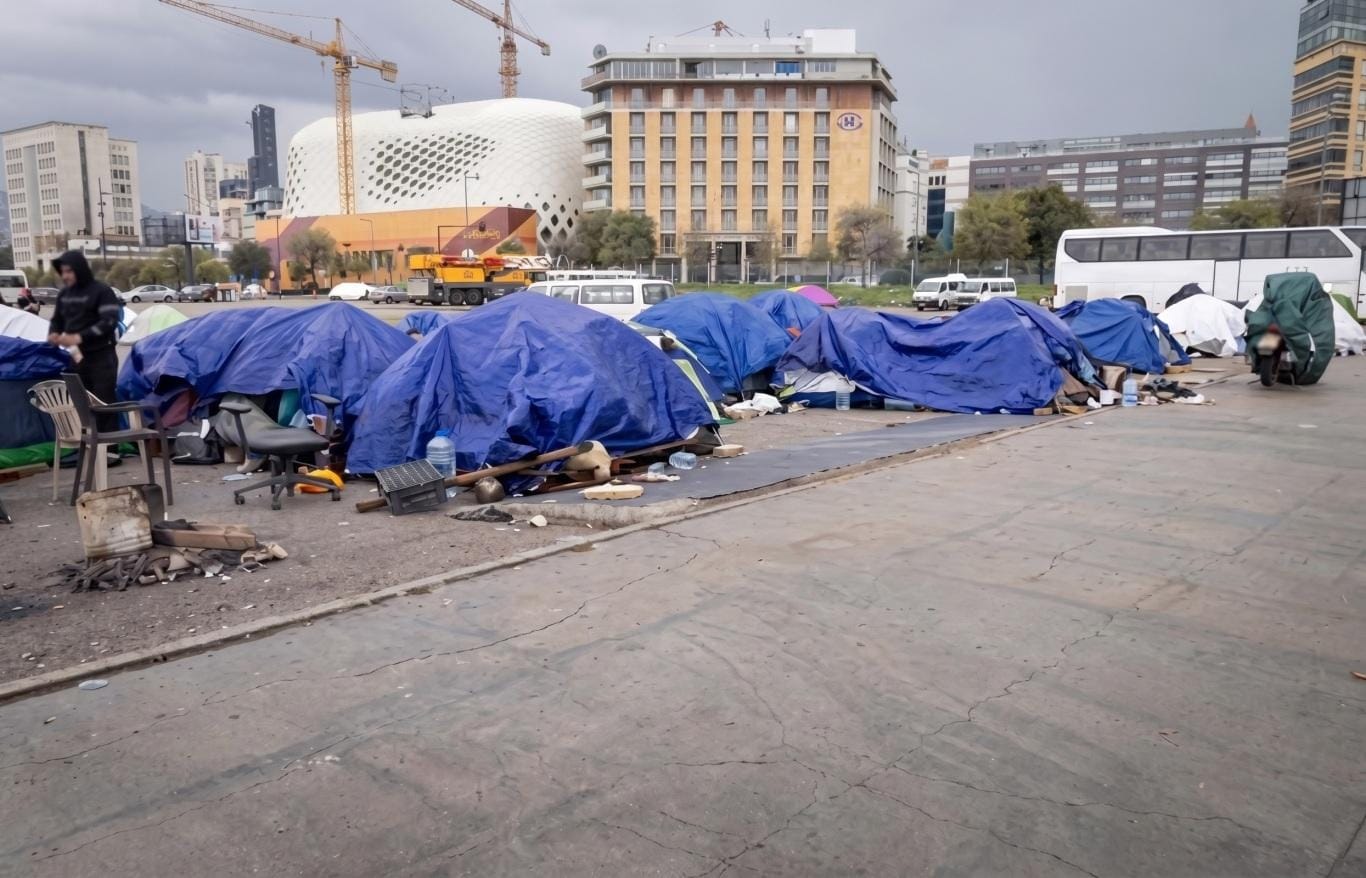
Fleeing in panic, many residents escaped with only the clothes on their backs. Throughout downtown Beirut, temporary tents and fragile structures have sprung up, with families huddling under thin plastic sheets. The situation becomes even more critical at night when temperatures plummet to around four degrees Celsius, exposing the displaced population to severe cold without sufficient winter supplies.
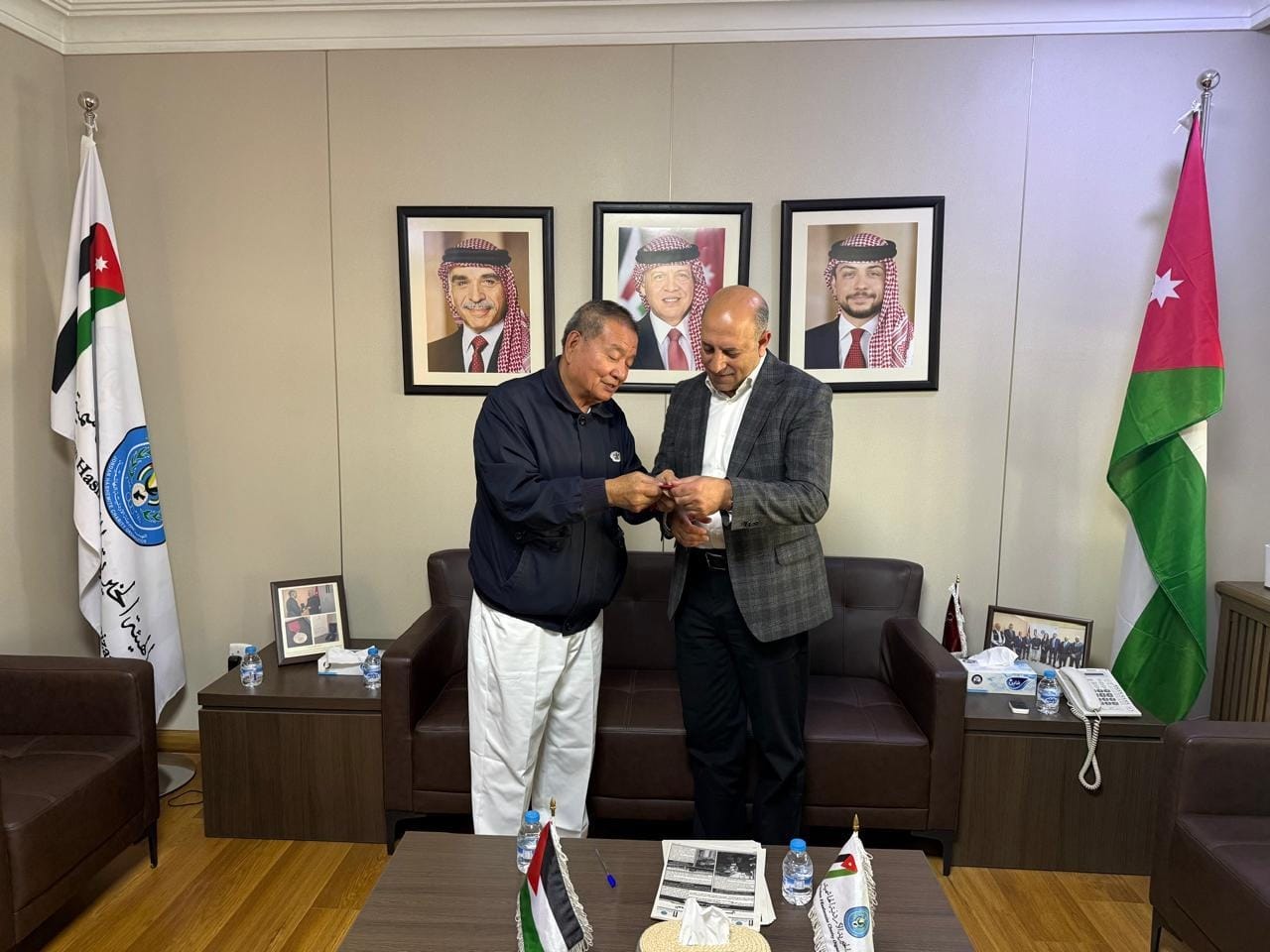
Driven by empathy for those suffering from hunger and the freezing cold, Tzu Chi partnered with the Jordan Hashemite Charity Organization (JHCO) to arrange the transfer of the stored eco-blankets to Lebanon.
Overcoming logistical hurdles
On April 12, Chen met with JHCO's project and financial departments to finalize the delivery logistics. The initial plan was to airlift the supplies, but the restricted airspace over the region made this impossible. Adapting quickly, the teams shifted to a land transport route.
A convoy of trucks is scheduled to depart from Amman, Jordan, on April 21, navigating a 270-kilometer route through southern Syria to reach Beirut. Once the supplies arrive, the Lebanese Red Cross will manage the reception and distribution of the blankets to ensure they reach the most vulnerable families.
War not only destroys homes but also cuts off critical transportation lines, making the delivery of humanitarian aid incredibly challenging. Yet, the commitment to help remains steadfast. From the gathering of recycled materials in China to the careful storage in Aqaba, Jordan, and now the complex journey into Beirut, international collaboration makes this relief possible. Through local partners, continued support, including food parcels and hot meals, will keep flowing to those who need it most.
Written by Yu-Zhen Pan (潘俞臻)
