


On August 15, 2026, a shallow magnitude 7.7 earthquake struck off the coast of Flores Island in Indonesia. The severe tremors left a trail of destruction across the region, claiming at least 70 lives and injuring nearly 1,200 people. With homes reduced to rubble, more than 40,000 survivors are currently residing in temporary shelters and tents, facing the immense challenge of rebuilding their lives from the ground up.
Addressing urgent daily needs
The devastation has left many communities grappling with severe shortages of basic necessities, including widespread water and power outages. In the immediate aftermath of the disaster, access to clean drinking water and a safe, secure place to sleep have emerged as the most pressing requirements for those displaced by the earthquake.
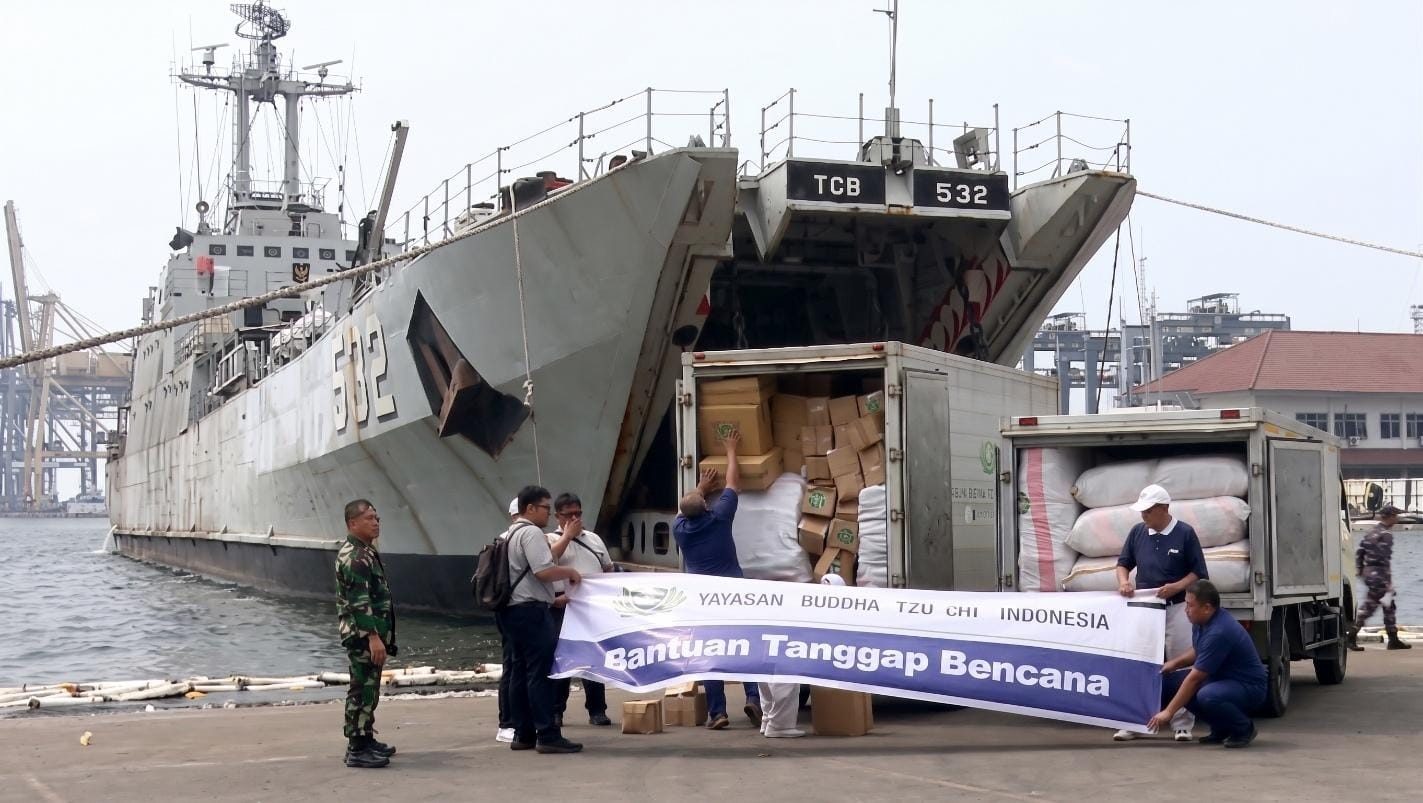
To help alleviate the challenges faced by the survivors, relief efforts were swiftly mobilized. Between August 20 and 21, forklifts moved continuously through the warehouse of the local Jing Si Hall, loading trucks with essential items. A total of 12 tons of initial emergency supplies were assembled, encompassing a wide range of provisions designed to stabilize the daily lives of the affected families.
Overcoming logistical barriers
Reaching the disaster zone in East Nusa Tenggara province presented significant logistical hurdles. The earthquake severely damaged local infrastructure, destroying roads and blocking land transportation routes. Furthermore, delivering aid across the vast maritime expanse to the remote eastern islands required specialized coordination. Recognizing the urgency of the situation, organizers collaborated with the Indonesian Navy, utilizing their maritime transport capabilities to ensure the heavy equipment and supplies could successfully cross the sea and reach the isolated communities.
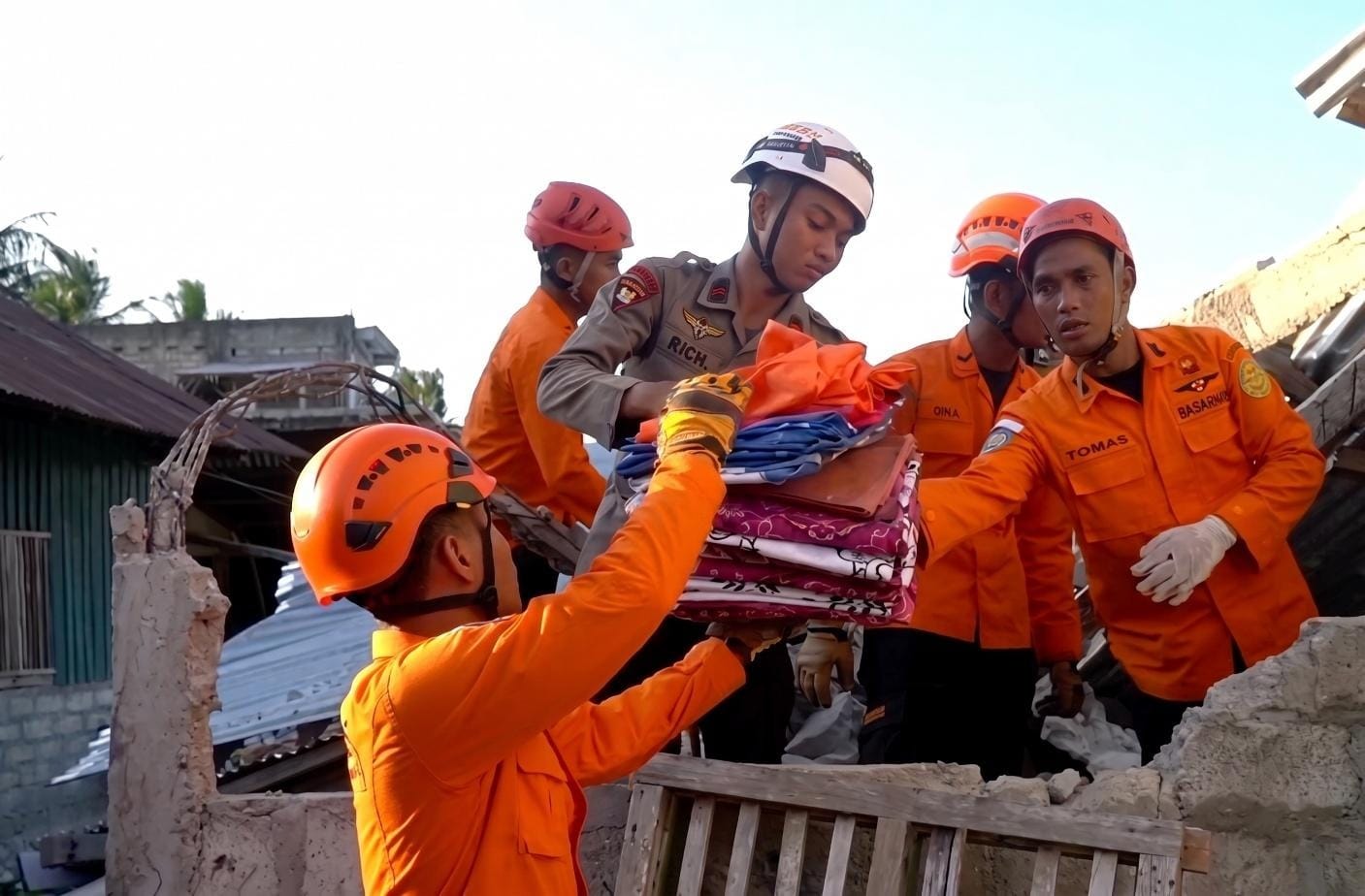
The 12 tons of cargo were carefully selected based on the immediate realities on the ground. The shipments included emergency equipment such as generators, tents, and flashlights to combat the power outages, alongside Jing Si multipurpose folding beds, sleeping mats, blankets, and mosquito nets to provide safer and more comfortable resting conditions. Additionally, the supplies contained essential food, clean drinking water, and specialized hygiene products for women and children.
While the journey to rebuild homes and infrastructure will undoubtedly require significant time and resources, the daily needs of the survivors cannot wait. The arrival of these seaborne supplies aims to establish secure shelters for the displaced families, bringing a measure of stability and warmth as they take their first steps toward recovery.
Written by Li-wen Tsai (蔡麗雯), Imam (伊瑪穆)
