


Threading the needle of independence
Inside the skills-training workshop at the Tzu Chi office in Eswatini, rows of sewing machines hum smoothly as local women press the pedals, transforming fabric scraps between their hands. In May 2026, a textile enterprise from Taiwan did more than just donate machinery and materials; they dispatched professional instructors to provide hands-on training, helping local residents weave a stronger economic future.
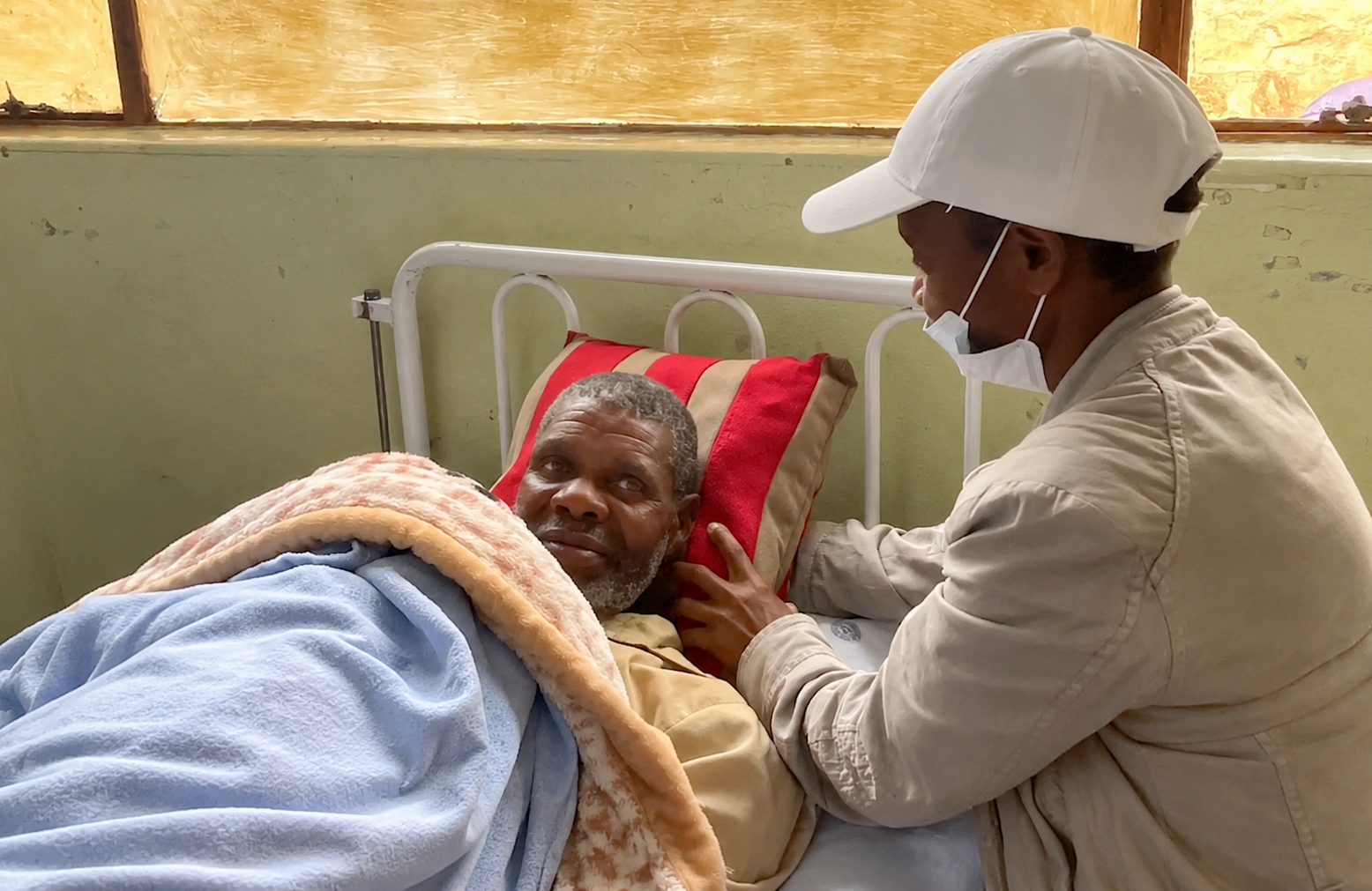
This sewing initiative began in 2023 when volunteers gathered fabric remnants and threads donated by local factories to make comfort cushions. These cushions were then distributed to patients in hospitals and hospice centers. Beyond providing comfort to the sick, the initiative was designed to empower the community by teaching valuable vocational skills. The scale of production has expanded consistently, yielding more than 6,000 supportive cushions last year alone.
"Our sewing classes never had professional instructors before," noted Sharon Fraser (李后玉), the head of Tzu Chi in Eswatini. She explained that the arrival of the corporate team and their expertise gave the participants an unprecedented opportunity to master a true trade. Wei-Han Yang (楊維漢), the corporate representative, stated that their team will continue providing technical guidance and material aid to offer sustained support to the region.
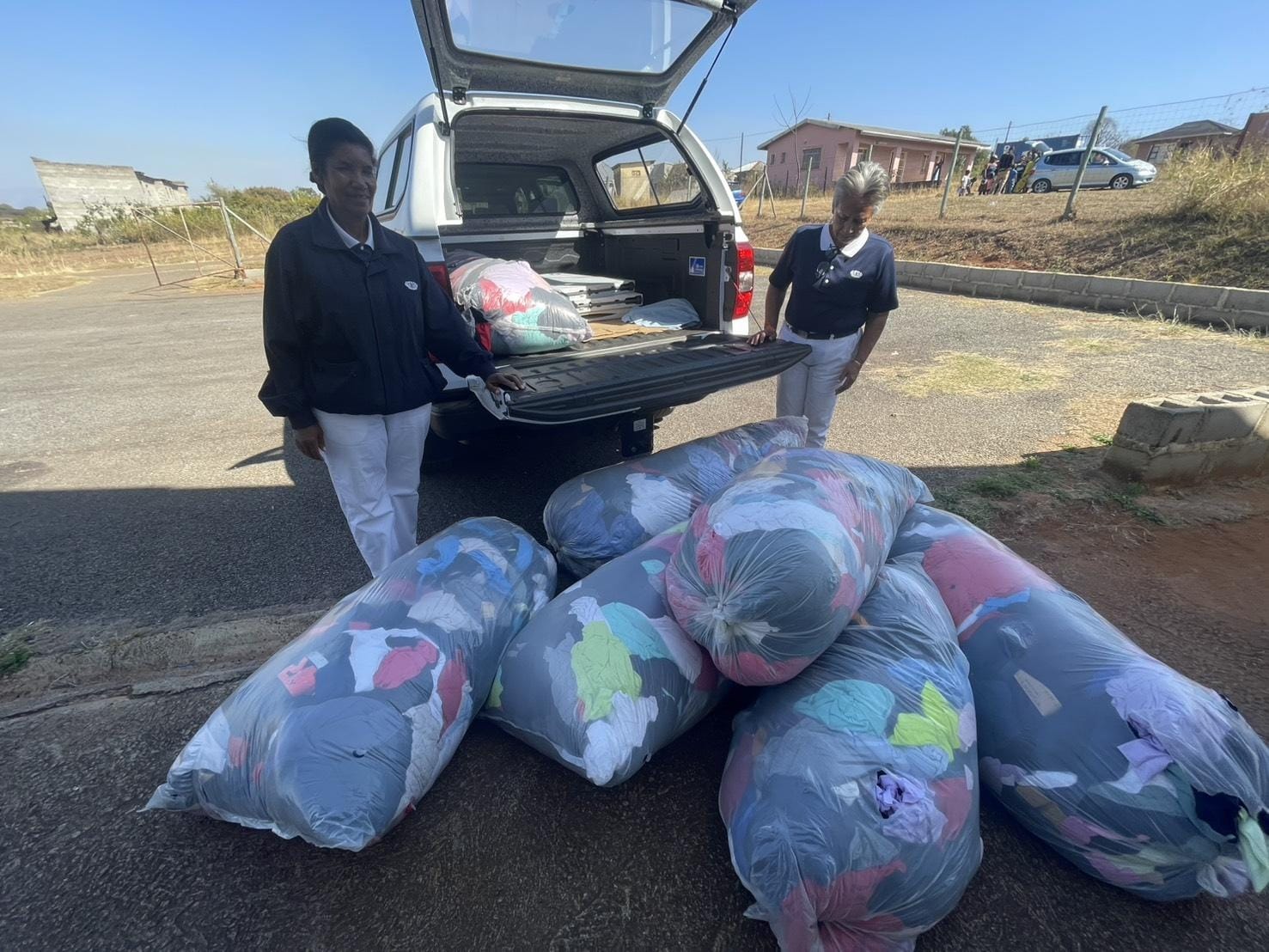
Cultivating new mindsets through farming and craft
Echo Lee, a volunteer from Malaysia, moved to Eswatini in 2022. Observing life in this Southern African absolute monarchy, she realized that many residents had long focused solely on basic day-to-day survival, lacking access to programs that fostered long-term self-reliance. While people willingly shared what little food and resources they had with one another, few could envision a path toward systematically altering their economic circumstances.
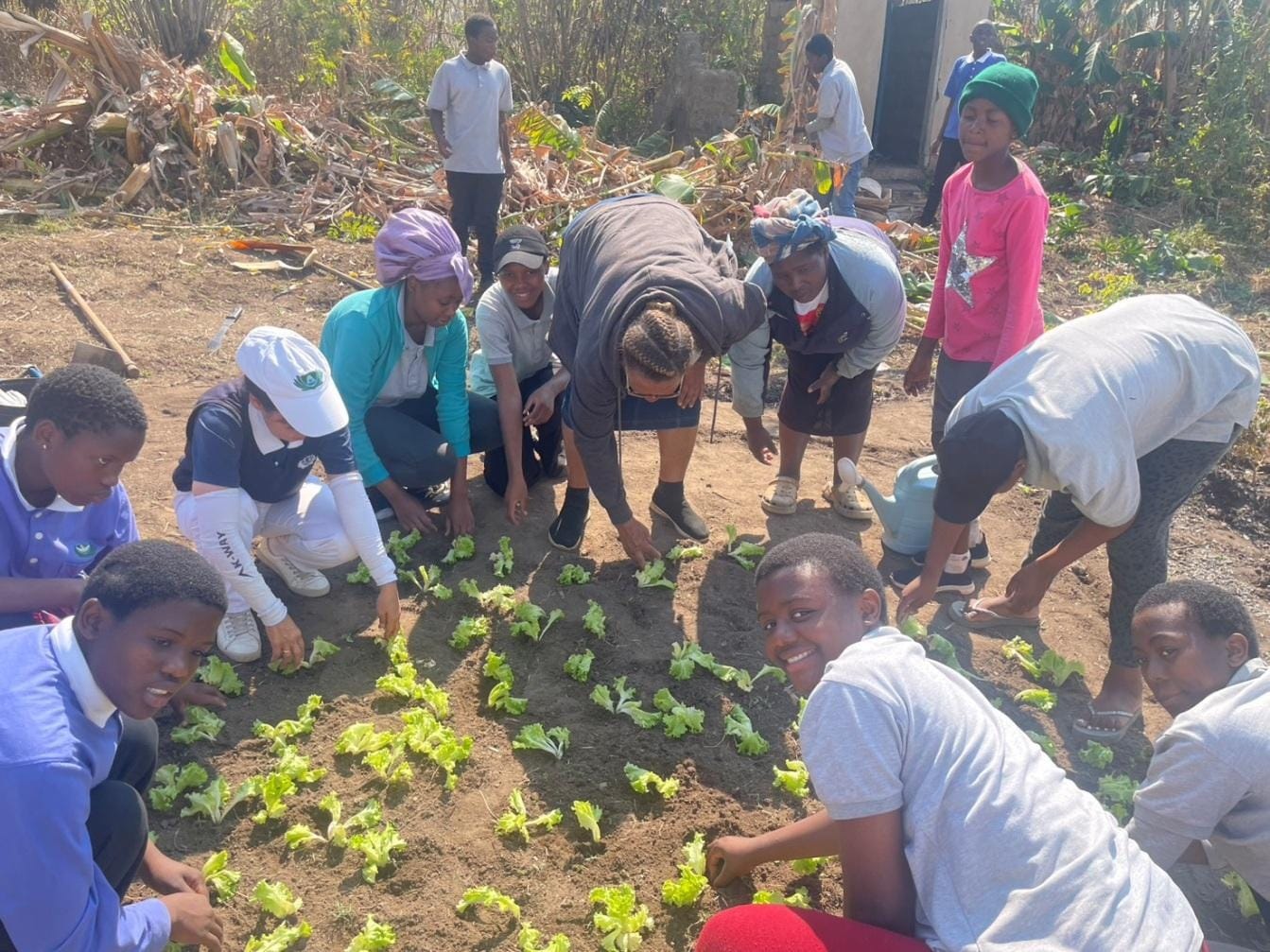
To help break this cycle, Lee sought out tangible, straightforward projects that could inspire a shift in perspective. She began by introducing vegetable farming. Between 2023 and 2024, two community vegetable gardens were established, where residents learned how to cultivate crops and market their produce. The very first successful harvest brought immense joy to the participants, marking the first time many had experienced the direct rewards of their own labor.
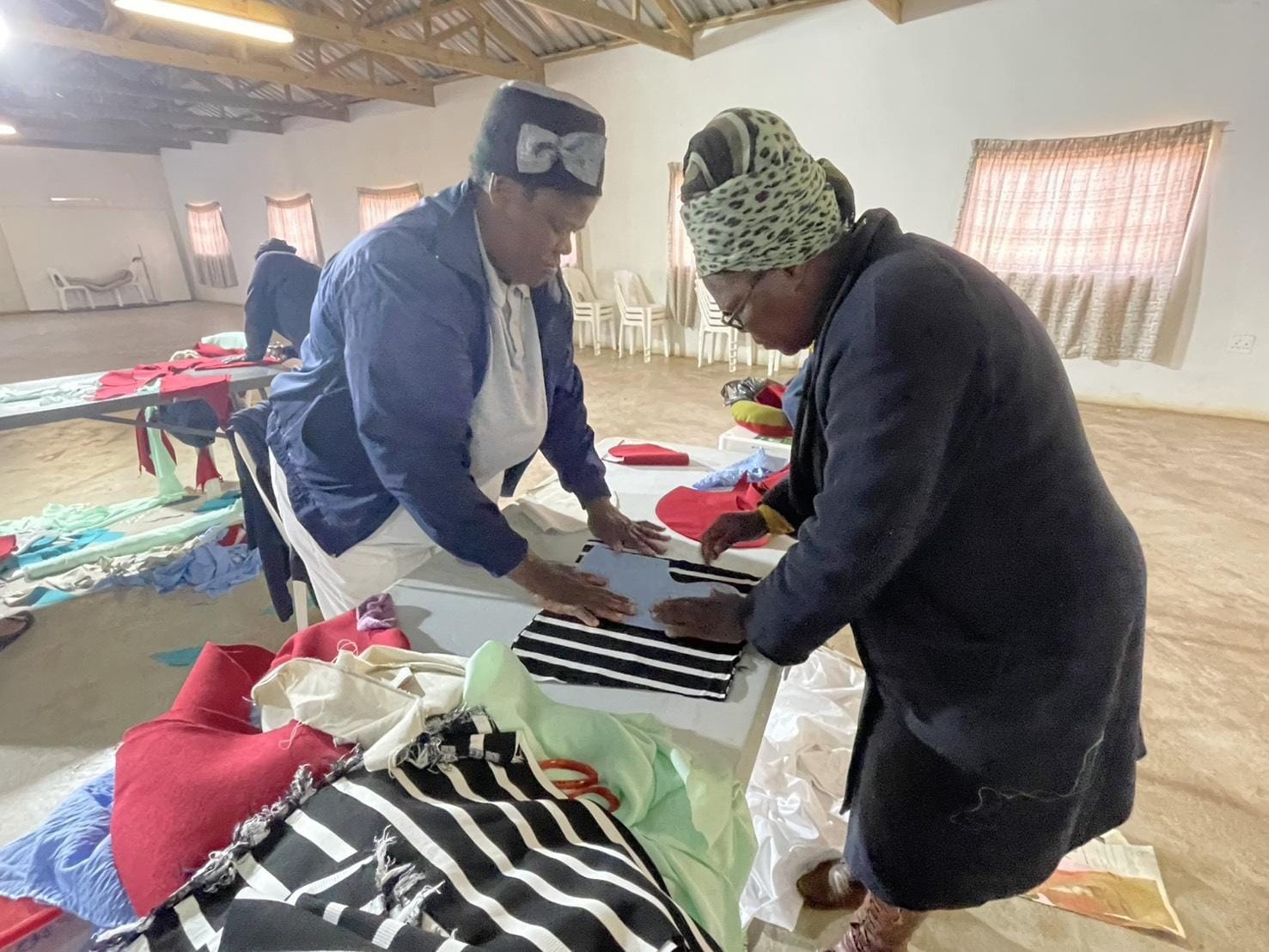
Parallel to the agricultural efforts, the textile training expanded. By combining discarded garments, cotton threads, and donated factory scraps, volunteers taught residents how to sew patient pillows, cushions, and eco-friendly household goods.
In the workshop, women who had never touched a sewing machine progressed to cutting patterns and stitching complex items independently. Some have begun altering clothes for their neighbors, while others actively volunteer to help tend to the community, fostering a vibrant spirit of mutual assistance.
The participants shared with Lee that volunteering and learning these crafts had bolstered their confidence and given them a clear purpose in life, helping them move away from a reliance on external aid.
What we give to the patients is not just a cushion, but love and care, letting those fighting illness know they are not alone. — Echo Lee, Tzu Chi Coordinator in Eswatini
Roots of community care
The foundation for these achievements was laid over a decade ago. In 2012, Michael Pan (潘明水), a volunteer based in South Africa, led a team of local South African volunteers into Eswatini to assist vulnerable communities. Their presence showed local residents that a different, more secure life was possible. Today, Eswatini boasts more than 500 homegrown volunteers actively serving their own neighborhoods.
The momentum of this supportive network continues to grow. From cultivating vegetable patches to mastering sewing machines and looking after neighbors, the residents on this red soil are steadily walking toward a self-sufficient future, lifted by the power of community collaboration.
Written by Yu-Chen Pan (潘俞臻)
