


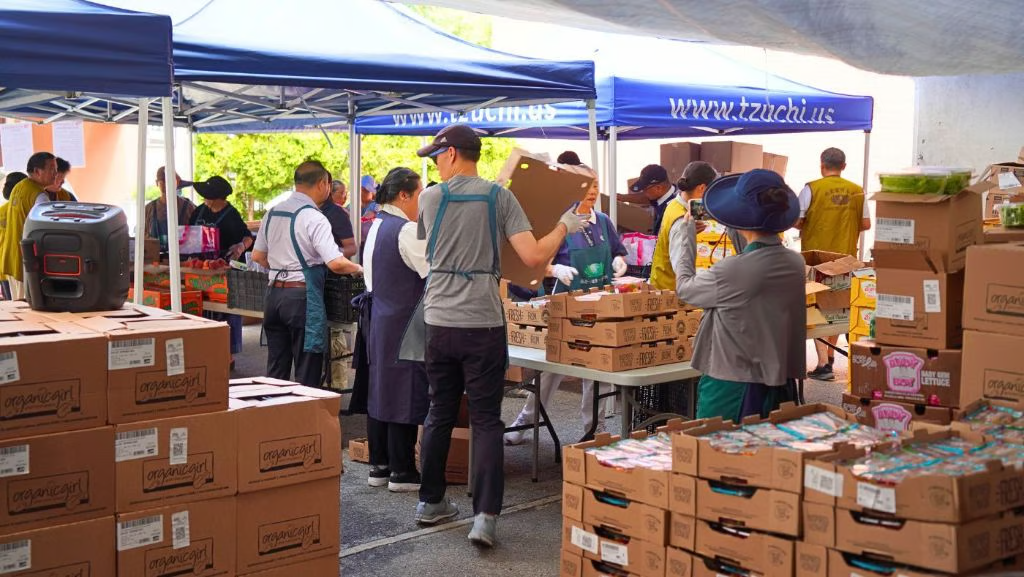
Dozens of Tzu Chi New York volunteers gathered early on the morning of June 11, 2026, to finish packing more than 630 food packages. The bags are not handed out on site: they are delivered by DoorDash to the doorsteps of households enrolled in Medicaid, serving expectant mothers, new parents, patients, seniors, and families with newborns across Queens, Manhattan, and Brooklyn.
Backed by New York State's Medicaid 1115 Waiver, the branch has grown the program from an initial fifty households to more than six hundred deliveries a week. Each package holds twelve to fourteen fresh ingredients, chosen against a nutritional checklist.
We believe that food is medicine. Through a healthy diet, we help care recipients improve their immunity, and when people are healthy, medical costs come down on their own. — Shan-Shan Chiang (蔣珊珊), Tzu Chi volunteer
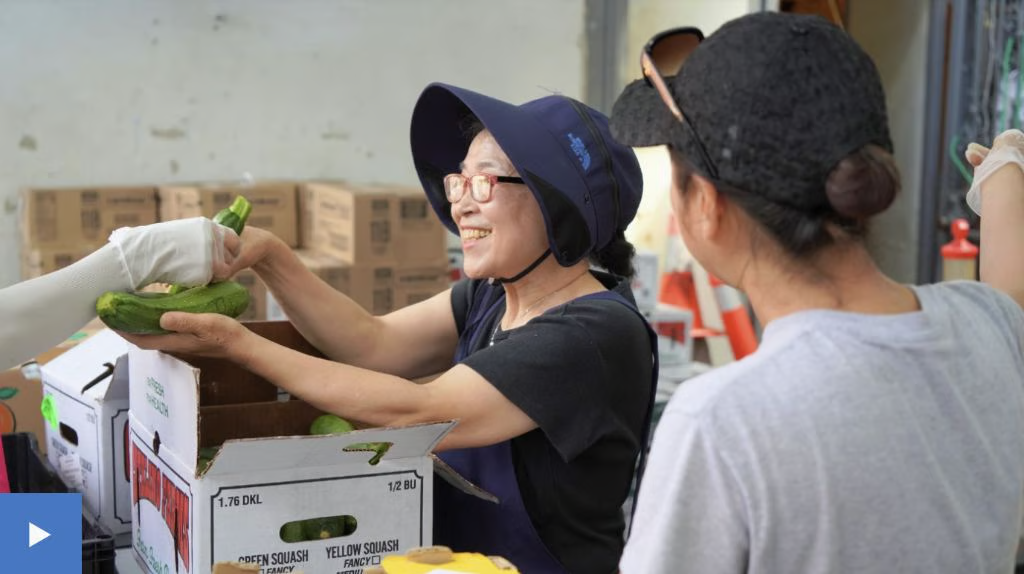
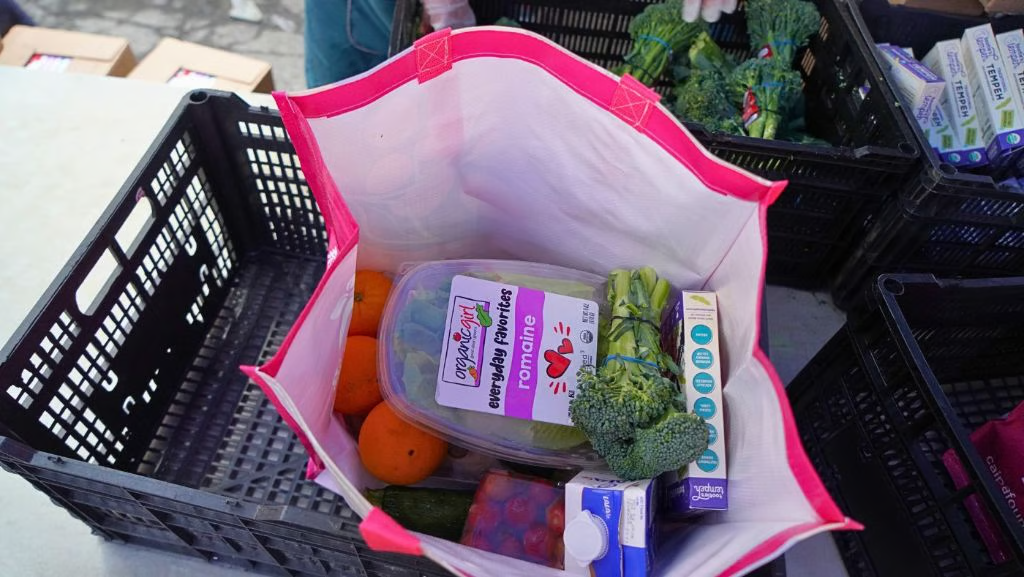
LEFT: On June 11, 2026, with support from New York State's Medicaid 1115 Waiver, dozens of Tzu Chi New York volunteers worked together to pack the food. RIGHT: Each food package holds twelve to fourteen fresh ingredients, including vegetables, fruits, eggs, noodles, milk, and cooking oil. | Photos: Hector Muniente
Packing care into every bag
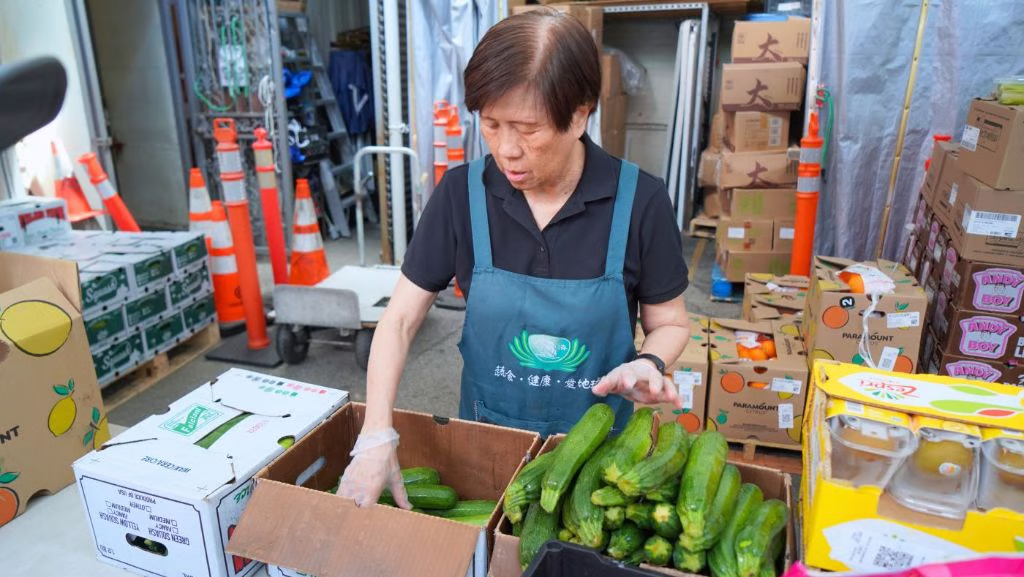
On the packing floor, volunteers split the work among themselves, filling each bag item by item so that nothing was missed. Despite temperatures reaching 32 degrees Celsius (90 degrees Fahrenheit), about thirty volunteers turned out to help.
Many of our care recipients are pregnant women, postpartum mothers, seniors, and families with newborns. These foods are a huge help to so many households. Every time I help others, I feel a sense of joy. — Arthur Chong (莊亞瑟), coordinator for the Queens site
To keep everyone comfortable in the heat, volunteer Letiti Ni (倪萊蒂) brought music, drinks, and snacks. "We want everyone who comes here to feel that Tzu Chi is a place full of love and goodness, respected and cared for, so they are willing to stay and join the service," she said. In the kitchen, volunteer Ci Yu(余慈) cooked Shanghainese dishes to keep her fellow volunteers going; a member for more than a decade, she fell ill in 2018 and returned to service once she had recovered.
Bridging cultures and languages
The households in the 1115 program come from many backgrounds, and many speak only Spanish. David Hung (洪大偉), a volunteer from Argentina who has served for more than ten years, now serves almost full-time as a Spanish interpreter, helping families understand and apply for Medicaid services.
Differences between cultures will always exist, but in the end we are all human. Everyone wants a better life and to care for their family, so we help one another and should not be limited by cultural differences. — David Hung, Tzu Chi volunteer
Hung also carries the spirit of the Bamboo Bank Era to the families he serves, encouraging them to pass kindness on when they are able.
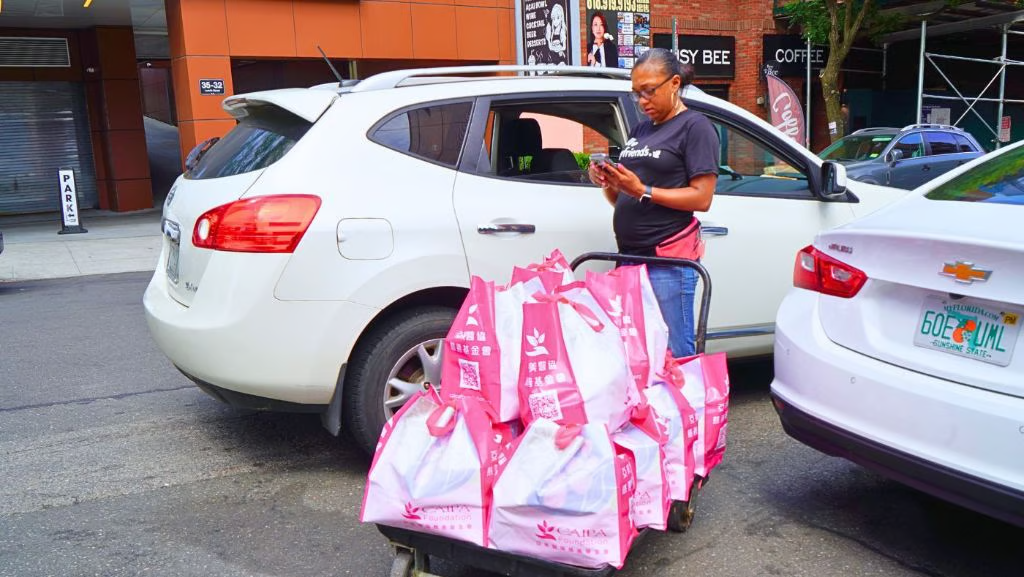
DoorDash driver Isaac Muñoz, who collected orders from the Flushing site, was moved by what he saw. "So many people cannot afford the food they need from day to day, so being able to help is a good thing. Most charities are doing the same — churches, foundations, organizations — everyone is helping others," he said.
Finding the way home again
Shih-Chieh Chang (張世杰), 22, a Binghamton University student who grew up attending a Tzu Chi academy, was among the youngest volunteers. Having seen how many people on the streets of Flushing needed help during the pandemic, he returns to volunteer whenever he is free.
There are many senior volunteers here, and they are very wise; the whole place is calm and steady. When life gets difficult, Tzu Chi is like a safe haven for me — it helps me find my balance again. — Shih-Chieh Chang (張世杰), Tzu Chi volunteer
Beside him served Tom Chuang (莊錦池), 77, who joined 36 years ago in Tzu Chi New York's earliest days and has not stopped since. "Tzu Chi helps those in need regardless of race or color. We serve 139 countries and regions around the world; the foundation began in Taiwan, but its love has spread everywhere," he said. He ensures Master Cheng Yen's ideals are passed to the next generation, so that they understand what it means to help others and keep kindness alive.
The 630 food packages reached doorsteps across Queens, Manhattan, and Brooklyn in the days that followed. From a volunteer's hands to a driver's car to a family's table, the goodwill crossed differences of language, culture, and faith, arriving in the simplest way — at the heart of every household it reached.
Written by Hector Muniente
