


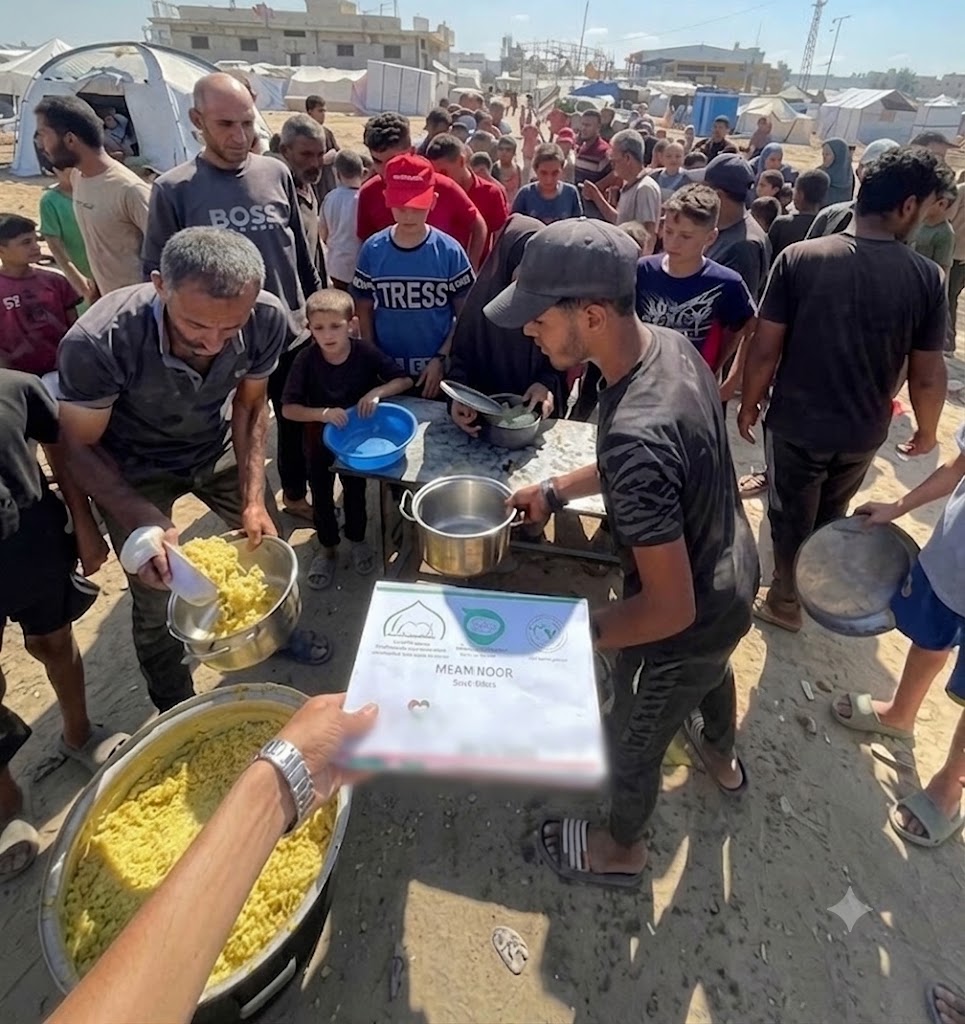
For many living in overcrowded tent camps, severe food shortages have become a daily reality. Saif, a 15-year-old boy, navigates this crisis alongside his family of eight. Taking shelter in a tent, he consistently portions out the limited food available to ensure his younger siblings have something to eat.
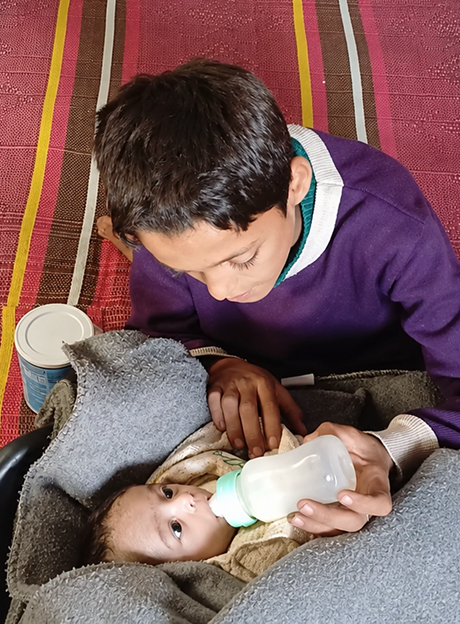
When there is nothing left for him, Saif relies on the only coping mechanism he has.
If I don't have food, I sleep; when I fall asleep, I forget the hunger. — Saif, Displaced Youth
His deepest wish is simply that his younger brothers and sisters do not have to endure the pain of an empty stomach.
A reality of scarcity
The ongoing conflict has severely impacted the region's infrastructure and living conditions. According to reports from the United Nations Development Programme (UNDP) and the United Nations Economic and Social Commission for Western Asia (ESCWA), human development in the Gaza Strip has regressed by an estimated 77 years since October 2023. More than 1.9 million people have been displaced, and over 60 percent of residents have lost their homes.
With medical facilities heavily damaged and supply chains disrupted, basic necessities have become scarce. For many families, finding clean water and securing a single meal are constant struggles.
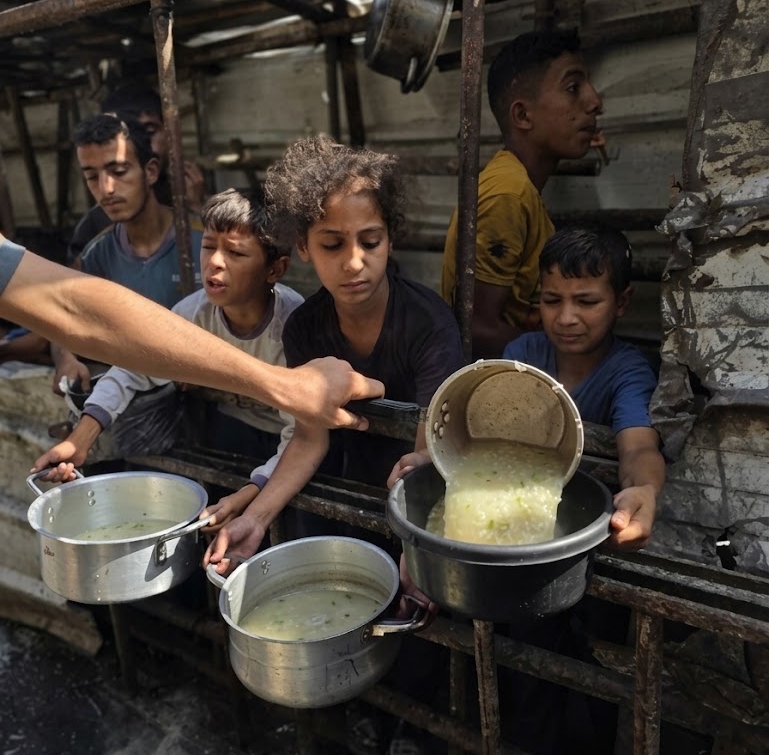
From surviving to serving
Even amidst widespread hardship, some residents are finding ways to uplift their communities. Aisha, a 41-year-old former eye care professional, used to have a stable career and home. Since the conflict escalated, her family of five has been forced to relocate seven times. They now reside in a tent in Deir al-Balah, facing a lack of secure shelter, educational opportunities for her children, and daily necessities.
Despite these overwhelming challenges, Aisha chose to join a local volunteer team to assist with home visits and food distributions.
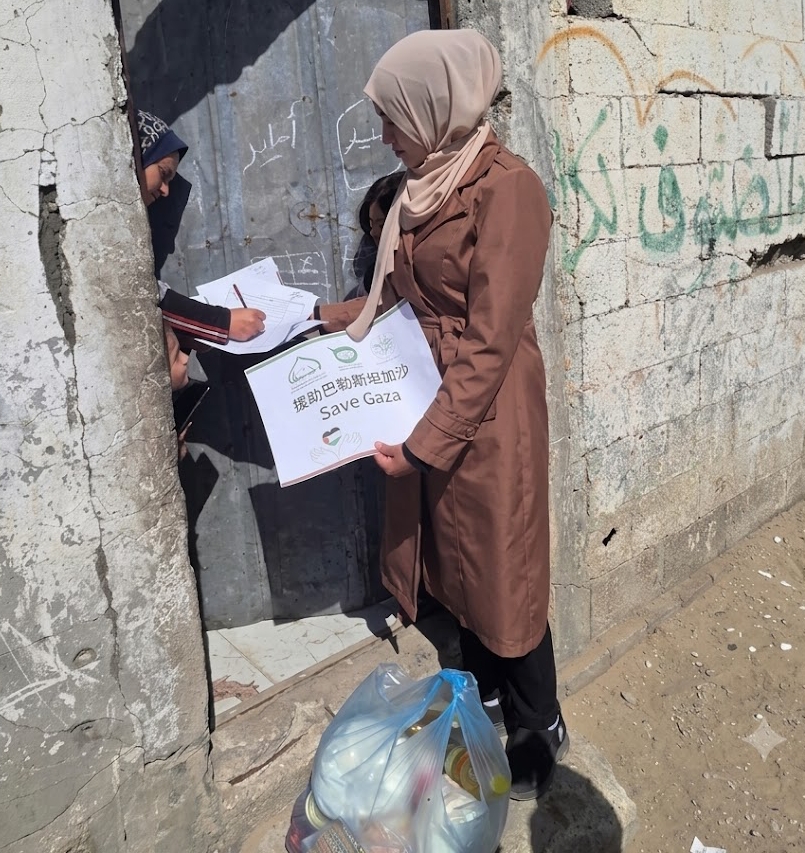
For Aisha, helping others has become a source of strength. Seeing mothers finally able to feed their families and children smiling when receiving food gives her a renewed sense of purpose.
I am a survivor myself, so I can better understand the suffering of our compatriots. — Aisha, Local Volunteer
A network of global support
To support families facing extreme hunger, students and teachers at El Menahil International School in Türkiye initiated charity sales and fundraising efforts. Children and parents contributed their savings, creating a fund dedicated to assisting those affected in Gaza.
Coordinating with the Taipei Grand Mosque and local partners on the ground, a relief initiative was launched to provide hot meals. Between September 2025 and early February 2026, the collaboration facilitated 31 hot meal distributions, reaching 52,910 people across 9,620 households. While a single meal cannot resolve the broader crisis, it provides crucial nourishment to help families endure their most difficult days.
Empowering the community
Recognizing the need for sustained support, the initiative expanded to include structured volunteer training. Starting in late February 2026, remote training sessions were organized to establish a dedicated local team and implement a systematic home visitation program.
Fifteen volunteers from Gaza City, Nuseirat, and Deir al-Balah began visiting displaced families in the tent camps. By assessing the specific needs of each household, they gathered essential data to coordinate more effective relief. Based on family size, basic supplies—including rice, flour, cooking oil, beans, sugar, and canned food—were allocated.
In March, the team rolled out two phases of food package distributions to provide a more stable source of nutrition for these families. Looking ahead, ongoing food and educational aid projects are planned for the rest of the year, till December 2026. By supporting basic food requirements and creating learning opportunities for out-of-school children, the volunteers aim to offer consistent care and a foundation for the future.
Help Families in Gaza
Just $1 a day sends a child to school;
$35 a month sustains a family.
Written by Yu-Chen Pan (潘俞臻)
