


Weeks after torrential rains flooded parts of southeastern Mexico, many families were still navigating damaged homes, ruined belongings, and the slow return of daily life. In Veracruz—one of the hardest-hit states—muddy roads made even short trips difficult, and for some neighborhoods, help depended on whether someone could reach them on foot.
A storm that left widespread damage
In October 2025, tropical-storm-driven rainfall triggered severe flooding across five states in southeastern Mexico. The disaster left 80 people dead, 18 missing, and about 100,000 homes damaged, with Veracruz reporting the most serious impacts.

Door-to-door checks to understand what families lost
In November, Tzu Chi volunteers in Mexico began disaster assessments, meeting Father Jaime and Aguilar, director of the city’s Urban Development Department, to better understand local conditions.
But formal briefings weren’t enough. With roads still slick and clogged with mud, volunteers continued household visits to learn what families were facing—what had been destroyed, what was still usable, and what support might help them recover.
A local resident from Poza Rica, Ferdan, who had been gathering relief supplies for flood-affected neighbors, helped connect volunteers with community members and local volunteers. After that, volunteers from Poza Rica and Alamo worked together to compile and verify recipient lists.
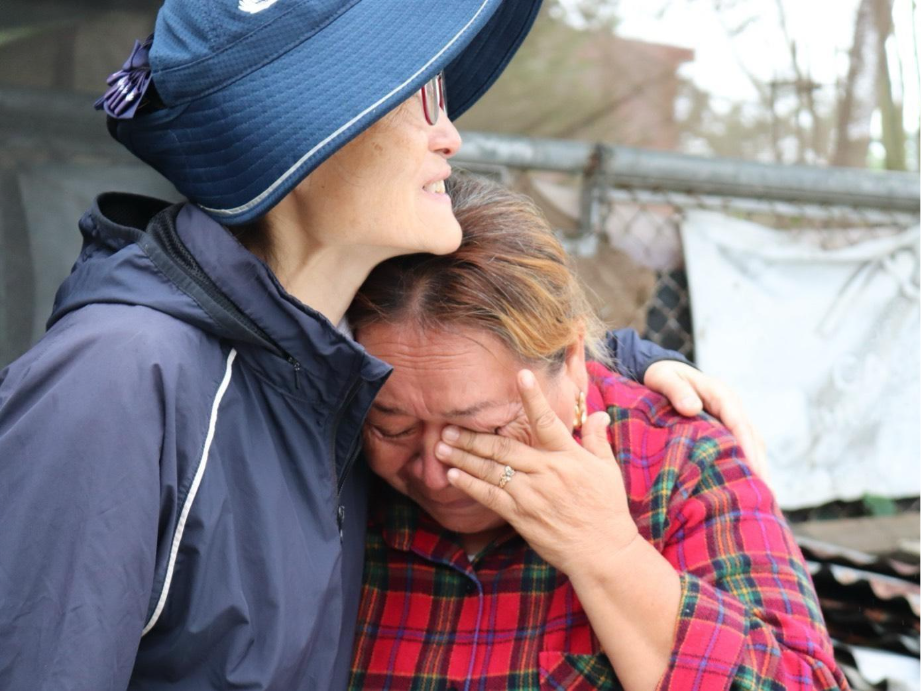
Relief through aid cards for essentials
By December, assessment teams were also encouraging local participation—bringing local volunteers into the neighborhoods to complete follow-up checks. After two rounds of re-verification covering about 3,000 households, preparations began for distributing prepaid aid cards.
On March 3, 2026, volunteers met Poza Rica Mayor Adaneli to coordinate distribution. The city government agreed to provide a newly built municipal gymnasium as the venue.
Relief distributions on March 14 and 15 have reached 2,965 flood-affected families from Poza Rica and Alamo. Each household received a Plus aid card valued according to family size, ranging from around 560 USD to 1,125USD, intended to help families purchase daily necessities as they work through the aftermath of the floods.
Moving forward after the waters
For families whose homes and routines were upended, recovery does not end when the rain stops. In neighborhoods where mud still clings to roads and memories, being visited, counted, and supported—then receiving practical help to restock essentials—offers a path back toward stability.

