


In late April 2026, two fires broke out in quick succession in Sandakan, Sabah, East Malaysia. The blazes swept through Kampung Bahagia on April 19 and Kampung Karamunting on April 29, destroying makeshift wooden homes built closely together and leaving more than 1,000 households homeless. A significant majority of those affected are stateless residents who live with limited legal documentation and frequent mobility, turning post-disaster identity verification into an intricate task.
Living in temporary shelters
Following the fires, displaced residents were housed at a nearby seaside parking lot. Non-profit organization Mercy Malaysia set up temporary tents directly on the asphalt. During the day, intense heat rendered the interior of the tents stifling, while thunderstorms brought severe wind and rain that rattled the temporary structures. Smaller tents accommodated roughly four adults, while larger tents contained four elevated wooden platform beds designed for up to four families to share.
Living conditions remained basic. Water was supplied through a single pipe drawn from the hills, and ten temporary latrines served the entire encampment. To avoid the daytime heat, many residents waited until evening to shower, leading to long queues that extended late into the night.
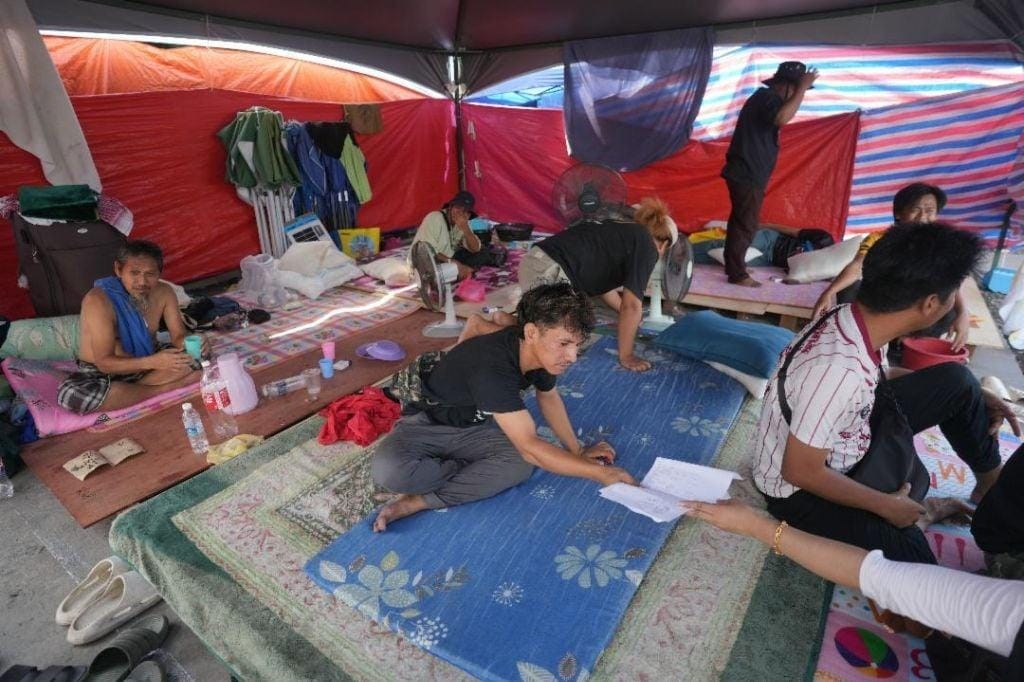

LEFT: Under the tents, four elevated wooden beds accommodate four families, holding seven to eight people per bed. RIGHT: Fires destroyed homes and fishing equipment in Sandakan. | Photos: Choon Chow Tang
For many, the disaster wiped out both shelter and livelihood. Most residents rely on fishing, keeping their boats, engines, and nets parked outside their wooden homes. When the flames spread, these essential tools were destroyed alongside their houses, leaving families without equipment or immediate income. Some lost their jobs after taking prolonged leave to secure temporary shelter and care for elderly relatives.
Navigating documentation challenges
Because many residents lacked formal identification cards or used multiple names, verifying records required extraordinary care. Teck-Ngie Kiing (龔德益), local lead for Tzu Chi in Sandakan, explained that volunteers worked alongside village headmen and community leaders to cross-check household details patient by patient.
"Some residents had no documents at all, making tracking and verification very difficult," Kiing noted. Rather than relying solely on official registries, volunteers spent days in the shelter listening to families and confirming details directly with neighbors and local leaders.
Mutual support quickly emerged among the displaced families. Residents set up small roadside stalls outside their tents to sell drinks and snacks, while others cooked shared meals using donated rice and vegetables.
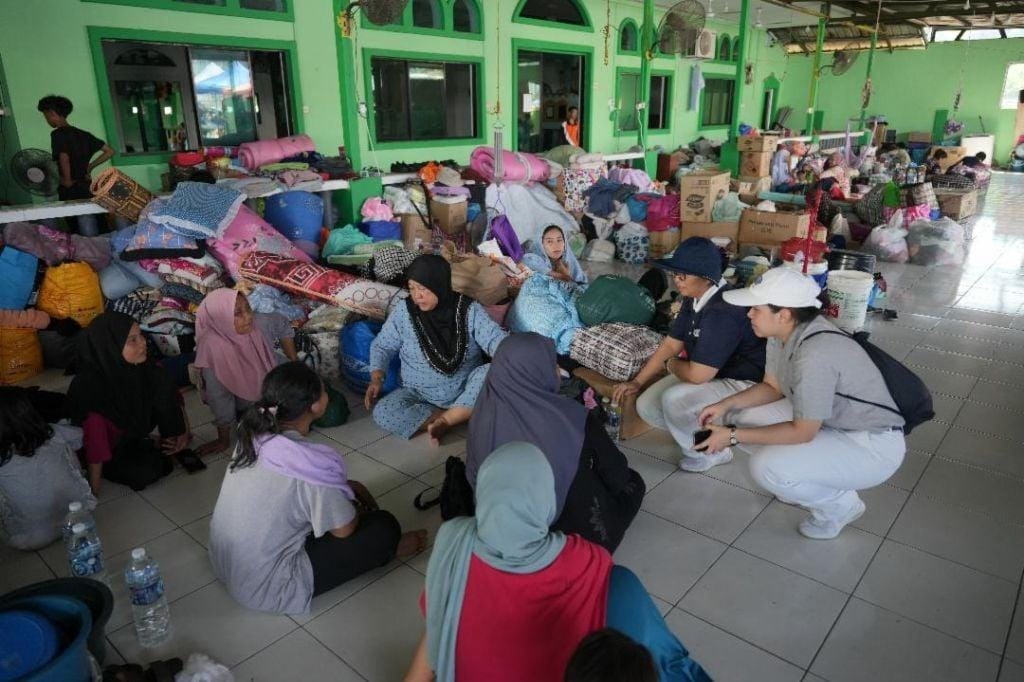
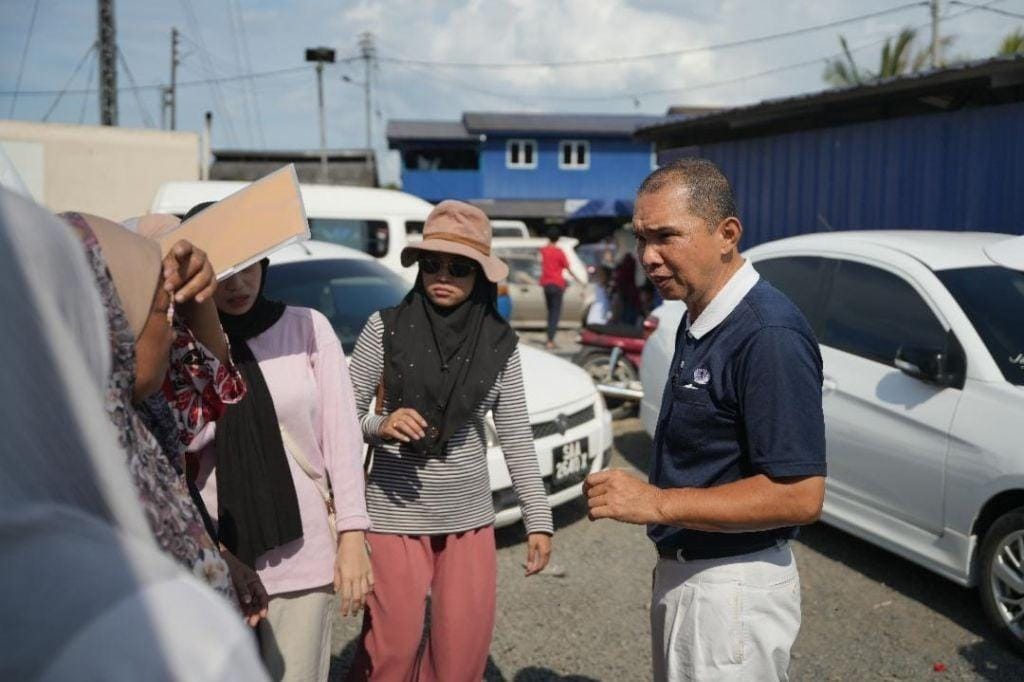
LEFT: Volunteers visit a temporary shelter in Sandakan to listen to survivors and offer comfort. RIGHT: Teck-Ngie Kiing believes everyone possesses kindness within. | Photos: Wui-Kong Boon
Distributing emergency relief
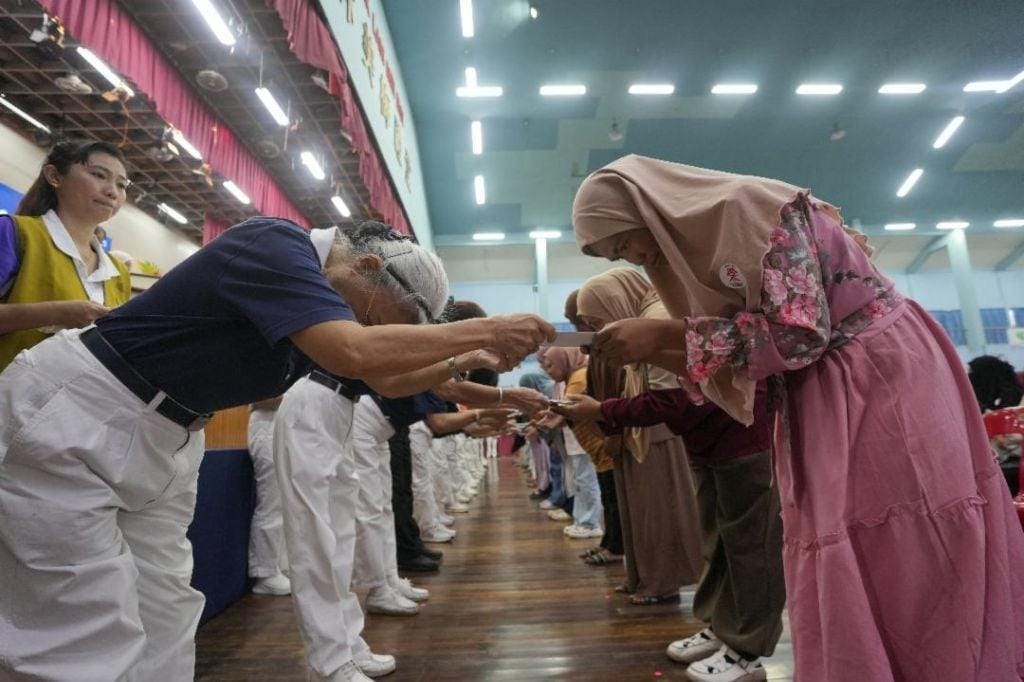
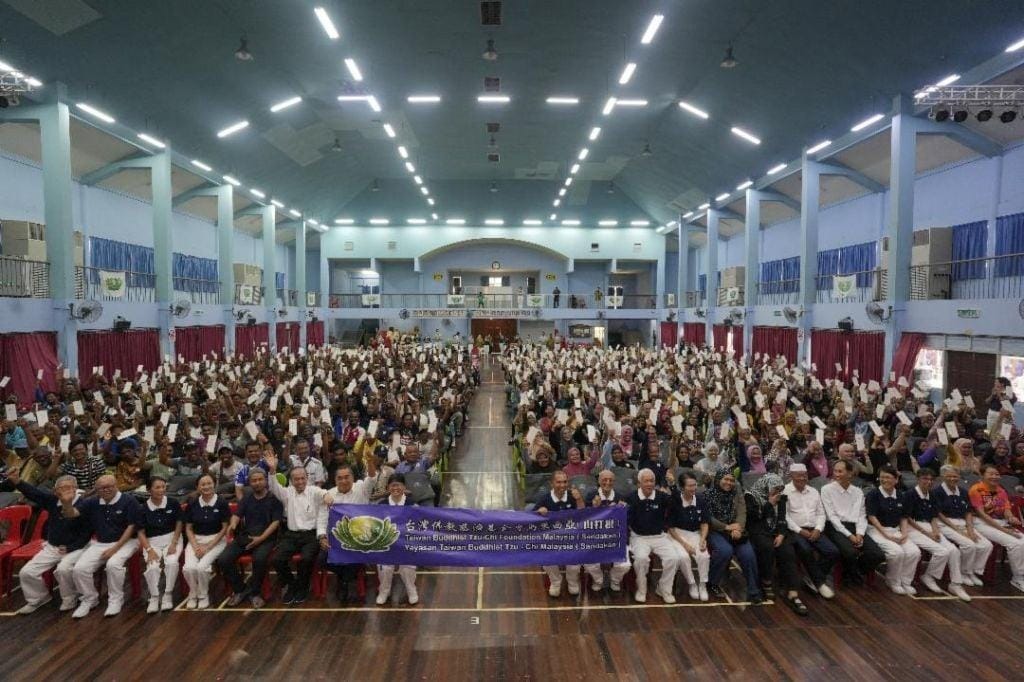
On May 16, a relief distribution was organized at the hall of SJK(C) Chi Hwa Seremban Primary School. Before daybreak at 6:00 AM, residents began arriving by bus. Sensing their long wait, volunteers opened the venue early to begin document checks.
A total of 649 households from Kampung Bahagia and 30 households from Kampung Karamunting received cash relief, blankets, and a letter of sympathy from Master Cheng Yen. During the distribution, attendees observed a silent prayer led by local religious leaders and watched a retrospective video documenting the disaster recovery efforts.
Personal stories of resilience
For survivor Alnalin Insani, the night of the fire remains vivid. Fast asleep when the fire began, she was awakened by neighbors banging on doors. Escaping with three elderly family members, including an 80-year-old relative with mobility challenges, made the evacuation difficult.
Mom, stop picking up items. What matters most right now is saving our lives. — Son of Alnalin Insani
In the rush, Alnalin grabbed only a single bag, which she later realized contained only new holiday clothes for Hari Raya. Grateful for the practical cash assistance, she plans to save the funds carefully for future rent and living costs, expressing a wish to join future volunteer efforts herself.
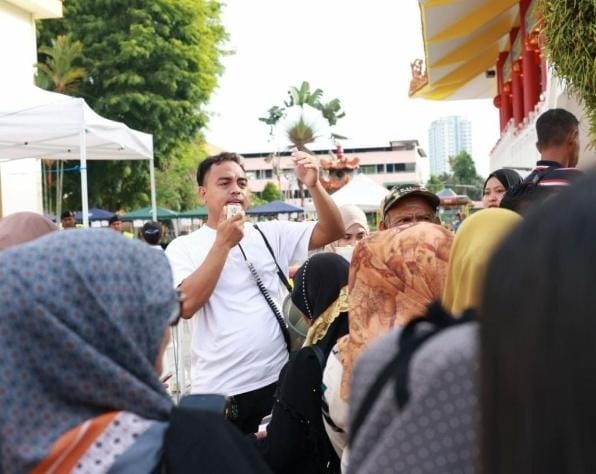
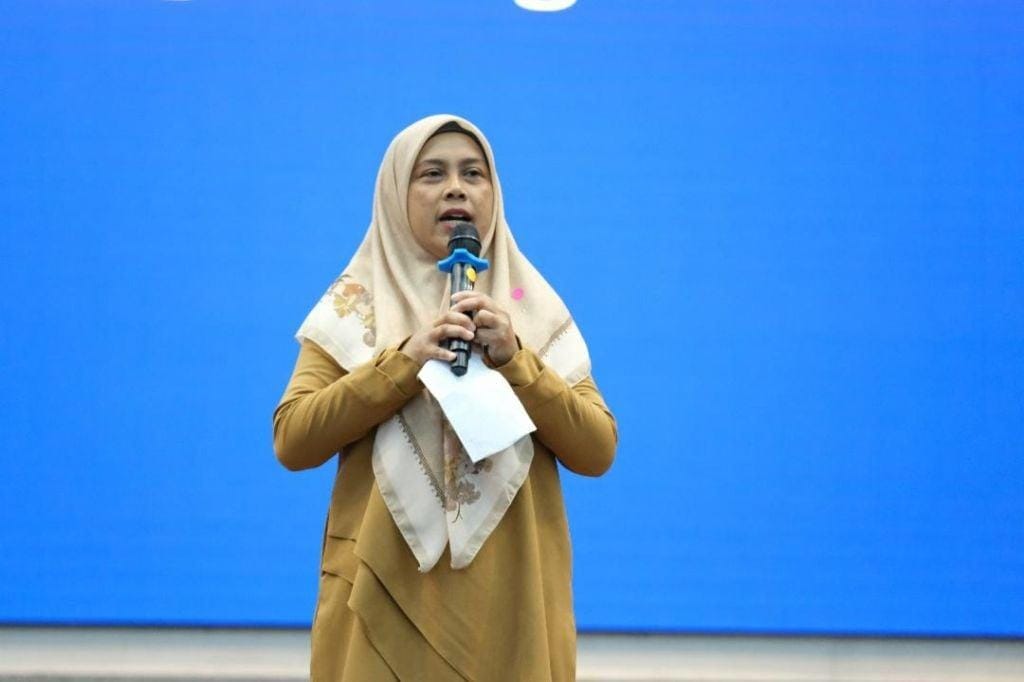
LEFT: Village Committee Chairman Anwar explains the challenges of verifying resident records. RIGHT: Alnalin Insani plans to save her relief cash for future rent. | Photos: Connie Teng (鄧亦絢)
Another survivor, Azmin, read through the sympathy letter multiple times after receiving his financial aid.
They gave not just a little, but truly a lot. In the past, aid distributions were often chaotic, but this time everyone queued up in an orderly manner. It made me feel their deep sincerity. — Azmin, Fire Survivor
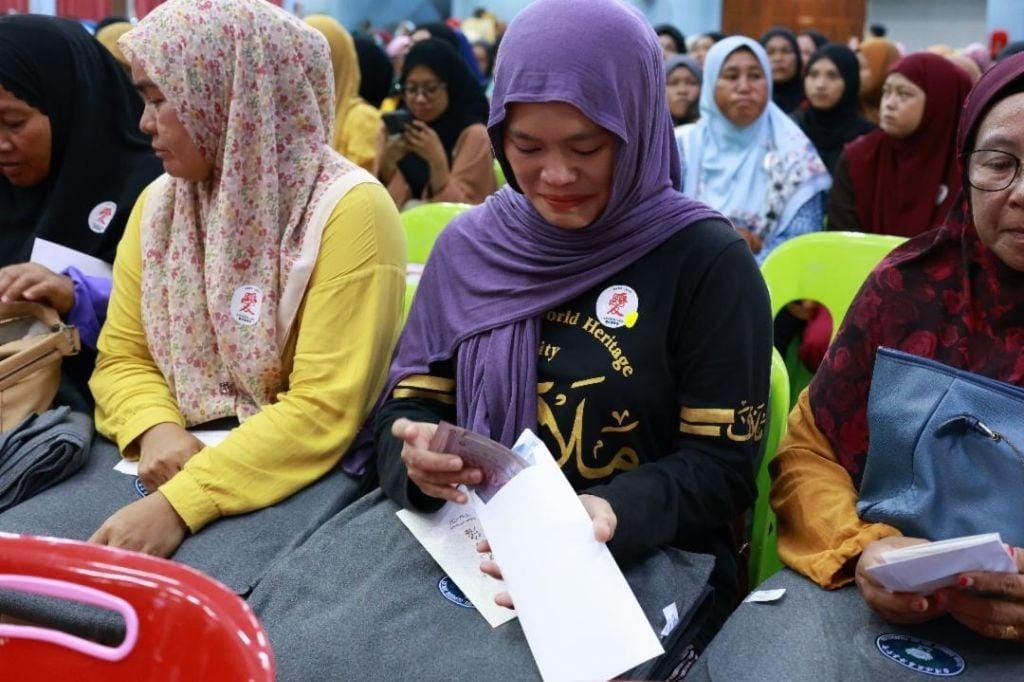

LEFT: Haima (in purple headscarf), a non-citizen resident, felt comforted by the support received. | Photo: Connie Teng RIGHT: Azmin (left) reads a letter of support from Master Cheng Yen. | Photo: Wui-Kong Boon
Haima, a non-citizen resident who lived in the village for many years, wiped away tears during the video presentation as images of her former neighborhood appeared on screen. Though her home and physical possessions are gone, she expressed gratitude that her entire family escaped safely.
Village Development and Security Committee Chairman Anwar noted that despite exhaustion, local team members worked around the clock alongside volunteers to ensure every eligible family was accounted for. Reflecting on the relief work, Kiing noted that true recovery extends far beyond immediate physical aid, grounded in steady presence and shared human compassion as families work to rebuild their lives.
Written by Choon Chow Tang (陳春早)
