


In the darkness of a night filled with gunfire, a young mother pulled her young son close and held her infant daughter tight as they scrambled onto a truck. They fled through airstrikes and strafing, enduring immense terror for a single chance at survival across the border. The 14-year war in Syria has reshaped the lives of millions, but for single mothers, it has been a grueling journey of transformation from vulnerability to profound strength.
At the Tzu Xin House (慈心之家) in Jordan, a facility dedicated to sheltering Syrian refugee women, the air was heavy with emotion. Sara Yousef, 36, was preparing to depart for New Zealand with her two children. Her friends and neighbors gathered around her, weeping. After 11 years as a refugee and countless interviews with the UN Refugee Agency (UNHCR), she had finally secured a future in the Southern Hemisphere.
While the move represents safety, the pain of separation was visible in Sara's tear-streaked face. She held her friends in an embrace for a long time. She had lived at Tzu Xin House for eight years; to her, it was not just a shelter, but a home filled with sisters.
"If it weren't for my children, I wouldn't want to leave at all," Sara shared through tears. Her decision to move to an unfamiliar country was driven by a mother’s hope: to find better care for her 15-year-old son, who has autism.
A sanctuary for war widows
The story of Tzu Xin House began in 2012, shortly after the Syrian civil war broke out. Four Syrian businessmen pooled their resources to rent an apartment building in the Ein Basha area, northwest of Amman, providing a home for 55 refugee families. The residents were almost exclusively widows who had fled the violence with their children.
In Arabic culture, women often play a protected role within a marriage. However, the exile forced these mothers to become both providers and protectors. While remarriage is encouraged in their culture to ensure support, many of these women choose to remain single, fearing a new husband might not treat their children well. They sacrifice their personal pursuits to ensure their children’s safety.
The first seven years, accompany them; the second seven years, educate them; the third seven years, be their friend. Be firm with a boy, for he must carry responsibility; be gentle with a girl, for you do not know what kind of husband fate will send her. — An Arabic proverb on parenting
For these families, Tzu Xin House became the stable ground where they could finally catch their breath.

From tragedy to empowerment
Born in 1988 near Damascus, Sara married her cousin at 19. Her husband was a carpenter, and they lived a simple, happy life. But in 2012, just months after their second child was born, her husband was arrested and disappeared without a trace. By 2013, their home was destroyed by shelling. With nowhere to turn, Sara joined a group of strangers to flee the country.
After arriving in Jordan, she lived in the Zaatari refugee camp before moving to Amman to stay with her sister. Having some training in beauty services, she found temporary work to survive. However, when her sister’s family immigrated to the United Kingdom in 2016, Sara could no longer afford rent. That was when she found refuge at Tzu Xin House.
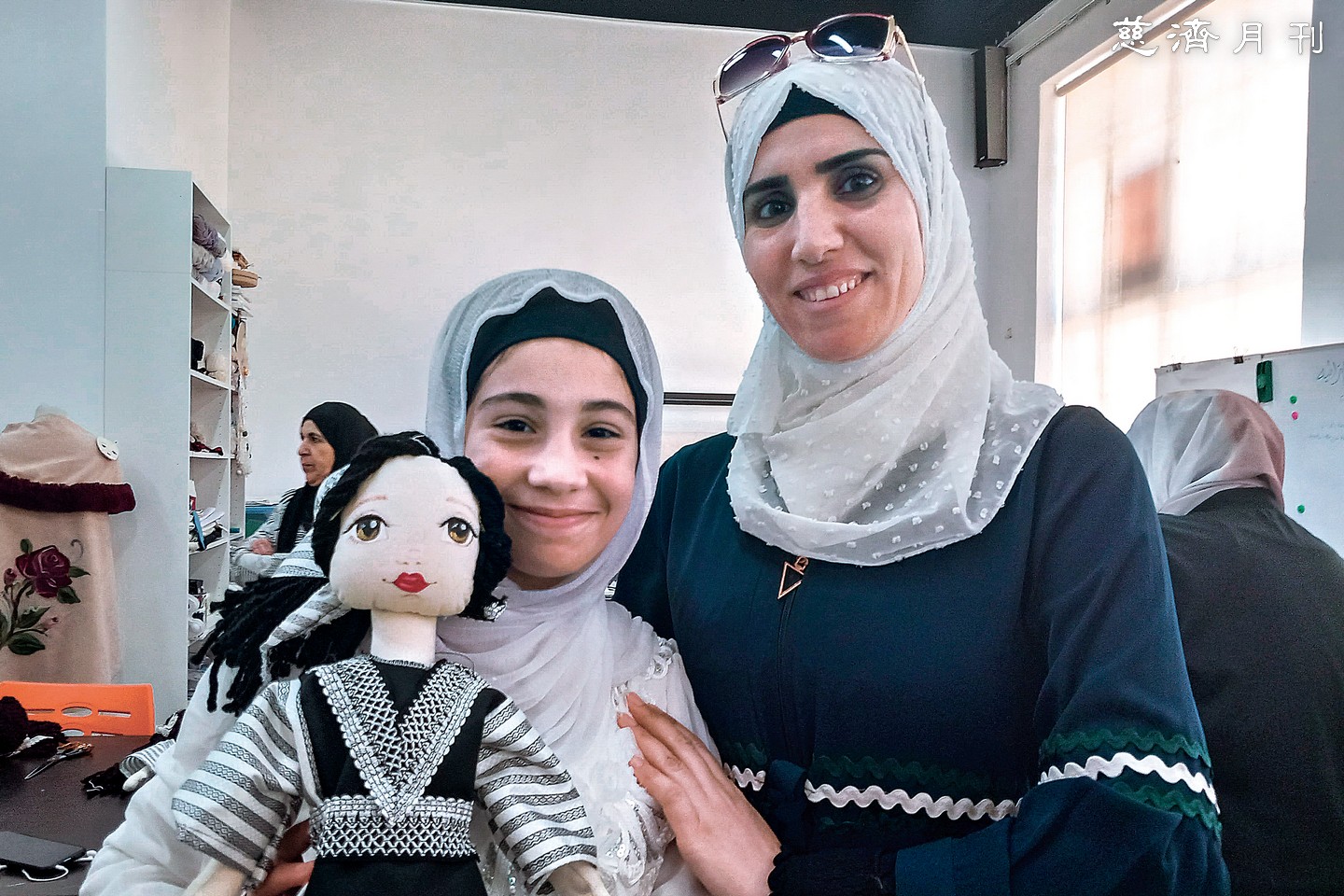
By 2017, the original benefactors of the house could no longer sustain the costs. They reached out to Chiou-Hwa Chen (陳秋華), the CEO of Tzu Chi Jordan. Tzu Chi officially took over the lease, not only covering the rent but also providing tuition assistance for the children, regular medical clinics, and vocational training for the mothers.
Sara embraced these opportunities, enrolling in nursing and vocational courses. She eventually became a volunteer herself, assisting at Tzu Chi’s medical outreach events.
Tzu Chi reached out to me when I was most helpless. Now that I have the chance, I can serve others. Even if I don't have money to donate, I have the ability to help those in suffering. This is my way of giving. — Sara

The long road to a permanent home
The Syrian war has not only destroyed buildings but also torn the very fabric of the traditional Arab family. With her parents deceased and her siblings scattered across the UK, Germany, and Canada, Sara’s arrival in New Zealand marks another chapter of displacement, even as it offers hope.
In 2022, the UN resettlement program helped about 5,000 refugees move to third countries. However, with over 1.3 million Syrian refugees currently in Jordan, the chance of resettlement is less than 0.4%. Mothers compete fiercely for these spots, knowing that staying in Jordan often means a life of "black market" labor and limited rights, even for those with university degrees.
The journey is daunting. Immigration laws are strict; once they leave Jordan, they often cannot return for five years until they secure a new passport. They face massive language and cultural barriers, yet they step forward bravely.
As volunteers, we witness these departures frequently. We remember a mother who moved to France in 2016 and returned years later to visit. She confessed she had cried for three months straight when she first arrived in Europe, missing the scent of Jordanian coffee and the familiar spices of home.
For these women, Jordan was a difficult transit point, but it was also where they found community. As they depart for distant shores, we can only offer our sincerest blessings, hoping they finally find a place where their hearts and bodies can rest in peace.
Written by Lamiya Lin (林綠卿)
