


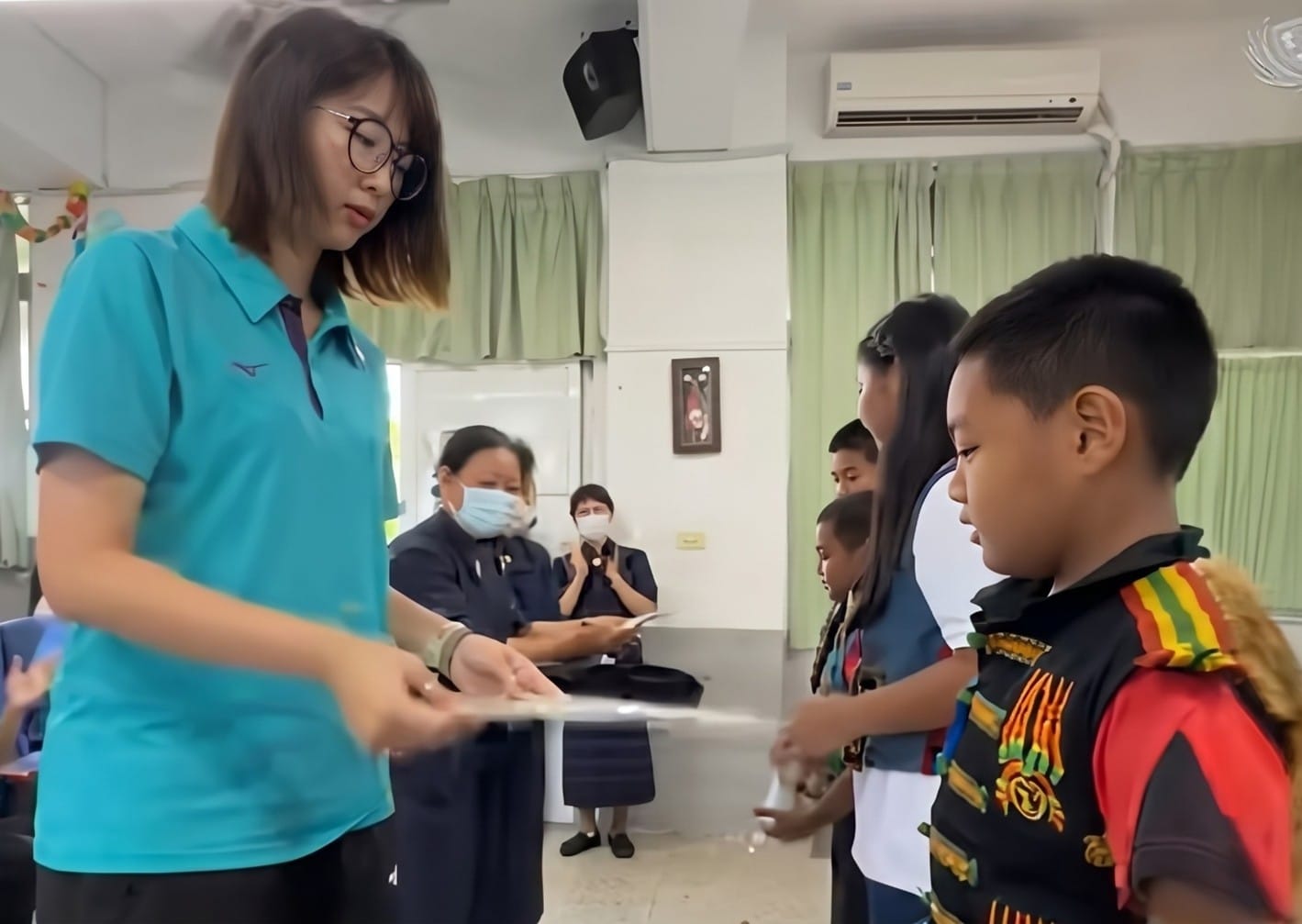
Tzu Chi's New Sprouts Scholarship is in its 20th year. Thirty-one award ceremonies are scheduled across Taiwan from October, and about 9,000 students are expected to receive grants. The first was held at Jiayi Elementary School in Majia Township, Pingtung County, where 35 students were honored.
Pens, an eraser, a ruler
One of them is a boy from Pingtung County who lives with his grandmother and has now won the scholarship two years running. Asked what he would do with the money, he smiled shyly.
I hope to use the scholarship to buy new pens, an eraser, and a ruler so that I can study well.
He plays volleyball and trains after class. For him the grant covers school supplies, and it is also a reason to keep working at both.
His grandmother said the money came at the right moment, when the family needed to buy things for school. She tells him often that help received should be met with harder effort, and that he should give back once he is able.
NT$700 million over 20 years
Yao has received the scholarship for several years and is now studying music at a national university. She wants to become a musician. While she was a student, an invitation to perform in South Korea gave her her first chance to go abroad; she paid for the airfare with the scholarship and with wages saved from a summer job, and gave her first performance overseas.
Her mother taught her and her siblings to give back as soon as they can. Each of them donates 10% of every scholarship they receive. She also looks forward to the ceremonies themselves, where volunteers greet returning students with the same warmth each year.
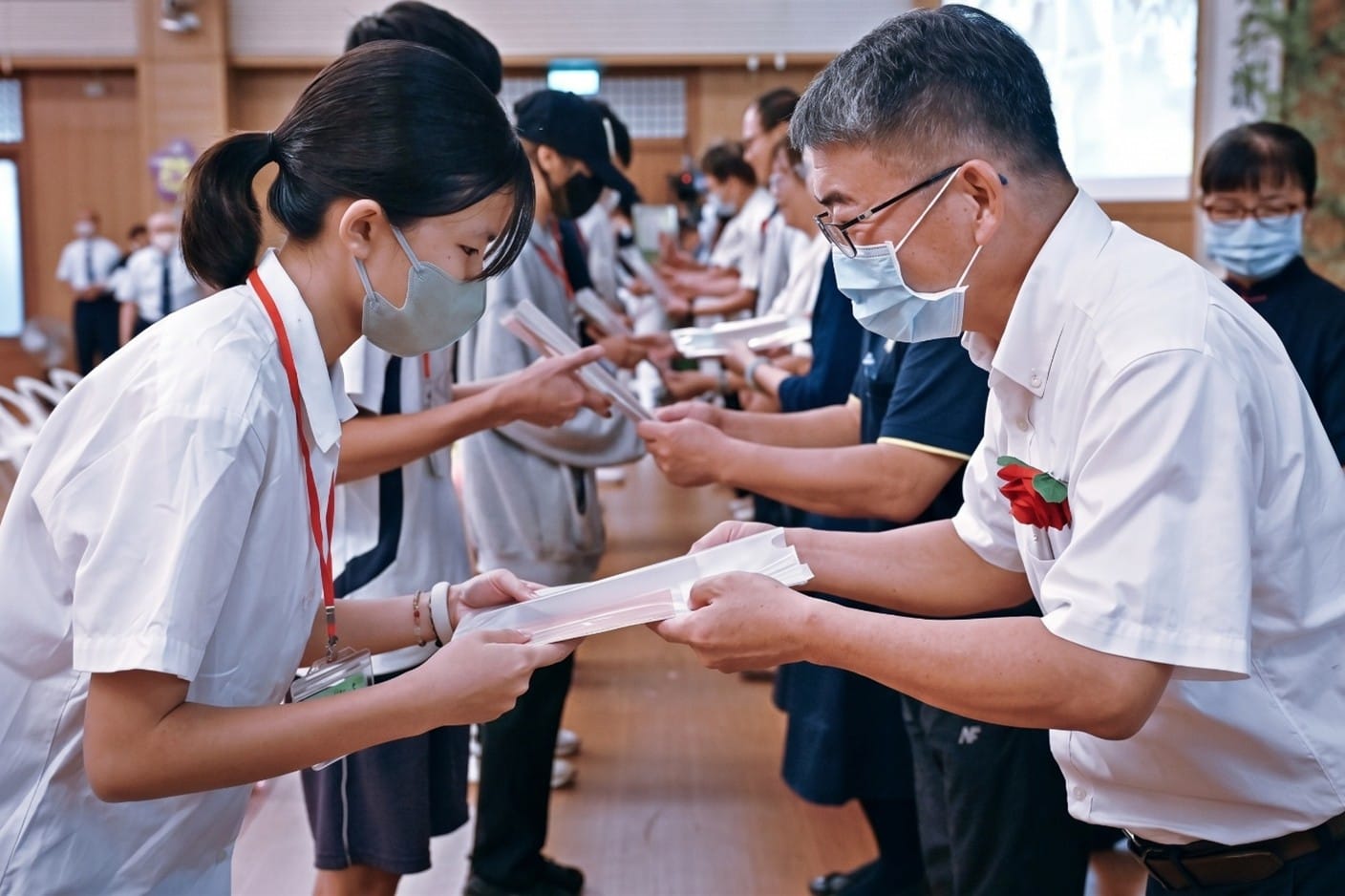
The scholarship is funded by public donations. In 20 years, it has helped 130,000 students and awarded nearly NT$700 million. Tzu Chi set it up in 2007, after volunteers visiting poor households kept meeting students who were doing well at school despite their families' finances.
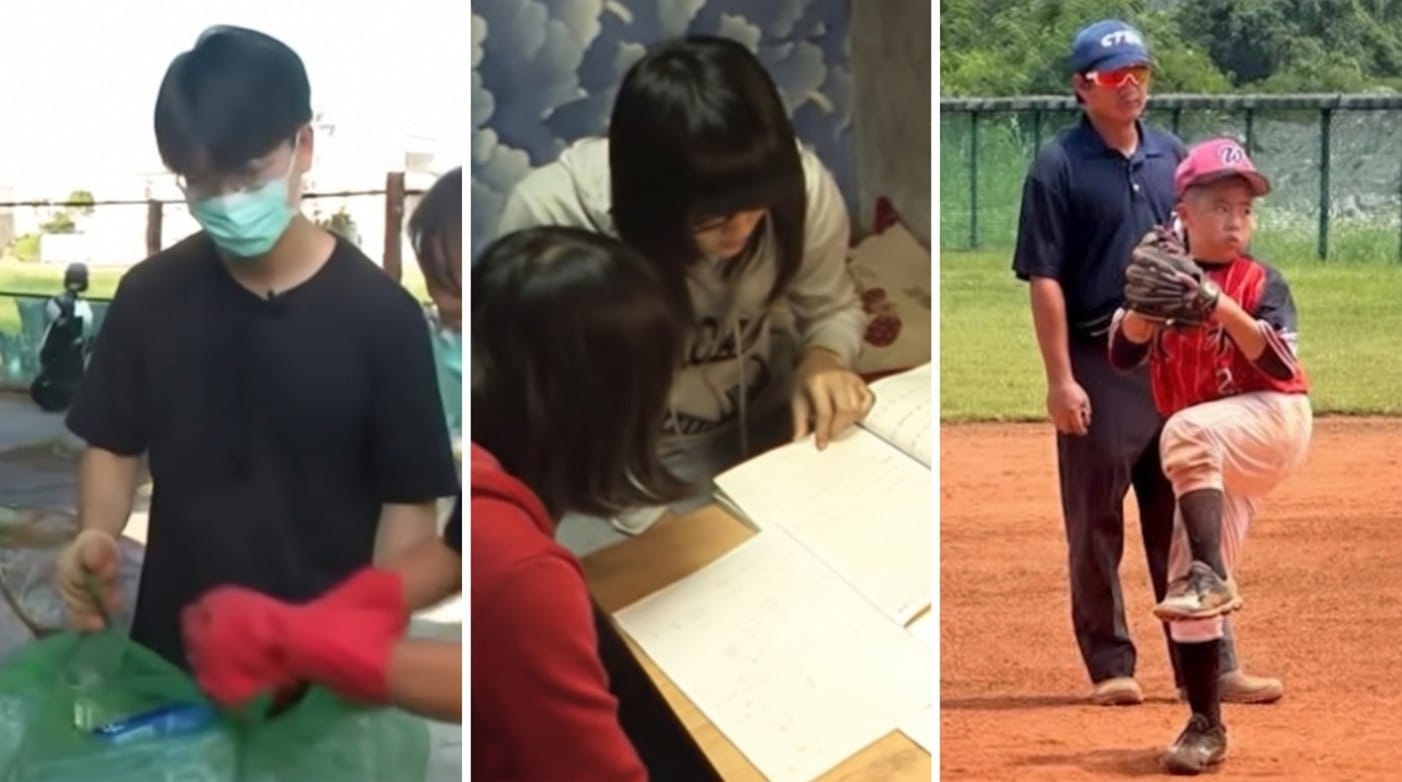
Recipients have ranged from elementary pupils to university students, among them doctoral candidates at top universities and indigenous children in mountain communities. Many former recipients now work as doctors, lawyers and engineers.
Some have become donors in turn, giving time, effort or money. The students who come after them are supported by people who once received the same help.
Written by Yi-Ting Wang (王藝婷)
