


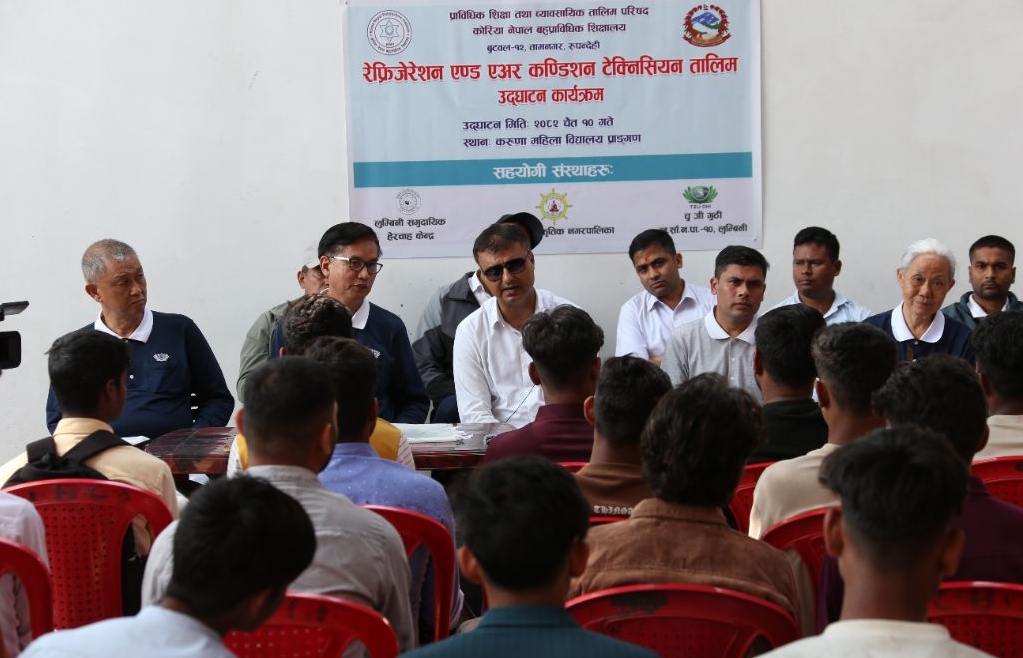
The young people of Lumbini, Nepal, often face a difficult paradox: they live in a rapidly developing area, yet many lack the specific skills needed for local employment. As the birthplace of the Buddha, Lumbini has seen an increase in tourism, spurring the growth of hotels and restaurants, which in turn has created a steady demand for equipment maintenance services. However, the local workforce struggles to meet this need due to limited vocational training opportunities. To help bridge this gap and provide youth with a clear path to stable employment, the Tzu Chi Foundation partnered with the Korea Nepal Polytechnic Institute (KNPI) to launch a 90-day Refrigeration and Air Conditioning Maintenance Training Course.
Opening doors in a place of significance
On March 24, 2026, the first cohort of students gathered for the opening ceremony at Karuna Girls College in Lumbini. The event was attended by twenty young participants, Tzu Chi volunteers, and KNPI representatives.
Er. Navin Kishor Gaihre, Principal of KNPI, expressed his enthusiasm for the collaboration. "In Lumbini, a place of profound historical and religious significance, we are very pleased to collaborate with the Tzu Chi Foundation to officially launch the Refrigeration and Air Conditioning Training Course," Navin said. He emphasized that technical skills alone are not enough for long-term success, offering the students crucial guidance on their journey.
Always remember that what truly allows a person to go far is never just technology, but 'attitude' and 'discipline.'— Er. Navin Kishor Gaihre, Principal of KNPI
The course is designed to provide participants with the basic competence needed to enter the workplace. KNPI supplies the instructors and teaching materials, ensuring a high standard of technical education.
Overcoming barriers to commitment
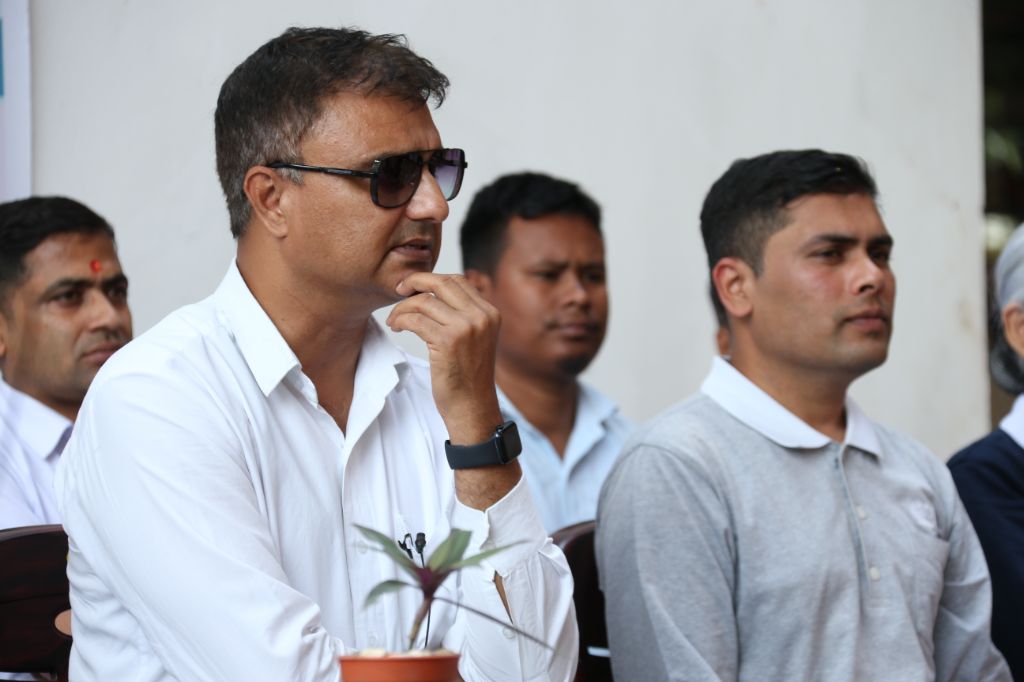
Preparing for the launch required persistent effort from the Tzu Chi team, led by volunteer Rakesh Tripathi. This 90-day training program marks a significant milestone that Tripathi was eager to see realized after several earlier attempts faced obstacles.
"In fact, this project is very challenging," Tripathi explained. "We need to visit and invite house by house, and also confirm that they can commit to fully participating in the ninety-day course." Recognizing that participants would be unable to work and earn income during the training period, Tzu Chi also arranged to provide meals and related support to help alleviate their financial burden. This support was critical in enabling the young students to commit to the full duration of the course without worrying about daily survival.
Instilling wisdom and direction
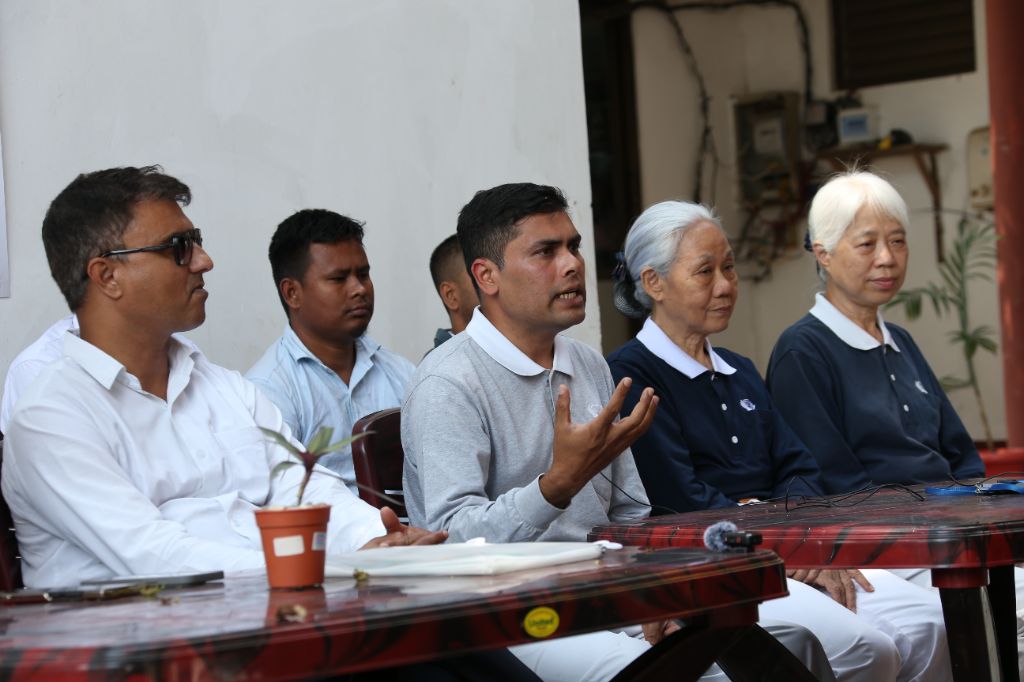
The curriculum extends beyond just technical instruction, deliberately incorporating humanistic culture and character-building elements. Tripathi noted that this emphasis is vital for the students’ holistic development. "We will also accompany them, letting them understand Master Cheng Yen’s spirit and Tzu Chi’s humanistic culture, helping them build good character. So they will not only learn technology but also gain wisdom and direction in life," he affirmed.
The vocational training course is the starting point for a broader collaborative effort between Tzu Chi and KNPI, formalized through a signed Memorandum of Cooperation. Sio Kee Hong (蘇祈逢), Deputy CEO of Tzu Chi Malaysia Kuala Lumpur/Selangor Branch, acknowledged the efforts of volunteer Wie Hock Kiong (黃福強) in facilitating the vital partnership between Tzu Chi and the institutions in Korea and Nepal.
Sio emphasized that the training aims to provide Lumbini's youth with practical skills. As these young people apply themselves to learning a trade, they are creating the potential for positive change for themselves and their families, cultivating the strength to move forward continuously. By supporting these young adults with skills, stability, and character development, the program is helping them turn a lack of opportunity into a future filled with possibilities.
Written by Shu-Chen Yuan (袁淑珍), Yu-Chen Pan (潘俞臻)
