


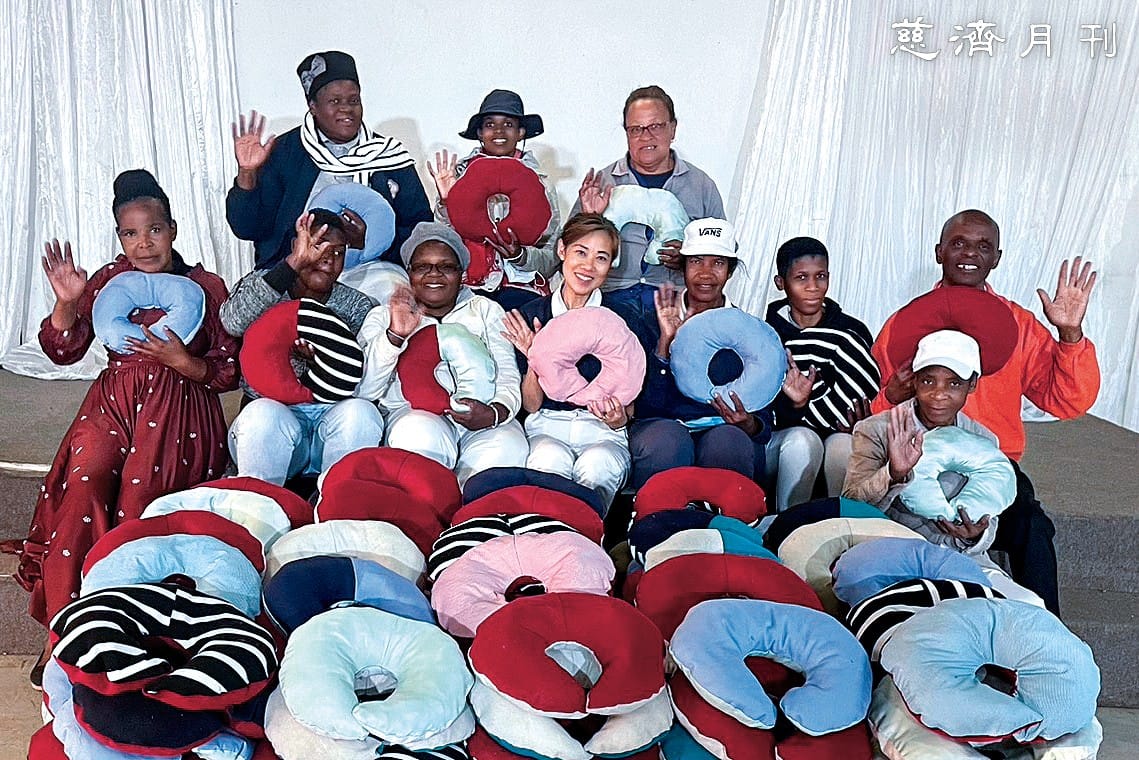
In the southern African kingdom of Eswatini, discarded fabric from garment factories is being transformed into thousands of heart-adorned pillows for hospital patients and people in need. Through vocational training, local women are developing practical skills and discovering new ways to contribute to their communities. Their work extends beyond the sewing workshop, reaching hospital wards and rural homes through volunteer visits and medical outreach. Together, they put into practice Ubuntu, a traditional southern African philosophy that means, "I am because we are."
Building skills through shared effort
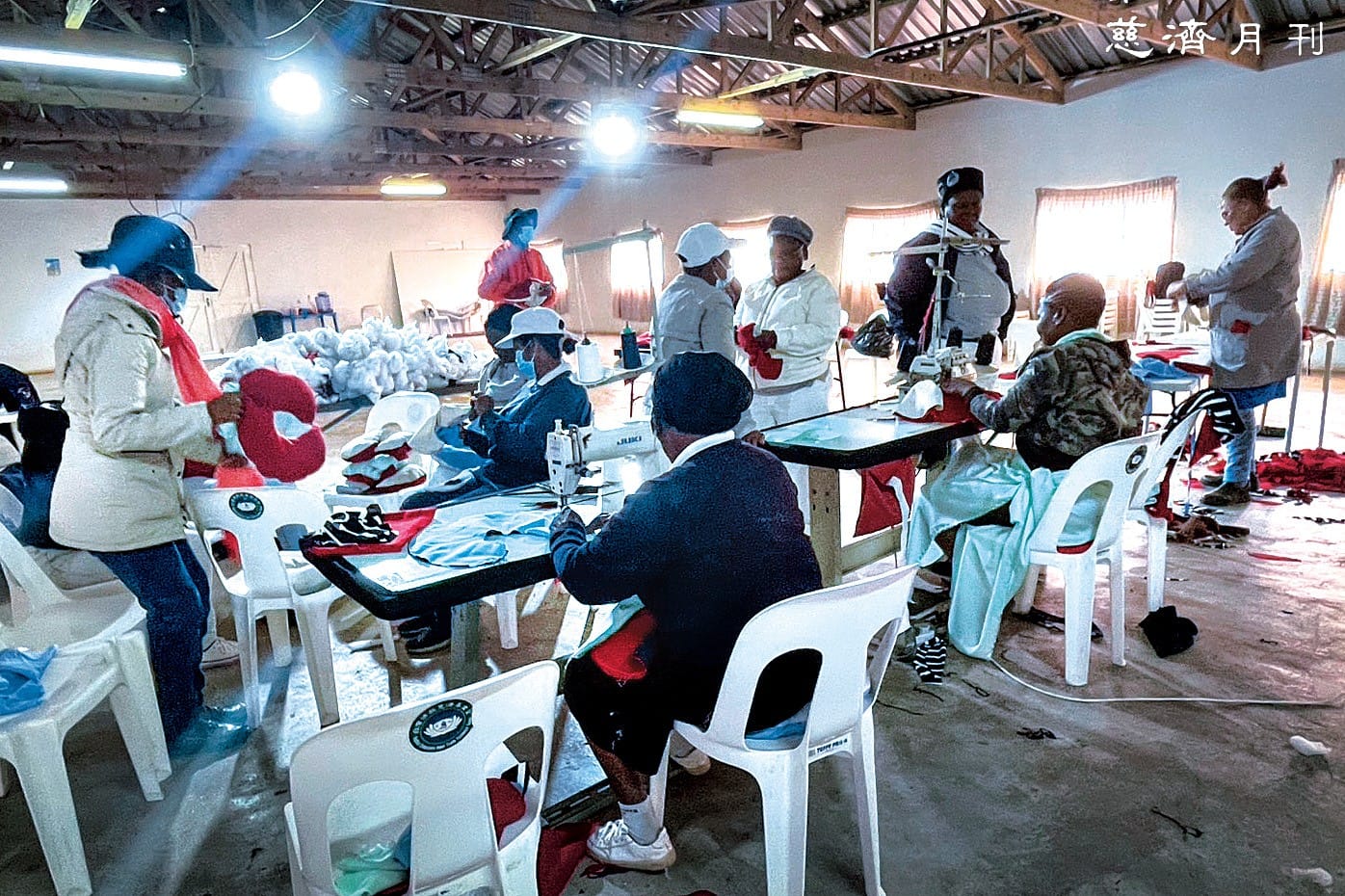
Every week, volunteer Elizabeth Matze boards a bus in Lavumisa, near the South African border, for the two-and-a-half-hour journey to Tzu Chi office in Eswatini. Although her husband did not agree to let her bring the larger sewing machine from home, she remains determined to participate in the vocational workshops. She earns money by selling vegetables at the market and taking on sewing jobs, saving enough for bus fare whenever she can.
I sell vegetables at the market and sew for others. When I have enough money for the bus fare, I come to Tzu Chi; when I don't, I keep earning. I want to come because I want to contribute my abilities. I hope to help others so that those who learn can also support themselves and, in turn, help others. That is the most important thing.— Elizabeth Matze, Tzu Chi Volunteer
At the workshop, Matze joins other women in turning discarded fabric into pillows. The materials come from Clockwork Giant Clothing, a garment factory where Tzu Chi volunteer Sharon Frazer (李后玉) regularly collects bags of fabric offcuts that would otherwise be thrown away. She packs her van with as much material as possible, filling the trunk, back seats, and even the passenger seat.
"If she didn't come to collect them, we would just throw them away," the factory foreman said. "Knowing these materials can be put to good use, we are happy to provide them to Tzu Chi for free."
To help the women improve their sewing skills and the quality of their products, 74-year-old Mei Lin (林玫), a retired Taiwan International Cooperation and Development Fund (TaiwanICDF) sewing instructor who has lived in Eswatini for 26 years, joined the workshops to teach pattern-making, cutting, and sewing techniques.
Some of them may never even have seen a pair of scissors before. What I can do is build on what they already know and teach them step by step, at a pace they can follow. — Mei Lin
The workshops also provide opportunities to learn other practical skills. Volunteer Sihlongonyane leads another group in making natural eucalyptus balm and petroleum jelly. After a medical examination at a Tzu Chi free clinic revealed abnormal cancer-related test results, Sihlongonyane began receiving treatment. Despite her own health challenges, she continues to contribute by carefully selecting ingredients and developing simple recipes that other women can learn and use.
Over the course of a year, the women produce approximately 6,000 pillows, each made with care for someone who may need comfort and encouragement.
Bringing comfort to hospital patients and rural families
During a cold, rainy period, the women brought more than 200 heart-adorned pillows to Raleigh Fitkin Memorial Hospital, the largest Manzini public hospital. Volunteers visited the women's, men's, surgical, and pediatric wards to distribute the handmade gifts to patients.
Your pillows bring love and care, and they also bring smiles to our patients. You may not realize how much meaning your work holds.— Raleigh Fitkin, Memorial Hospital CEO
The gifts were especially welcomed in the pediatric ward.
We are so happy! You can see from the children's faces how delighted they are to receive these gifts. Please visit us often!—Pediatric Ward Head Nurse
The pillows have become one of Tzu Chi's ways of bringing warmth to hospital patients. Yet the spirit of care extends far beyond the hospital walls.
Tzu Chi's work in Eswatini began in 2012, when senior volunteer Michael Pan (潘明水) traveled from Durban, South Africa, with local volunteers to visit people in need. Among those they encountered was Thandeka, a young woman who had been bedridden for three years and lived with her elderly grandmother, who had diabetes and had suffered a stroke. Their difficult circumstances moved the volunteers to provide ongoing assistance in Eswatini.
More than a decade later, Frazer and local volunteers continue this commitment through regular visits to people facing illness, disability, and poverty.
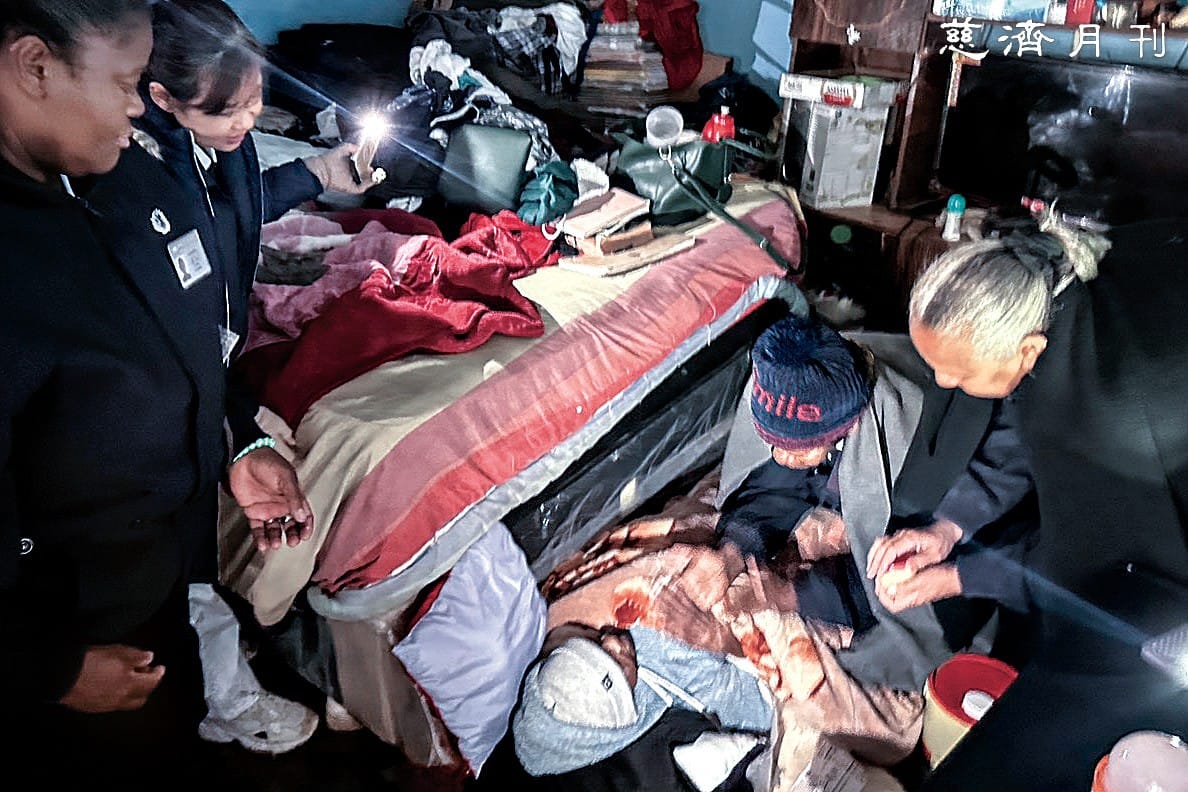
Like 14-year-old Billy, who lives with cerebral palsy and has difficulty moving and speaking. To get to his home meant walking along muddy, slippery paths after days of heavy rain. When Frazer playfully asked whether he supported the Orlando Pirates football team, Billy struggled to raise his upper body and broke into a wide grin. Asked whether he liked their rivals, Kaizer Chiefs, he immediately shook his head, making everyone laugh.
These visits reflect a commitment that has continued from one generation of volunteers to another: bringing companionship and practical care to people who might otherwise be left without support.
Addressing malnutrition through community healthcare
In Eswatini, limited access to healthcare and unstable food supplies contribute to widespread malnutrition. During one home visit, Frazer encountered a one-year-old child who could not yet sit, crawl, or speak. Further inquiries revealed that the family had little food to provide. The child's developmental delays were linked to malnutrition, a problem that affects both children and adults in the country.
Occupational therapy and aviation medicine specialist Lourens noted that, alongside chronic conditions such as high blood pressure, diabetes, and obesity, malnutrition remains a significant health concern.
The causes are closely connected to everyday living conditions. Poverty makes it difficult for families to afford nutritious and varied food, while medical facilities are concentrated in more developed areas, leaving rural residents with limited access to timely treatment. Drought and insufficient rainfall further affect agricultural production and food availability.
Recognizing that medical treatment alone cannot address these challenges, Tzu Chi has expanded its outreach to include nutritional support, home visits, and community-based food production.
In 2024, Tzu Chi began developing its local Tzu Chi International Medical Association (TIMA) team and conducting mobile free clinics. Over the two years, the team held 22 clinics and served more than 7,000 patients. Medical professionals, including anesthesiologist Kabuye, volunteer their time despite their regular work commitments. Some clinics run into the evening, with volunteers using flashlights to illuminate examination areas so they can attend to everyone waiting for care.
When medical teams identify patients suffering from malnutrition, volunteers follow up with home visits and provide nutritional supplements such as multigrain powder. To make it easier for older residents to consume, doctors have found ways to mix the powder into traditional corn porridge or use it in coconut and banana cookies and puddings.
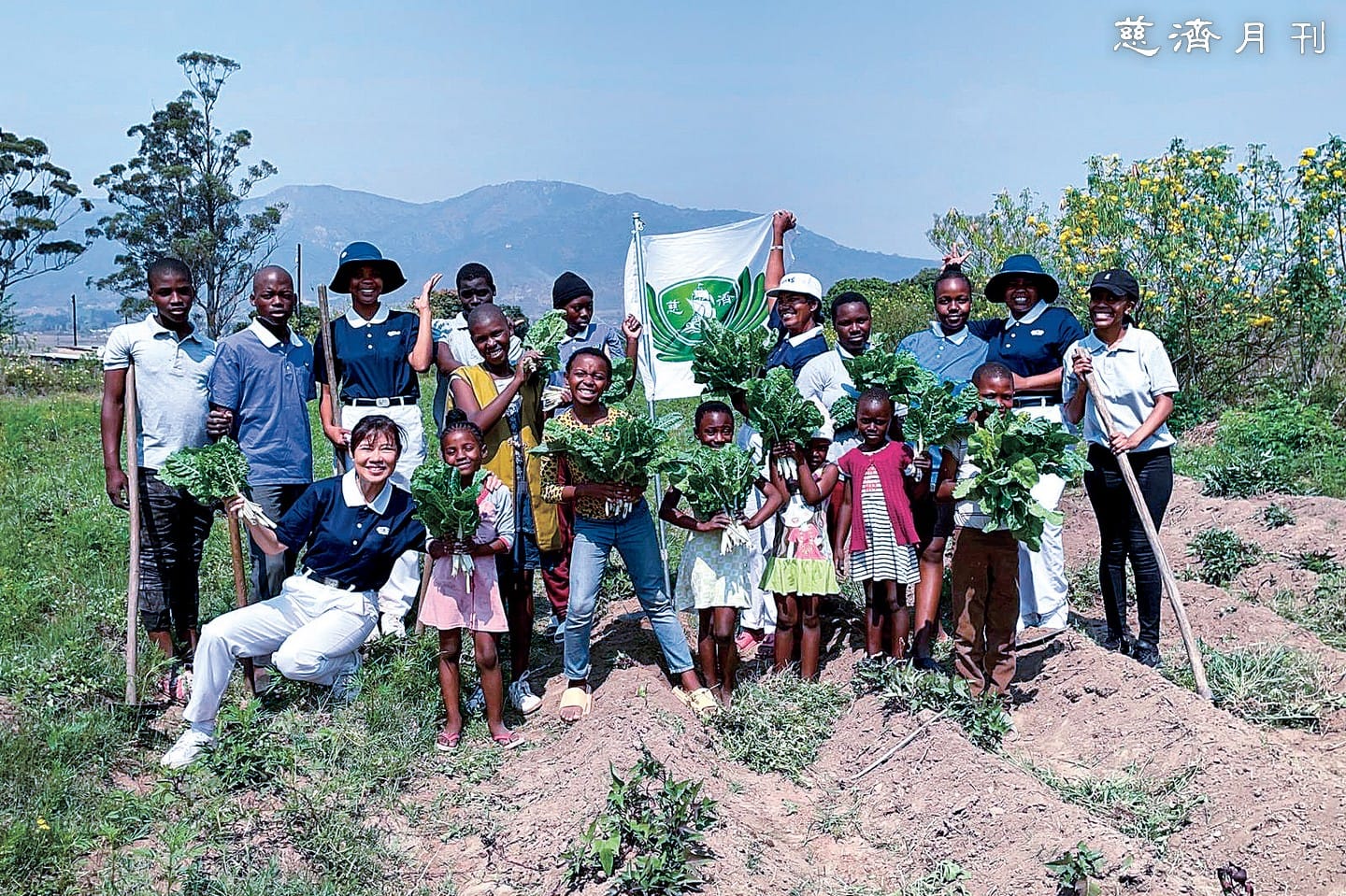
Tzu Chi also works to strengthen families' ability to grow their own food. Three farms have been established to cultivate vegetable seedlings, which volunteers bring to households and use to teach residents how to grow vegetables. In addition, meals provided at community centers help feed approximately 2,500 young children.
For nutritionist Zwane, witnessing this integrated approach has broadened her understanding of healthcare. She saw how medical treatment, nutritional support, and home visits can work together to address the circumstances behind illness, rather than focusing solely on symptoms.
In September 2026, Zwane joined four Eswatini medical professionals in traveling to Taiwan for the annual TIMA convention. Meeting healthcare workers and volunteers from different countries gave the Eswatini team new ideas for expanding services into more remote communities, following up with patients after clinics, and strengthening preventive healthcare.
Reflecting on what she learned, Zwane shared a message she hopes to bring home: "Even if we do not have much, there is still so much love we can give. Although life is difficult, our hearts can be big."
From sewing discarded fabric into pillows to caring for patients in hospital wards and remote villages, the women and volunteers of Eswatini demonstrate how practical skills and mutual support can make a difference in people's lives. Guided by Ubuntu, they continue to turn what they have into something they can share with others.
Written by Felicia Hsu (許斐莉)
